DENPASAR, Bali – Members of the Bali Regional People’s Representative Council (DPRD Bali) are spearheading an initiative to revise the Regional Regulation (Perda) concerning Subak, Bali’s revered traditional agricultural organization. This legislative push is driven by a profound concern over the escalating rate of agricultural land conversion across the island, which poses a significant threat to food security, cultural heritage, and the very identity of Bali. The proposed revision aims to provide a more robust legal framework and substantially increase the financial assistance allocated to Subak, ensuring its sustainability and vital role in the island’s ecosystem.
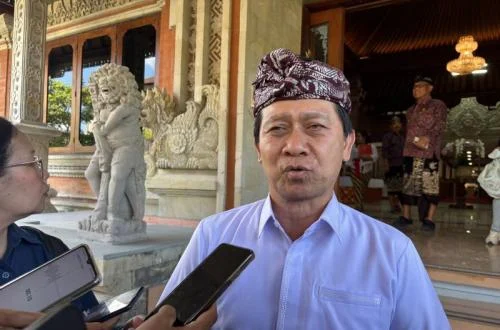
I Nyoman Suwirta, Chairman of Commission IV DPRD Bali, confirmed the legislative body’s commitment to this critical endeavor. Speaking in Denpasar on Saturday, Suwirta articulated the immediate plan: "We will commence discussions on the amendment of the Subak regional regulation. Following that, we will propose an increase in financial aid within the 2027 Regional Budget (APBD) to ensure Subak receives the support it urgently needs." This proactive stance by the DPRD underscores a growing recognition that the current mechanisms are insufficient to counter the pervasive challenges faced by Bali’s traditional farming communities. The urgency of this revision is amplified by the increasingly widespread phenomenon of land conversion, which threatens to irreversibly alter Bali’s iconic landscape and agricultural heartland. Lawmakers argue that the government’s attention to Subak’s continuity has not yet matched its strategic importance as a pillar of food resilience and an invaluable cultural tourism icon.
Subak: Bali’s Enduring Legacy and UNESCO Heritage
To understand the gravity of the current situation, one must first appreciate the profound significance of Subak. More than just an irrigation system, Subak is a unique, democratic, and self-governing water management institution that has been practiced by Balinese farmers for over a thousand years. Rooted in the philosophy of Tri Hita Karana – the harmonious relationship between humans, nature, and the divine – Subak embodies a sophisticated socio-religious system where water resources are managed collectively and equitably. Its intricate network of canals, weirs, and temples reflects a deep respect for natural cycles and a communal spirit that transcends individual land ownership.
In recognition of its outstanding universal value, UNESCO inscribed Subak as a World Heritage cultural landscape in 2012. This designation highlighted Subak not merely as an engineering marvel but as a living testament to human ingenuity in adapting to the environment while preserving spiritual and cultural values. The terraced rice fields, sculpted into the volcanic landscapes of Bali, are not just productive agricultural zones but also sacred spaces, integral to Balinese spiritual practices and daily life. Historically, Subak has been the bedrock of Bali’s agrarian economy, providing sustenance for its population and shaping its distinctive cultural identity. Its continued existence is crucial not only for food production but also for maintaining the island’s unique aesthetic and spiritual character, which forms the core of its global appeal.
The Alarming Trend of Agricultural Land Conversion
Despite its immense cultural and economic importance, Subak faces an existential threat from the relentless pace of agricultural land conversion. Data released by the National Land Agency (BPN) for Bali Province paints a stark picture of this alarming trend. Between 2019 and 2024, Bali witnessed a significant reduction of 6,521.81 hectares of rice fields. From a total of 70,995.87 hectares in 2019, the area dedicated to rice cultivation dwindled to 64,474 hectares by 2024, representing a substantial decline of approximately 9.19 percent over just five years. This translates to an average annual reduction of about 1.53 percent, a rate deemed unsustainable by experts and policymakers alike.
If this trajectory remains unchecked, the island’s rice fields will continue to diminish rapidly in the coming decades, potentially leading to irreversible consequences. The primary drivers behind this mass conversion are multifaceted, stemming largely from Bali’s explosive tourism growth and subsequent urbanization. Agricultural land, particularly in strategic locations, is frequently acquired for the development of hotels, luxury villas, resorts, commercial establishments, and supporting infrastructure. The lure of substantially higher profits from land sales compared to the modest and often unpredictable income from farming makes it an increasingly difficult choice for landowners to resist. Speculation in the real estate market further exacerbates the problem, pushing land prices beyond the reach of local farmers or agricultural ventures.
Recognizing this critical issue, the Provincial Government of Bali had previously issued Instruksi Gubernur Bali Nomor 5 Tahun 2025 (Governor’s Instruction No. 5 of 2025), which explicitly prohibits the conversion of agricultural land. This instruction was intended as a proactive measure to safeguard the continuity of food-producing areas and preserve productive land across Bali. However, the BPN data clearly indicates that despite such policy pronouncements, the enforcement and effectiveness of these measures have been limited, failing to stem the tide of conversion. The ongoing loss highlights the need for a more robust and enforceable legal framework, coupled with stronger economic incentives for farmers, which the proposed Perda revision aims to address.
Inadequate Support: The Financial Strain on Subak
A critical component of the DPRD’s argument for revising the Subak Perda is the perceived inadequacy of financial support currently extended to these vital organizations. According to Pergub Bali Nomor 61 Tahun 2025 (Bali Governor Regulation No. 61 of 2025) concerning the Elaboration of the Semesta Berencana Provincial Budget for the Fiscal Year 2026, each Subak unit is slated to receive a Special Financial Assistance (BKK) of merely Rp15 million. With 2,883 active Subak units remaining across Bali, this allocation is considered woefully insufficient to cover their operational costs, maintenance of intricate irrigation systems, and the myriad challenges faced by farmers.
This current allocation represents a significant decline from previous years, illustrating a volatile and often insufficient commitment to Subak. In 2024, the BKK for Subak reached Rp50 million per unit, a figure that was then dramatically cut to Rp25 million, and at one point even dipped as low as Rp10 million, before seeing a modest increase to Rp15 million for 2026. This fluctuating and generally downward trend stands in stark contrast to the financial support provided to other traditional institutions. For instance, the BKK for Desa Adat (traditional villages) has seen a substantial increase, rising from Rp250 million to an impressive Rp300 million per year. The DPRD argues that this disparity sends a contradictory message, undermining the strategic importance of Subak as the backbone of Bali’s food security and a fundamental element of its cultural tourism appeal.
Farmers and Subak administrators consistently highlight that the current Rp15 million BKK is barely enough to cover basic administrative costs, let alone significant repairs to irrigation infrastructure, procurement of shared farming equipment, or initiatives to improve crop yields. Many Subak organizations struggle to maintain their canals and dams, leading to inefficient water distribution and increased vulnerability to droughts or floods. Without adequate financial backing, the volunteer spirit that underpins Subak’s communal governance becomes increasingly difficult to sustain, as members are forced to shoulder increasing burdens with diminishing returns.
Broader Challenges Faced by Farmers and Subak
Beyond the direct issue of land conversion and insufficient financial aid, Balinese farmers and Subak organizations grapple with a multitude of interconnected challenges that threaten their livelihoods and the sustainability of traditional agriculture. These issues paint a comprehensive picture of the economic precarity faced by those who maintain Bali’s iconic rice fields:
- Input Costs: The rising prices of essential agricultural inputs, including high-quality seeds, chemical fertilizers, and pesticides, significantly erode farmers’ profit margins. Small-scale farmers often lack the capital to invest in modern, more efficient farming techniques or organic alternatives, perpetuating a cycle of low productivity and high costs.
- Water Management: While Subak is renowned for its sophisticated water management, increasing demand from other sectors (tourism, urban consumption) and the unpredictable effects of climate change (droughts, erratic rainfall) place immense pressure on water availability. Maintaining the intricate irrigation infrastructure, which often spans many kilometers, requires constant effort and resources, especially as extreme weather events become more frequent.
- Pest and Disease Control: Rice paddies are perpetually vulnerable to various pests and diseases, such as brown planthoppers, rice blast, and rat infestations. Effective control measures require consistent monitoring, timely intervention, and often costly solutions, which can be a significant burden for individual farmers.
- Market Access and Prices: Farmers often face an uphill battle in the marketplace. Unstable commodity prices, a lack of direct access to consumers, and the dominance of middlemen mean that the prices received by farmers are often disproportionately low compared to retail prices. Furthermore, competition from cheaper imported rice and other agricultural products can depress local market values, making farming an economically unattractive venture.
- Labor Shortages: A growing concern is the dwindling number of young Balinese willing to pursue farming as a livelihood. Lured by more stable and higher-paying jobs in the tourism sector or urban areas, younger generations are increasingly abandoning traditional agriculture, leading to an aging farming population and a shortage of skilled labor to work the fields.
- Infrastructure Deterioration: Beyond the irrigation system, other agricultural infrastructure, such as farm roads, storage facilities, and processing units, often suffer from a lack of investment and maintenance. This hinders efficiency, increases post-harvest losses, and limits farmers’ ability to add value to their products.
The Proposed Perda Revision: A Path Forward
The DPRD Bali views the proposed revision of the Subak Perda as a critical intervention to address these multifaceted challenges. The objectives of this legislative overhaul are ambitious and comprehensive:
- Stronger Legal Protection for Agricultural Land: The revised Perda aims to establish more stringent and enforceable regulations against agricultural land conversion. This could involve stricter zoning laws, higher penalties for violations, and potentially mechanisms to legally designate and protect specific Subak areas as permanent agricultural zones, similar to "green belts" in other countries.
- Mandated Increased and Stable Funding: A primary goal is to codify a significant and stable increase in the BKK for Subak. By embedding a minimum funding threshold or a clear formula for allocation within the Perda, future fluctuations could be minimized, providing Subak with predictable resources for planning and operations. This might involve tying Subak funding to a certain percentage of the provincial budget or linking it to the area of rice fields maintained.
- Incentives for Farmers: The revised regulation could introduce a range of incentives to encourage farmers to retain their land and continue farming. These might include direct subsidies for sustainable farming practices, tax breaks for agricultural land, support for organic farming certification, or programs to assist with input costs.
- Strengthening Subak’s Governance and Capacity: The Perda could empower Subak organizations by providing resources for capacity building, training in modern agricultural techniques, financial management, and access to technology. It might also clarify their legal status and roles within the provincial governance structure.
- Integration with Sustainable Tourism: The revision could explicitly link Subak preservation with Bali’s sustainable tourism strategy. This might involve supporting agritourism initiatives within Subak areas, promoting direct sales of local produce to hotels and restaurants, or creating programs where tourists can learn about and contribute to Subak activities.
The legislative process for this revision will involve several stages, including initial discussions within relevant commissions like Commission IV, the drafting of preliminary texts, extensive public consultations with Subak members, farmers’ groups, environmental organizations, and other stakeholders, inter-commission reviews, and finally, plenary sessions for approval. The expected outcomes are a more robust legal framework that provides stronger protection for Bali’s agricultural heritage, a significant and consistent increase in financial support for Subak, and better coordination between various government bodies and the Subak organizations themselves.
Implications: Food Security, Cultural Heritage, and Sustainable Tourism
The implications of either preserving or losing Subak extend far beyond the agricultural sector, touching upon the very core of Bali’s identity and future sustainability.
- Food Security: The most immediate and tangible impact of shrinking rice fields is on Bali’s food security. As local production declines, the island becomes increasingly reliant on food imports, making it vulnerable to global price fluctuations, supply chain disruptions, and food inflation. This undermines Bali’s self-sufficiency and economic resilience, particularly for its growing population and large tourist influx.
- Cultural Heritage: The disappearance of Subak would mean the erosion of a unique cultural landscape and the loss of traditional practices that have defined Balinese society for centuries. The UNESCO World Heritage status, bestowed upon Subak for its cultural and natural significance, would be jeopardized, stripping Bali of a globally recognized cultural asset. The intricate spiritual connections between the Balinese people, their land, and water would be severed, leading to an irreparable loss of intangible heritage.
- Tourism: Bali’s iconic rice terraces are not merely backdrops but fundamental elements of its global appeal. Tourists flock to witness the breathtaking beauty of the verdant paddies and experience the unique cultural practices associated with them. Their widespread conversion into concrete structures would diminish Bali’s distinctive charm, transforming it into a generic resort destination and eroding the very ‘soul’ that attracts millions of visitors annually. This would ultimately jeopardize the long-term sustainability of the tourism sector itself.
- Socio-Economic Impact: For rural communities, the loss of agricultural land translates into the dispossession of farmers, the loss of traditional livelihoods, and increased economic hardship. This can lead to social displacement, increased urbanization pressures, and a breakdown of community structures that have historically revolved around Subak.
- Environmental Impact: Beyond cultural and economic concerns, the conversion of rice fields has significant environmental repercussions. Rice paddies act as natural water reservoirs, regulating groundwater levels and preventing floods. Their conversion disrupts natural water cycles, reduces biodiversity, and increases surface runoff, contributing to erosion and pollution.
Reactions and Stakeholder Perspectives
While the DPRD’s initiative is a legislative one, its success hinges on broad stakeholder engagement and consensus. Various groups are likely to react to and influence the revision process:
- Farmers’ Cooperatives and Subak Associations: These groups would undoubtedly welcome increased funding and stronger legal protections. However, they would likely emphasize the need for consistent, predictable support that directly benefits farmers, addresses input costs, and ensures fair market prices for their produce. They might advocate for greater involvement in policy implementation and decision-making.
- Environmental Groups and Cultural Preservationists: These organizations would champion strict enforcement of land-use regulations, ecological farming practices, and initiatives that protect biodiversity and water resources. They would also advocate for the preservation of Subak’s spiritual and cultural dimensions, potentially pushing for educational programs and community-based conservation efforts.
- Tourism Industry Representatives: Many progressive elements within the tourism sector would support Subak preservation, recognizing that the unique landscape and cultural experiences are integral to Bali’s brand. They might advocate for policies that integrate agritourism and cultural tourism, creating symbiotic relationships between farmers and the hospitality industry. However, some developers might resist stricter land-use rules that limit their expansion opportunities.
- Academics and Experts: Scholars in fields like sustainable agriculture, land-use planning, environmental economics, and cultural anthropology could offer invaluable insights. They might propose innovative models for land valuation that incorporate ecosystem services provided by Subak, or suggest best practices for balancing development with conservation, drawing lessons from other regions facing similar challenges.
- Provincial Government (Executive Branch): The executive arm would be tasked with the challenging balancing act of promoting economic development while fulfilling conservation mandates. They would need to carefully consider the fiscal implications of increased Subak funding and ensure robust enforcement mechanisms for the revised Perda. Collaboration with the DPRD and other stakeholders would be crucial for effective implementation.
Conclusion: A Critical Juncture for Bali’s Future
The DPRD Bali’s drive to revise the Subak Perda marks a critical juncture for the island. It is an acknowledgment that Bali stands at a crossroads, where the relentless pressures of development threaten to obliterate its unique agricultural heritage and, by extension, its cultural soul. The alarming rate of rice field shrinkage, coupled with the insufficient support for Subak, underscores the urgency of this legislative initiative.
Preserving Subak is not merely an agricultural issue; it is a holistic challenge encompassing food security, cultural identity, environmental sustainability, and the long-term viability of Bali’s tourism-dependent economy. The proposed revision, with its aims of strengthening legal protection, increasing financial aid, and empowering Subak, represents a vital step towards safeguarding Bali’s distinctive character. It demands concerted efforts from lawmakers, government agencies, local communities, farmers, and even the private sector. By ensuring the continued vitality of Subak, Bali can protect its spiritual heart, maintain its iconic landscapes, secure its food future, and sustain the very essence that has captivated the world for generations to come. The success of this endeavor will determine whether Bali can truly achieve a sustainable future that honors its past while embracing responsible progress.