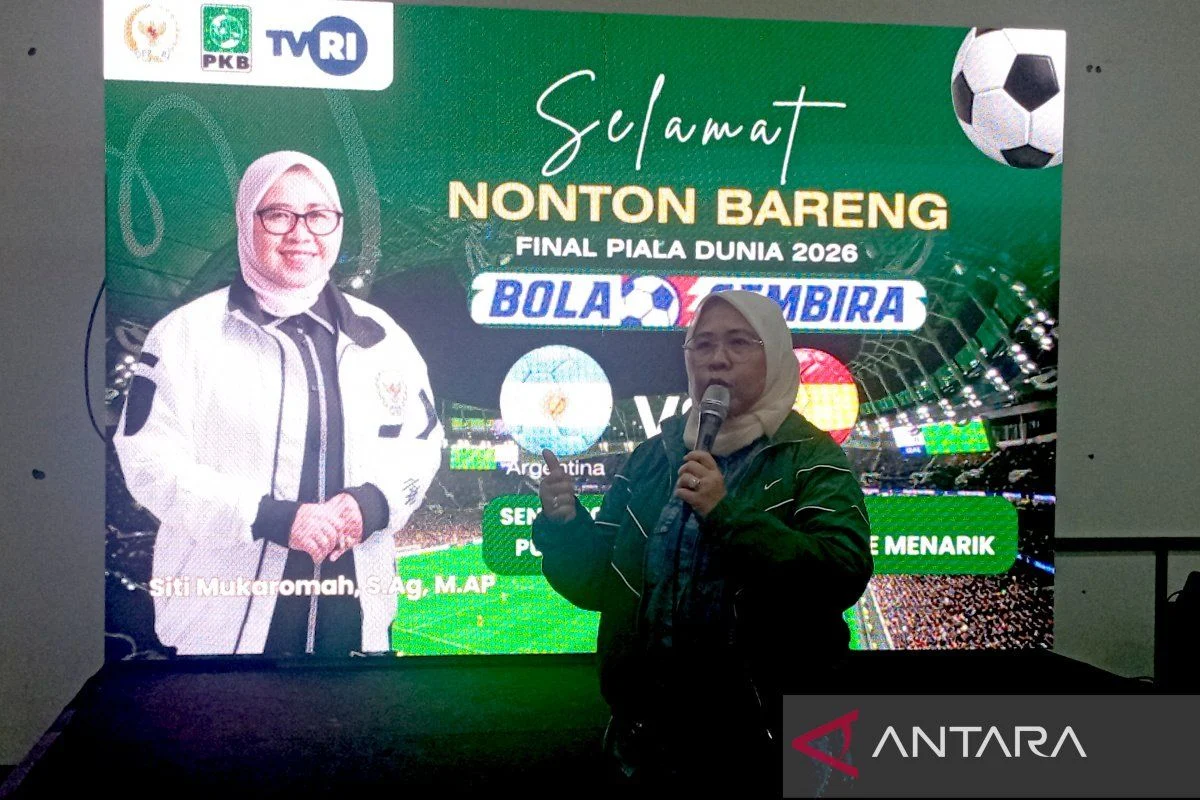
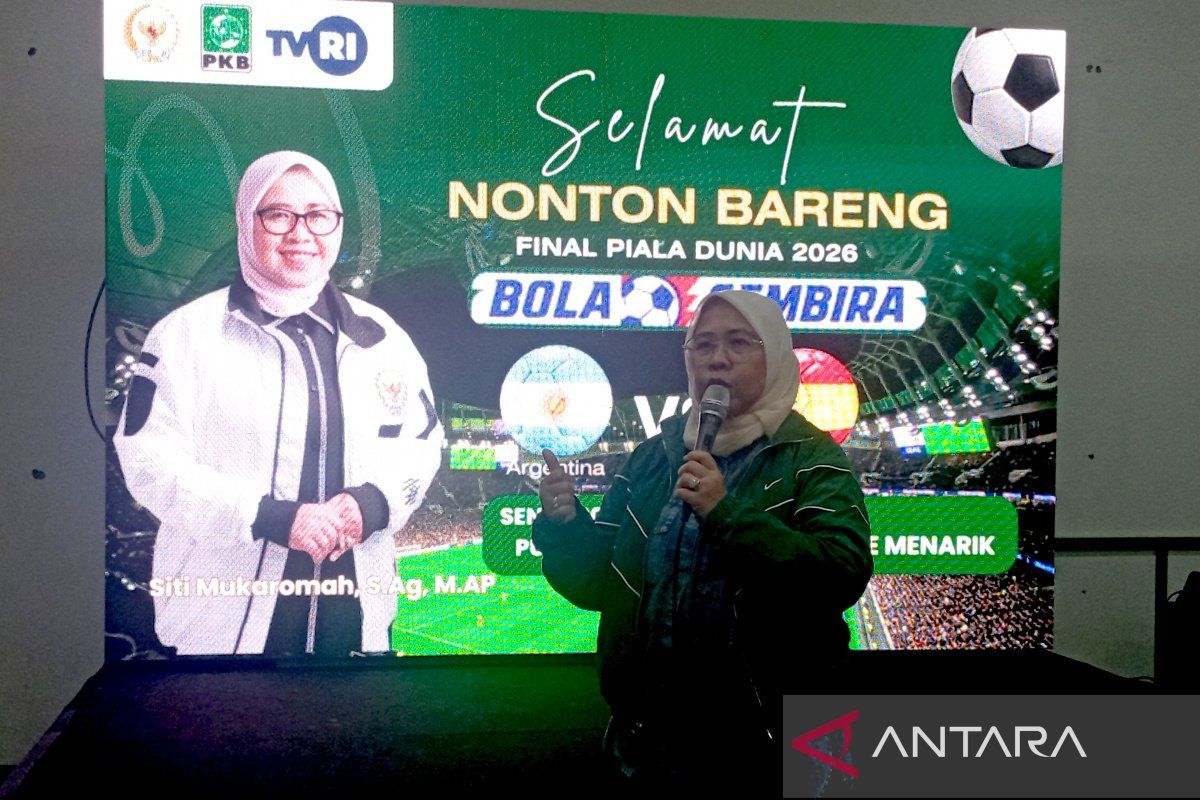
The early hours of Monday, July 20, 2026, witnessed an electrifying atmosphere across Banyumas and Cilacap Regencies, Central Java, as thousands gathered for a series of public viewing events for the FIFA World Cup 2026 Final. Spearheaded by Siti Mukaromah, a distinguished Member of Commission VII of the House of Representatives (DPR RI), the initiative, aptly named "Bola Gembira" (Joyful Football), transcended mere entertainment, serving as a powerful platform to cultivate sportsmanship, strengthen community bonds, and provide a significant economic uplift to local Micro, Small, and Medium Enterprises (UMKM). With the highly anticipated match between Spain and Argentina captivating audiences globally, the strategic dissemination of twelve viewing points throughout various electoral districts ensured broad public access, transforming the final showdown into a vibrant communal celebration. The event, held in collaboration with national public broadcaster TVRI, alongside support from Radio Republik Indonesia (RRI) and state news agency Perum LKBN ANTARA as publication partners, exemplified a concerted effort to leverage a global sporting spectacle for tangible local benefits.
The "Bola Gembira" Initiative: A Dual Purpose for Community and Economy
Siti Mukaromah, affectionately known as Erma, articulated the core philosophy behind the "Bola Gembira" program during her remarks at the Ajibarang viewing site in Banyumas. Her vision extended beyond the immediate thrill of the football match, aiming to embed deeper societal values. "Through a joint program with TVRI, we initially established three key locations, which were then expanded by our team to include an additional nine points, bringing the total to twelve venues," she explained. This extensive geographical spread was meticulously planned to maximize community engagement, ensuring that residents across a wider demographic and geographical area could partake in the excitement, fostering a sense of shared experience and unity. The decision to host the events in Banyumas and Cilacap, her electoral constituency, underscored a commitment to directly engage with and benefit the communities she represents, transforming a global event into a hyper-local opportunity for connection and development.
The initiative’s dual objective was clear: to promote the spirit of sportivity inherent in football and to stimulate the local economy. In a nation where football holds an almost revered status, the World Cup serves as a powerful unifying force, transcending social, economic, and regional divides. By strategically integrating UMKM into every viewing location, from traditional angkringan (street food stalls) and mi ayam (chicken noodle vendors) to wedang ronde (ginger drink sellers) and creative economy performers providing entertainment, the program was designed to create immediate and measurable economic benefits. This approach recognized the critical role UMKM play in Indonesia’s economic landscape, contributing over 60% to the national Gross Domestic Product and employing a significant portion of the workforce. By drawing large crowds, the public viewing events created a captive market, allowing these small businesses to significantly boost their sales and incomes, providing a much-needed injection of capital into the local economy.
Uniting Communities Through Football: The Social Dimension
The universal appeal of football served as the perfect catalyst for fostering social cohesion. Mukaromah observed the remarkable enthusiasm from attendees, noting that the crowds were not solely dominated by men but comprised a diverse spectrum of society, including women and individuals of all ages. "Football acts as a unifier for society, without distinguishing between men and women. It is this spirit of togetherness and sportivity that we aim to continuously cultivate through activities like this," she emphasized. This observation highlights a fundamental aspect of major sporting events in Indonesia: their capacity to momentarily dissolve societal distinctions and unite people under a common banner of national pride and shared passion.
The "Bola Gembira" events provided a vibrant communal space where families, friends, and neighbors could gather, share laughter, cheer for their favorite teams, and forge new connections. The collective experience of watching a high-stakes final, filled with dramatic moments and emotional swings, created indelible memories and strengthened interpersonal bonds. Beyond the immediate thrill of the game, these gatherings promoted a healthy form of collective leisure, offering an accessible and inclusive form of entertainment that resonated deeply with the local populace. The festive atmosphere, amplified by pre-match entertainment and post-game discussions, transformed each viewing point into a temporary carnival, reflecting the joy and camaraderie that sports can inspire. The commitment to sportivity, repeatedly stressed by Erma, served as a crucial message, encouraging respectful engagement and an appreciation for the game regardless of the outcome, thus reinforcing positive social values.
Economic Catalyst: Boosting Local Micro, Small, and Medium Enterprises (UMKM)
The most tangible and immediate impact of the "Bola Gembira" initiative was undeniably on the local UMKM sector. The strategic placement of vendors at each of the twelve viewing locations transformed these events into bustling marketplaces, providing an unprecedented opportunity for small businesses to thrive. Diram, an angkringan vendor operating near the Ajibarang venue, offered a firsthand account of this economic uplift. "Alhamdulillah, it got much busier. My income also increased slightly compared to regular days," he stated, expressing gratitude for the initiative. He detailed a significant boost in his sales, with daily turnover typically ranging from Rp300,000 to Rp400,000 per night. During the public viewing event, his omzet surged to Rp500,000, representing an increase of 25-66%.
This anecdotal evidence from Diram is indicative of the broader economic ripple effect generated by the public viewing events. Beyond food and beverage vendors like those selling mi ayam, wedang ronde, and various snacks, the events also engaged the creative economy sector. Local musicians, performers, and artists were often invited to provide entertainment before and during breaks in the match, not only enriching the festive atmosphere but also receiving income for their services. Furthermore, the increased human traffic benefited auxiliary services such as parking attendants, local transport providers, and even small convenience stores in the vicinity. The influx of disposable income, even if temporary, circulates within the local economy, supporting supply chains for ingredients and materials used by the vendors. Diram’s hope for more frequent similar events involving local UMKM underscores the profound positive impact and the potential for such initiatives to become a sustainable model for local economic development and income generation for small traders.
Collaborative Spirit: The Role of Public and State Media
The success of the "Bola Gembira" initiative was a testament to robust collaboration, particularly involving public and state-owned media entities. The partnership between Commission VII DPR RI and TVRI, the national public broadcasting institution, was pivotal. TVRI, as the holder of the official broadcasting rights for the FIFA World Cup 2026, played a crucial role in making the event accessible to the public. As a public broadcaster, TVRI’s mandate extends beyond mere entertainment; it is tasked with informing, educating, and uniting the nation. By facilitating these public viewing events, TVRI demonstrated its commitment to public service, ensuring that a significant national and global event could be experienced collectively, especially in areas where individual access to pay-TV or high-quality broadcasts might be limited.
The involvement of Radio Republik Indonesia (RRI) and Perum LKBN ANTARA further strengthened the initiative’s reach and impact. RRI, as the national public radio broadcaster, likely provided live commentary, updates, and promotions for the events, reaching audiences through audio channels. Perum LKBN ANTARA, the national news agency, served as a crucial publication partner, disseminating news and information about the "Bola Gembira" program to a wider national and international audience. This comprehensive media collaboration ensured not only the smooth execution of the viewing events but also the effective communication of their objectives and positive outcomes. Such partnerships between legislative bodies, public broadcasters, and state news agencies exemplify a synergistic approach to community development and public engagement, leveraging their respective strengths to achieve common goals that benefit the citizenry. The collective effort highlights a model for future public-private (or public-public) partnerships aimed at national unity and local empowerment through cultural and sporting events.
Entertainment and Engagement: Beyond the Match
While the football match itself was the main draw, the "Bola Gembira" events were carefully curated to offer a holistic entertainment experience, transforming mere spectatorship into an immersive community festival. Each viewing location was equipped with additional attractions designed to heighten the celebratory mood and engage attendees beyond the 90 minutes of gameplay. Live music performances, featuring local talents and genres popular in Central Java, often kicked off hours before the whistle, building anticipation and creating a vibrant, carnival-like atmosphere. These musical interludes provided a platform for local artists, further contributing to the creative economy aspect of the initiative.
Adding another layer of excitement, various quizzes, games, and raffles were organized throughout the evening, offering attractive prizes to lucky participants. These engagement activities served multiple purposes: they kept the audience entertained during pre-match waits and half-time breaks, encouraged active participation, and fostered a sense of friendly competition and shared joy. Prizes, ranging from merchandise to household items, added an extra incentive for people to attend and stay, creating memorable moments beyond the game itself. This comprehensive approach to event planning ensured that the "Bola Gembira" initiative lived up to its name, delivering not just a football match but a complete package of entertainment, community interaction, and economic benefit. The festive elements underscored the legislator’s message: football should be a source of shared happiness and unity, and these peripheral activities significantly contributed to that overarching goal, making the event a truly unforgettable experience for the residents of Banyumas and Cilacap.
Implications and Future Outlook
The success of the "Bola Gembira" public viewing initiative carries significant implications across political, social, and economic spheres, setting a potential precedent for future community engagement strategies. From a political standpoint, Representative Siti Mukaromah’s active involvement in organizing such a broadly beneficial event directly strengthened her ties with constituents in Banyumas and Cilacap. It demonstrated a tangible commitment to their welfare, moving beyond traditional legislative duties to directly facilitate community well-being and economic opportunity. Such initiatives reinforce public trust and provide a concrete example of a legislator actively addressing the needs and aspirations of her electorate, enhancing her political capital and encouraging continued engagement at the grassroots level.
Socially, the event served as a powerful reaffirmation of football’s role as a national unifier. In a diverse archipelago like Indonesia, shared cultural moments, especially those involving universally beloved sports, are crucial for fostering a sense of national identity and solidarity. The gatherings transcended demographic barriers, promoting intergenerational and gender harmony through shared excitement and collective experience. The emphasis on sportivity and mutual respect, even amidst the fervor of a high-stakes final, underscored the educational value of such events in promoting positive social values. This model of community engagement could be replicated for other significant national or global events, building on the framework established here to further strengthen social cohesion and provide healthy, inclusive leisure activities.
Economically, the immediate boost to UMKM provided a compelling case study for event-driven local economic stimulus. The substantial increase in turnover for vendors like Diram illustrates the direct and measurable impact that well-organized public events can have on small businesses. This model could inspire local governments and other legislative bodies to integrate UMKM support more strategically into public events, maximizing economic benefits for the local populace. The "Bola Gembira" initiative demonstrated that fostering community spirit and supporting local economies are not mutually exclusive but can be synergistically achieved through thoughtful planning and execution. The long-term implication could be a sustained effort to empower UMKM through similar platforms, fostering resilience and growth within the vital informal sector of Indonesia’s economy.
Furthermore, the robust collaboration between a legislative body and public/state media organizations (TVRI, RRI, ANTARA) highlights a successful model for public service delivery. It showcases how these entities, by pooling resources and mandates, can significantly enhance public access to major events and concurrently drive community development goals. This integrated approach leverages media reach for public good, potentially inspiring future collaborations that extend beyond sports to areas like public health campaigns, educational outreach, or disaster preparedness.
In conclusion, the "Bola Gembira" initiative in Banyumas and Cilacap was a resounding success, achieving its multifaceted objectives of fostering sportivity, bolstering local economies, and strengthening community bonds. It stands as a testament to the power of thoughtful collaboration and strategic planning, transforming a global sporting event into a localized catalyst for joy, unity, and prosperity. The positive feedback from both attendees and UMKM vendors underscores the profound impact of such community-centric programs, providing a compelling blueprint for future endeavors aimed at enriching the lives of Indonesian citizens while upholding the cherished values of togetherness and sportsmanship.