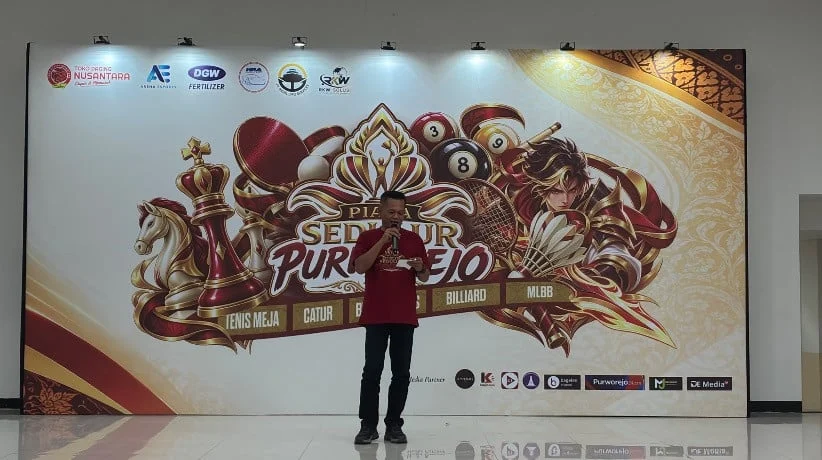
The enduring tradition of rural community solidarity found a modern expression in the capital region as hundreds of expatriates gathered for the inaugural Piala Sedulur Purworejo tournament. Held across multiple venues in the Jakarta, Bogor, Depok, Tangerang, and Bekasi (Jabodetabek) agglomeration, the multi-sport event successfully mobilized more than 200 participants originating from Purworejo Regency, Central Java. Far exceeding the boundaries of a standard athletic competition, the initiative was conceived as a vital anchor for the diaspora, reinforcing social cohesion, preserving cultural identity, and maintaining enduring ties with their homeland while navigating the socio-economic complexities of life in Indonesia’s most densely populated metropolitan area.
The competition officially commenced on Saturday, September 26, 2026, opening with precision-based cue sports before expanding into a broader festival of physical and mental agility on Sunday, September 27, 2026, at the Jatinegara Sports Hall (GOR Jatinegara) in East Jakarta. The two-day sporting gala featured a diverse lineup of disciplines designed to cater to various age groups and interests, including badminton, table tennis, chess, and the increasingly popular electronic sport Mobile Legends. This broad spectrum of events ensured high levels of engagement across generations, bridging the gap between older diaspora members and younger generations born or raised in the metropolitan hub.
Background and Context of the Purworejo Diaspora in Jabodetabek
To understand the significance of the Piala Sedulur Purworejo, one must examine the broader socioeconomic dynamics of rural-to-urban migration in Indonesia. Purworejo, a regency located in the southern part of Central Java, has historically experienced significant outward migration. Like many regions outside major metropolitan centers, economic opportunities, higher education, and employment prospects in the formal and informal sectors have driven thousands of its residents to seek livelihoods in the Greater Jakarta area.
While urbanization offers economic advancement, it frequently results in social fragmentation. Migrants often find themselves isolated within the sprawling, anonymous neighborhoods of Jabodetabek, detached from the communal support systems—such as gotong royong (mutual cooperation) and arisan (social gathering clubs)—that characterize village life in Central Java. Community-led initiatives like Piala Sedulur Purworejo serve as vital institutional bridges. By organizing cultural, social, and athletic gatherings, diaspora organizations recreate micro-communities that provide emotional support, networking opportunities, and a sense of shared belonging in an otherwise high-pressure urban environment.
Chronology and Execution of the Inaugural Tournament
The planning and execution of the inaugural Piala Sedulur Purworejo spanned several months of meticulous coordination among community leaders, volunteers, and regional stakeholders. The timeline of the event highlights the logistical coordination required to manage a multi-venue, multi-sport competition within the sprawling Jabodetabek infrastructure:
- Months Prior to Event: Formation of the organizing committee, outreach to various Purworejo community associations (paguyuban) across Jakarta, Bogor, Depok, Tangerang, and Bekasi, and securing venue partnerships.
- Saturday, September 26, 2026: Official opening of the tournament, featuring the billiards competition. This technical discipline set a focused and competitive tone for the weekend’s events.
- Sunday, September 27, 2026 (Morning): The core of the tournament commenced at GOR Jatinegara, Jakarta. Simultaneous matches began for badminton and table tennis, drawing vocal crowds of supporters and families.
- Sunday, September 27, 2026 (Midday): Strategic thinking took center stage with the chess competition, alongside the high-energy e-sports tournament featuring Mobile Legends, which captured the attention of younger diaspora members.
- Sunday, September 27, 2026 (Evening): Closing ceremonies, presentation of medals and trophies, and community networking sessions aimed at establishing permanent organizational frameworks for future gatherings.
Perspectives from Leadership and Organizers
The philosophical foundation of the tournament was heavily emphasized by its principal organizers and regional public figures. Devrin Pratama, Chairman of the Piala Sedulur Purworejo Committee, underscored that the primary metric of the event’s success was not the tally of medals or the crowning of champions, but rather the sustained connectivity of the diaspora.
"Piala Sedulur Purworejo is an inaugural event that we have established this year, and, God willing, we will organize it continuously as a recurring tradition," Pratama stated during the closing events at GOR Jatinegara on Sunday, September 27, 2026. He elaborated that the initiative serves as an intentional intervention to counter the atomization of urban life, ensuring that individuals who share a common geographic heritage have a reliable platform to meet, exchange information, and support one another professionally and personally.
Institutional backing for the event was further cemented by regional leadership. Tunaryo, Chairman of the Purworejo Regency Regional House of Representatives (D DPRD), voiced strong approval for the diaspora’s self-organized cohesion. In official statements regarding the tournament, Tunaryo emphasized that the legislative body views diaspora communities not merely as economic contributors through remittances, but as vital ambassadors of Purworejo’s cultural values abroad. He reiterated that sports events of this nature transcend competitive outcomes, functioning instead as social infrastructure that preserves regional solidarity across provincial boundaries.
Broader Sociological Implications and Future Outlook
The launch of the Piala Sedulur Purworejo points to a wider trend among regional diaspora groups in Indonesia leveraging structured activities to maintain cultural continuity. As urbanization rates continue to climb—with Jabodetabek remaining the primary destination for job seekers—the psychological need for community anchors becomes increasingly pronounced.
From a sociological perspective, tournaments combining traditional physical sports with contemporary digital platforms like e-sports represent an adaptive strategy for community survival. By incorporating Mobile Legends alongside badminton and chess, the organizers successfully mitigated generational disconnects, ensuring that teenagers and young adults raised in urban settings remain integrated within the broader cultural network of their parents’ hometown.
Furthermore, events of this scale have tangible economic and social spillover effects. Beyond fostering psychological well-being, these gatherings often evolve into informal cooperative networks. Members frequently share job leads, housing information, and business opportunities, effectively creating a localized safety net within the competitive Jabodetabek economy.
With the successful conclusion of its inaugural edition in late September 2026, the organizing committee, backed by favorable responses from participants and regional officials, has laid the groundwork for institutional expansion. Plans are already under consideration to scale up the event in subsequent years, potentially increasing the number of participating disciplines, expanding venue partnerships across all corners of Jabodetabek, and formalizing the organizing body into a permanent diaspora chamber. Through such concerted efforts, the spirit of guyub rukun—harmonious togetherness—remains resilient, proving that distance from one’s homeland need not dilute the strength of communal bonds.