The study of ecology, a branch of biology derived from the Greek terms "oikos" (house) and "systema" (organized structure), provides the fundamental framework for understanding the complex web of life on Earth. An ecosystem is defined as a dynamic complex of plant, animal, and microorganism communities and their non-living environment interacting as a functional unit. These systems operate through a continuous exchange of energy and matter, maintaining a precarious balance that supports all known biological life. As global climate patterns shift and human influence expands, the study of these systems has transitioned from a purely academic pursuit to a critical necessity for environmental conservation and sustainable resource management.
The Structural Components of Ecosystems
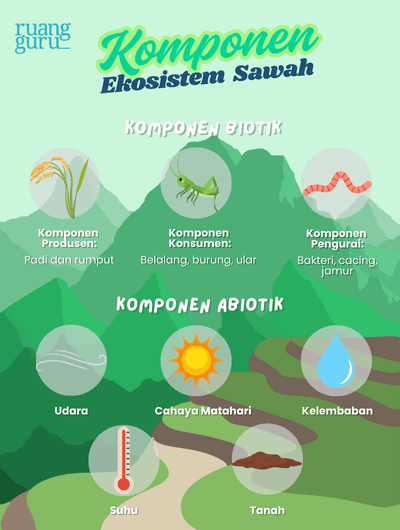
At its core, every ecosystem is built upon two primary pillars: biotic and abiotic factors. Biotic components comprise all living organisms, which are categorized by their trophic levels—the hierarchical stages through which energy flows. Producers, primarily autotrophs like green plants and algae, convert solar energy into chemical energy through photosynthesis. This process is the foundation of the global food web, producing oxygen as a vital byproduct.
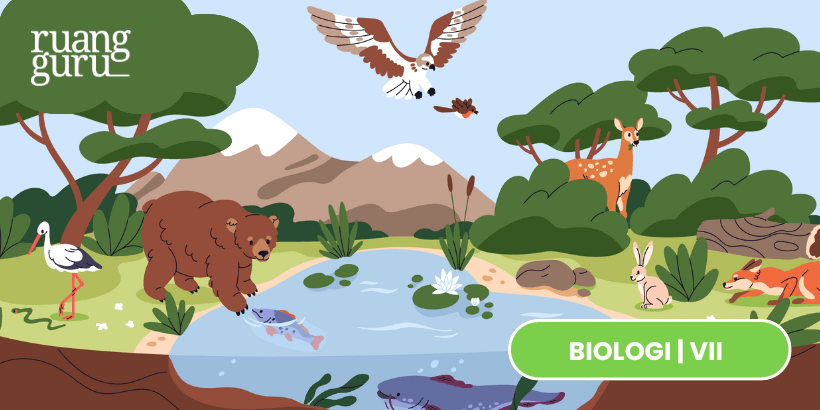
Consumers, or heterotrophs, occupy higher trophic levels, relying on organic matter for energy. They are further divided into primary, secondary, and tertiary consumers, reflecting their position in the food chain. Decomposers, such as fungi, bacteria, and certain invertebrates, perform the essential role of recycling nutrients. By breaking down dead organic matter, they return inorganic substances to the soil and water, completing the cycle that sustains primary production.
Abiotic factors provide the physical and chemical constraints within which biotic components exist. These include solar radiation, atmospheric composition, temperature gradients, moisture levels, soil pH, and topography. The interaction between these elements determines the carrying capacity of an environment—the maximum population size of a species that an ecosystem can sustain indefinitely given the available resources.
Chronology and Evolution of Ecological Thought
The conceptualization of the ecosystem did not emerge in a vacuum. The scientific trajectory began in the late 19th century with biologists observing the localized interdependencies of organisms. It was not until 1935 that British botanist Arthur Tansley formally introduced the term "ecosystem," arguing that the biotic community and the physical environment should be treated as a single, inseparable system.
Following World War II, the rise of modern ecology saw the integration of quantitative methods. By the 1960s, the International Biological Program (IBP) launched massive studies to measure the productivity of terrestrial and aquatic ecosystems. This era marked a shift toward systems ecology, utilizing computer modeling to track energy flow and chemical cycling. In the 21st century, the field has integrated remote sensing and satellite telemetry, allowing scientists to monitor ecosystem health on a planetary scale. Current research priorities, such as those overseen by the Intergovernmental Panel on Climate Change (IPCC), focus on how anthropogenic stressors—deforestation, pollution, and carbon emissions—alter the resilience of these historical systems.
Classification: Aquatic and Terrestrial Systems
Ecosystems are broadly classified into two categories: natural and artificial. Natural ecosystems operate under self-sustaining conditions, while artificial systems, such as agricultural fields or urban parks, are maintained by human intervention.
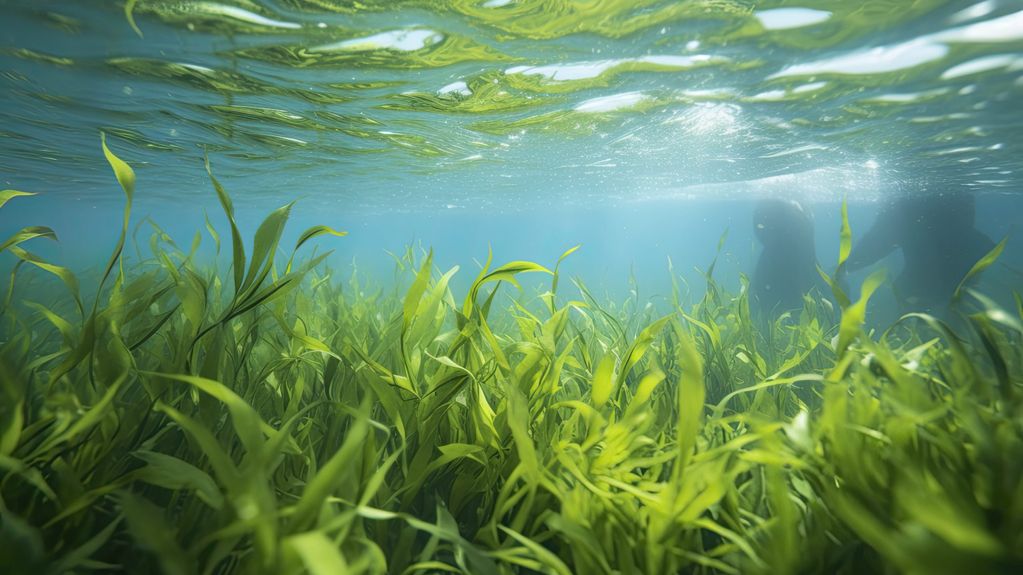
Natural ecosystems are subdivided based on their primary environment. Aquatic ecosystems represent the vast majority of the biosphere, with marine environments covering approximately 75% of the Earth’s surface. These systems are defined by salinity, depth, and light penetration. Marine biomes range from the nutrient-rich estuarine zones—where freshwater meets the sea—to the profound depths of the abyssal zone, where life relies on chemosynthesis rather than photosynthesis.

Terrestrial ecosystems, by contrast, are defined by climate, soil type, and vegetation. These biomes include:
- Tropical Rainforests: Characterized by high biodiversity and year-round rainfall, these act as global carbon sinks.
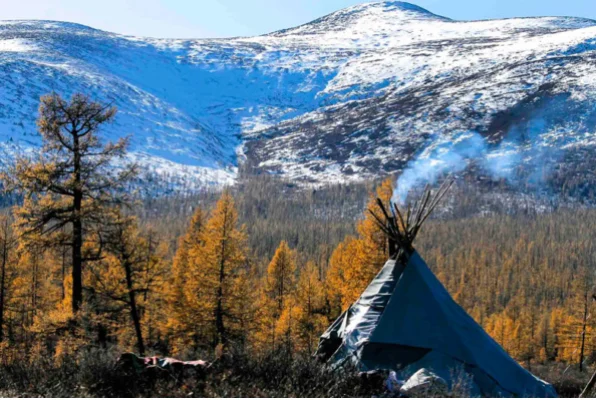
- Taiga (Boreal Forests): Found in northern latitudes, these systems are dominated by coniferous trees and are critical for regulating northern hemispheric temperatures.
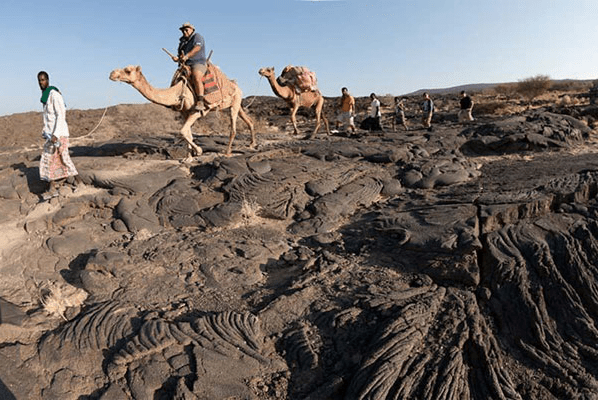
- Deserts: Defined by extreme water scarcity and temperature fluctuations, requiring highly specialized biological adaptations.
- Tundra: Located in the polar regions, these ecosystems are defined by permafrost and low-stature vegetation, making them highly sensitive to warming trends.
Socio-Economic and Environmental Implications
The functional integrity of these ecosystems provides "ecosystem services," which are the direct and indirect contributions of ecosystems to human well-being. These include provisioning services (food, water, timber), regulating services (climate regulation, water purification, pollination), and cultural services (recreation, spiritual value).
Recent assessments by the Intergovernmental Science-Policy Platform on Biodiversity and Ecosystem Services (IPBES) indicate that approximately one million animal and plant species are now threatened with extinction, many within decades. This loss of biodiversity directly correlates to the degradation of ecosystem services. For example, the destruction of coastal mangrove forests, which serve as natural storm buffers, has left coastal communities more vulnerable to rising sea levels and intensified storm surges.
The economic analysis of these changes is stark. The World Economic Forum has noted that more than half of the world’s total GDP is moderately or highly dependent on nature. Consequently, the collapse of a singular ecosystem does not remain localized; it creates a cascade effect that impacts global supply chains, food security, and climate stability.
Expert Perspectives and Future Outlook
Ecologists and policymakers emphasize that the current environmental crisis is a function of the disruption of "ecosystem resilience." Resilience refers to the capacity of an ecosystem to absorb disturbance and still retain its basic function and structure. When an ecosystem is pushed beyond a "tipping point"—a critical threshold of change—it may shift into a completely different state, often one that is less productive and less hospitable to life.
"The challenge of the next century is not merely conservation, but active restoration," suggests a consensus of climate scientists. This involves the transition toward sustainable agricultural practices, the protection of keystone species that maintain ecosystem structure, and the mitigation of carbon outputs. The integration of indigenous knowledge with modern ecological data is increasingly viewed as a viable path forward for effective ecosystem management.
Conclusion
Ecosystems are the life-support systems of the planet. They are not static backdrops for human activity but active, breathing networks that regulate the atmosphere, cycle the water, and provide the raw materials necessary for civilization. As the global population continues to rise and the climate enters a period of unprecedented change, understanding the intricacies of these biological systems is no longer an optional area of study. It is a fundamental requirement for the continued survival and prosperity of humanity. Through scientific monitoring, policy reform, and a global commitment to environmental stewardship, the preservation of Earth’s diverse ecosystems remains the most significant challenge of the modern era.