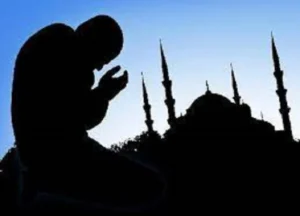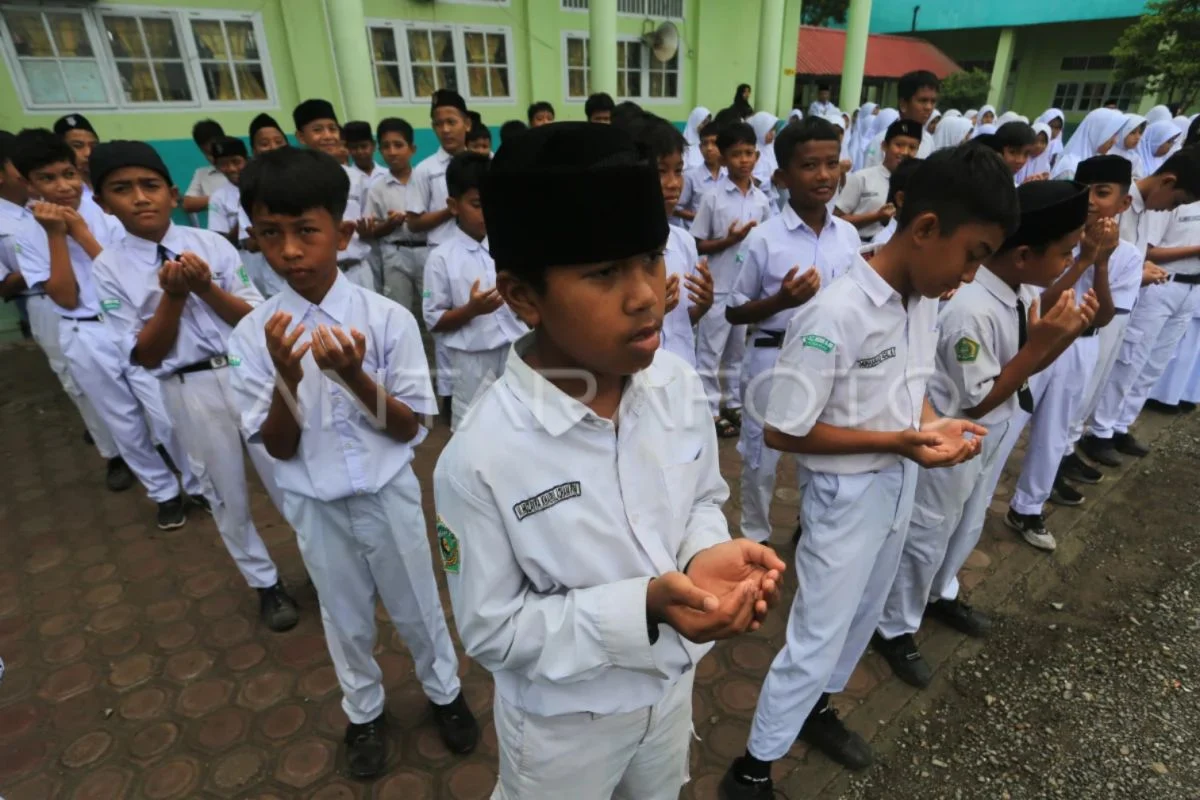
When a child falls ill, the immediate priority for parents is to ensure their swift recovery and return to health. In the context of Muslim families, the approach to healing is multifaceted, blending the necessity of medical intervention with the profound psychological and spiritual comfort provided by prayer. This holistic perspective views the healing process as a synergy between "ikhtiar" (physical effort) and "tawakkal" (spiritual reliance), recognizing that both are vital in the journey toward wellness.
The Spiritual Dimension of Healing in Islam
In Islamic tradition, illness is often viewed as a trial that carries the potential for spiritual purification. The Prophet Muhammad (peace be upon him) emphasized the importance of seeking medical treatment while simultaneously turning to God through supplication (dua). This dual approach serves as a source of strength, reducing the anxiety often felt by parents during difficult times.
The theological foundation for these prayers is deeply rooted in the Sunnah—the recorded practices and teachings of the Prophet. Numerous Hadiths, including those documented in Sahih Muslim and Sahih Bukhari, detail specific invocations that the Prophet used for himself, his family, and his companions. These prayers are not merely symbolic; they are understood as acts of worship that invoke divine mercy and patience.
Key Supplications for Recovery
When a child is ailing, parents often seek guidance on how to properly articulate their concerns. While there is no rigid requirement for the language used, several well-documented prayers provide a framework for these moments.
One of the most profound prayers is the invocation taught by the Prophet for the sick:
Allāhumma rabban-nāsi, adzhibil-ba’sa, wasyfi antasy-syāfī, lā syifā’a illā syifā’uka, syifā’an lā yugādiru saqaman.
(O Allah, Lord of mankind, remove the illness and cure it. You are the only Healer. There is no cure except Yours, a cure that leaves behind no illness.)
Additionally, many parents draw inspiration from the story of Prophet Ayyub (Job), whose patience during severe illness is chronicled in Surah Al-Anbiya, verse 83:
Rabbi annī massaniyaḍ-ḍurru wa anta arḥamur-rāḥimīn.
(My Lord, truly distress has touched me, and You are the Most Merciful of the merciful.)
For those seeking protection and general health, the prayer used by the Prophet for his grandsons, Hasan and Husayn, is widely cited:
A’ūdzu bi kalimātillāhit-tāmmati min kulli syaithānin wa hāmmatin wa min kulli ‘ainin lāmmah.
(I seek refuge in the perfect words of Allah from every devil, every venomous creature, and from every envious eye.)
Finally, for parents seeking a direct, personal plea, a common supplication is:
Allāhumma isyfi ibnī wa ‘āfihi, wa adzhib ‘anhu al-maradha, warzuqhu ash-shiḥḥata wal-‘āfiyah.
(O Allah, heal my son and grant him wellness, remove his illness, and grant him health and safety.) Note that for a daughter, the term "ibnī" is replaced with "bintī."
The Integration of Medicine and Faith
While spiritual practice offers solace, medical experts and religious scholars alike emphasize that it must never replace evidence-based medicine. The history of Islamic civilization is rich with contributions to medical science, highlighting a historical precedent for prioritizing scientific inquiry alongside faith.
Modern pediatric guidelines are clear: parents must act decisively when symptoms escalate. According to the World Health Organization (WHO) and major pediatric associations, the timeline for seeking medical intervention is critical.
Key Indicators for Immediate Medical Attention:
- Respiratory Distress: Difficulty breathing, rapid breathing, or chest retractions.
- Neurological Changes: Persistent lethargy, extreme difficulty in waking the child, or febrile seizures.
- Dehydration: Lack of urine output for 6–8 hours, sunken eyes, or a dry mouth.
- Persistent Fever: For infants under three months of age, a rectal temperature of 38°C (100.4°F) or higher requires an emergency consultation, as infections in newborns can progress rapidly.
The Role of Parental Anxiety and Psychological Support
The emotional burden on parents during a child’s illness is significant. Research in pediatric psychology suggests that a parent’s calm demeanor can influence a child’s recovery process. By engaging in spiritual rituals like prayer, parents often report a decrease in their own stress levels, which in turn allows them to provide more effective care to their children.
"When parents feel they have exhausted all physical options—such as visiting the doctor, administering medication, and ensuring proper nutrition—prayer becomes the final tether to hope," notes a pediatric health consultant. "It is a form of emotional regulation that helps parents stay composed while navigating the often unpredictable nature of childhood illnesses."
Evidence-Based Approaches to Pediatric Care
Modern pediatric care follows a structured approach known as the "triage system." When a child is presented to a clinic, practitioners look for "red flag" symptoms. Parents are encouraged to maintain a log of their child’s symptoms, including:
- Duration: How long has the fever or cough persisted?
- Intensity: Is the fever spiking at specific times?
- Appetite: Has the child’s intake of fluids and solid food changed?
Medical professionals argue that the integration of faith into the healing environment—often referred to as "spiritual care"—can improve patient outcomes by reducing the stress associated with hospital stays. Hospitals in many parts of the world are now incorporating chaplains and multi-faith prayer rooms to support the psychological needs of families.
Analyzing the Synergy of Belief and Science
The interaction between belief and medical science creates a resilient framework for parents. Critics of faith-based healing often cite the danger of relying solely on prayer, yet studies show that religious patients are often more compliant with medical treatment, provided the religious teachings emphasize the importance of seeking professional care.
In Islamic jurisprudence, the concept of Hifdzun Nafs (the preservation of life) is one of the five essential objectives of Sharia. This dictates that saving a life is a religious duty. Therefore, failing to take a sick child to a doctor when necessary is considered a violation of this core principle.
Conclusion: A Balanced Path Forward
For parents, the path through a child’s illness is best navigated with a dual compass: the wisdom of modern medicine and the comfort of spiritual devotion. While doctors provide the tools for physical restoration, prayer serves as a source of emotional strength and hope.
By maintaining a vigilant eye on clinical warning signs and fostering a supportive, calm environment at home through both prayer and professional medical guidance, parents are better equipped to help their children overcome illness. As with many aspects of life, the most effective approach is one of balance—where faith supports the heart, and science treats the body.
Parents are encouraged to continue consulting with pediatricians for any concerns regarding their child’s development or health status. The combination of medical expertise and the nurturing, faithful environment of the home remains the gold standard for pediatric recovery.