The Indonesian government’s social assistance (bansos) programs serve as a critical safety net for millions of citizens, particularly those categorized within the lowest economic deciles. However, the sheer scale of the national welfare distribution system—which involves the complex integration of regional demographic data—frequently faces challenges regarding targeting accuracy. To mitigate issues such as "inclusion errors" (where ineligible individuals receive aid) and "exclusion errors" (where eligible individuals are left out), the Ministry of Social Affairs (Kemensos) has institutionalized a public feedback mechanism known as the "Sanggah" (Rebuttal) feature within the official Cek Bansos application. This initiative is part of a broader commitment to administrative transparency and the dynamic updating of the National Social and Economic Single Data (DTSEN).
Understanding the Role of the Sanggah Feature
The Sanggah feature is more than just a digital complaint box; it is a vital component of Indonesia’s social protection oversight architecture. When the Ministry of Social Affairs disburses assistance, it relies on the Integrated Social Welfare Data (DTKS). Because household economic conditions are fluid—influenced by changes in employment, health, or asset ownership—data can become outdated.
An "inclusion error" occurs when an individual who has transitioned out of poverty continues to receive state aid, effectively diverting limited resources from those in dire need. Conversely, an "exclusion error" refers to families living in poverty who remain unregistered due to administrative gaps. The Sanggah feature allows citizens to report such discrepancies directly, fostering a community-driven verification process that complements the formal assessments conducted by local government officials.
Technical Guidelines for Reporting Through Cek Bansos
For citizens aiming to report suspected misappropriation or to request an evaluation of an ineligible recipient, the Ministry of Social Affairs provides a standardized digital pathway. Adherence to the following steps is essential to ensure that reports are processed efficiently:
- Platform Authentication: Users must download the official "Aplikasi Cek Bansos" via the Google Play Store, ensuring the developer is listed as the "Kementerian Sosial Republik Indonesia." Users should exercise caution against third-party applications that may compromise personal data.
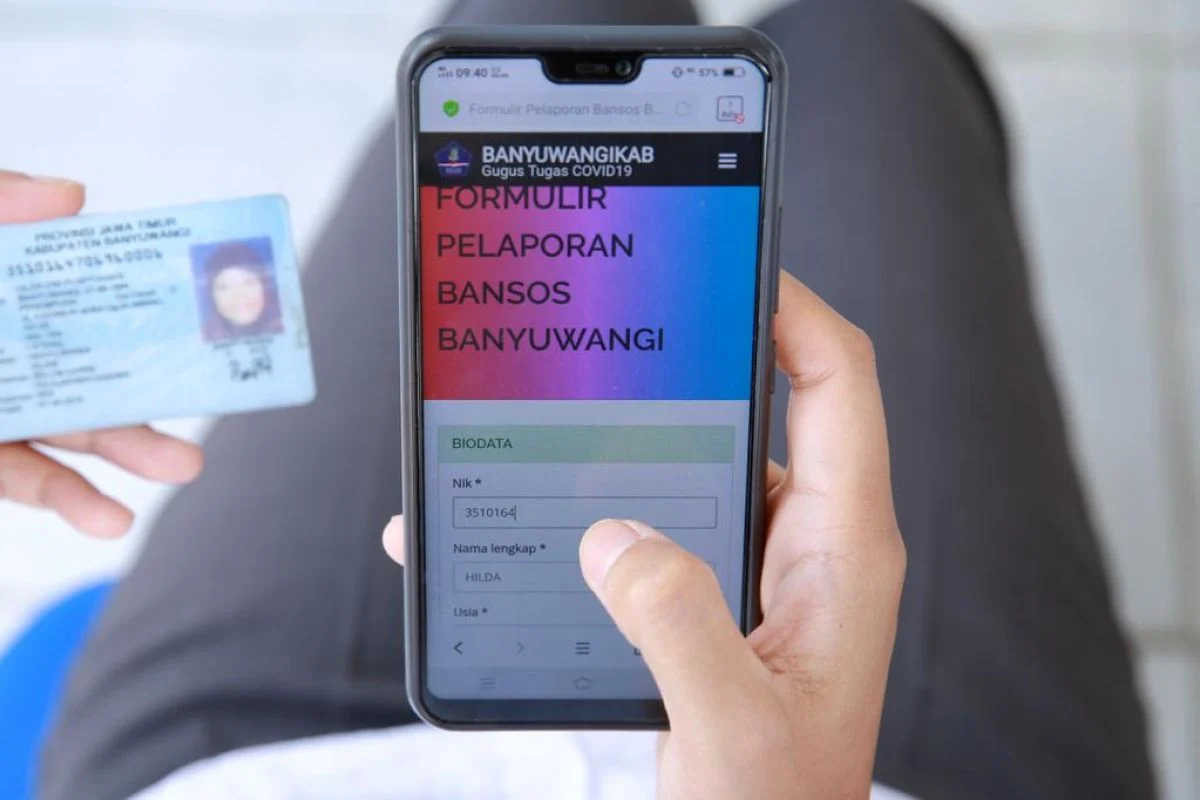
- Account Creation and Verification: Upon installation, new users must register using their National Identity Number (NIK) and Family Card (KK) details. This verification process is mandatory to prevent fraudulent reporting and ensure accountability.
- Navigating the Sanggah Menu: Once logged in, the user should select the "Sanggahan" menu. This section is specifically designed to manage feedback regarding the status of aid recipients.
- Data Input and Localization: Users must accurately input the geographical information of the individual in question—ranging from the province down to the village level. Precise identification is critical to prevent erroneous reports against innocent individuals.
- Justification and Evidence: The system requires a clear, factual explanation of why the recipient is considered ineligible. While the app may allow for the uploading of supporting documentation or images, users are strictly warned against fabricating evidence or violating the privacy rights of others.
- Submission and Verification: After submission, the report is encrypted and sent to the Ministry’s database. It is important to note that a report does not trigger an immediate suspension of benefits. Every submission undergoes a rigorous verification process involving local social welfare officers and regional administrations to confirm the current socio-economic status of the recipient.
Broader Channels for Social Welfare Feedback
Recognizing that not all citizens have consistent access to the mobile application, the Ministry of Social Affairs maintains a multi-channel approach to public accountability. These channels are designed to ensure that even those in remote areas can contribute to the accuracy of social welfare data:
- WhatsApp Lapor Kemensos (0887-7171-171): A dedicated mobile messaging line for direct queries and reports.
- Command Center (021-171): A telephone-based service that provides real-time assistance and information regarding the status of social assistance programs.
- Local Governance Integration: The most effective layer of verification often remains the village or sub-district office. Local perangkat desa (village officials) hold the authority to initiate the updating of local data, which is then escalated to the Regency or City Social Services (Dinas Sosial).
Contextualizing Social Welfare Data: The DTSEN and Decile System
The efficacy of these reporting mechanisms is tied to the Data Tunggal Sosial dan Ekonomi Nasional (DTSEN). This system categorizes households into "deciles" (1 through 10), representing their relative welfare status.
- Deciles 1–4: Typically represent the most vulnerable segments of the population, often prioritized for the Family Hope Program (PKH) and staple food assistance.
- Data Dynamics: It is a common misconception that being listed in a low decile guarantees permanent aid. Because the system is dynamic, a family’s status can shift based on household income, asset ownership, or changes in family composition.
Public reports are crucial because they act as a "ground truth" verification, informing the government when the data in the DTSEN no longer reflects the reality on the ground.
Implications of Public Participation
The shift toward a participatory oversight model has significant implications for the efficiency of the national budget. By allowing the public to engage in the verification of recipient lists, the government reduces the burden on social workers (Pendamping Sosial) who cannot physically monitor every household simultaneously.
However, this process requires a high degree of civic responsibility. Reports must be based on genuine socio-economic shifts rather than personal disputes or subjective opinions. Misusing the reporting system to target individuals based on outward appearances—such as the condition of a home or the possession of a motorcycle—can lead to unnecessary investigations and potential social friction. The Ministry emphasizes that professional assessment criteria, not public opinion alone, dictate eligibility.
Official Stance and Future Outlook
Government officials have consistently emphasized that the "Sanggah" feature is part of a larger, ongoing effort to digitize and improve the transparency of social welfare. As of late 2026, the Ministry continues to refine its verification algorithms to ensure that the process remains impartial.
Critics and analysts suggest that while these digital tools are a major step forward, the success of the system relies heavily on the responsiveness of regional offices (Dinas Sosial). There remains a need for continuous training for local officials to ensure that when a report is verified, the corresponding administrative changes are made promptly.
In summary, the ability to report social assistance inaccuracies is a fundamental right of the Indonesian citizen, provided it is exercised through the authorized digital channels and with a focus on factual evidence. By utilizing the Cek Bansos application and respecting the verification process, the public plays a crucial role in ensuring that the nation’s welfare budget reaches those who truly require the support to escape the poverty cycle. As the government continues to modernize these systems, the intersection of technology and community oversight is expected to become the cornerstone of a more resilient and equitable social safety net.
Summary of Key Procedures for Citizens
- Check Status First: Before reporting, verify the recipient’s status through the official website or app using their NIK to understand their current standing.
- Use Official Channels: Always utilize the official Ministry of Social Affairs app or validated telephone/WhatsApp lines.
- Maintain Privacy: Avoid public shaming or broadcasting the personal details of individuals on social media.
- Be Factual: Ensure that the reasoning behind the report is grounded in documented changes in the recipient’s economic situation.
- Patience with Verification: Understand that the verification cycle involves multiple administrative layers to ensure fairness and prevent errors in the suspension of benefits.
Through these concerted efforts, the government aims to create a system that is not only robust and technologically sound but also deeply integrated with the communities it serves, ultimately fostering a more accurate and compassionate welfare distribution ecosystem for all Indonesians.