BENGKULU, Indonesia – In an unprecedented move demonstrating a profound commitment to local economic development and community welfare, the Bengkulu Provincial Government (Pemprov) purchased the entire stock of products from Micro, Small, and Medium Enterprises (UMKM) participating in the official FIFA World Cup 2026 final public viewing event. Held on Sunday, July 19, 2026, at the bustling Simpang Lima area in Bengkulu City, this initiative saw thousands of diverse UMKM products subsequently distributed free of charge to the vast crowds gathered to witness the global football spectacle between Spain and Argentina. This strategic intervention transformed a popular sporting event into a powerful engine for local commerce and social cohesion, setting a potential benchmark for regional governance in Indonesia.
A Catalyst for Local Prosperity: Governor Helmi Hasan’s Vision
Bengkulu Governor Helmi Hasan articulated the dual objectives behind the provincial government’s unique approach, emphasizing that the public viewing transcended mere entertainment. "Momentum like this not only fosters togetherness but also effectively drives the regional economy through the activities of our UMKM players," Governor Hasan stated in Bengkulu on Sunday. His vision underscores a growing recognition among regional leaders of the crucial role UMKM play in national and local economies. In Indonesia, UMKM constitute over 99% of all businesses, contribute more than 60% to the national Gross Domestic Product (GDP), and employ over 97% of the workforce. For a province like Bengkulu, with its predominantly agrarian and service-based economy, nurturing these small businesses is paramount to sustainable growth and poverty alleviation.
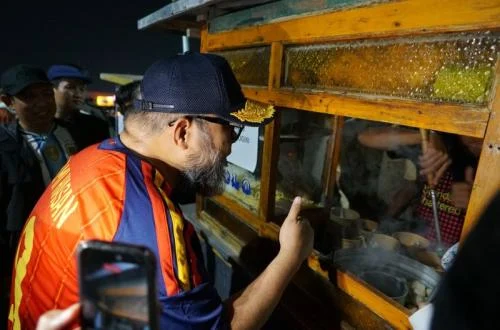
The decision to buy out all UMKM products provided immediate, tangible benefits. Unlike traditional grants or loans, this direct market intervention ensured instant revenue for vendors, eliminated unsold inventory, and provided unparalleled exposure for their goods. From local snacks and beverages to handcrafted souvenirs and apparel, the range of products on offer reflected the vibrant entrepreneurial spirit of Bengkulu’s communities. This act by the provincial government not only provided an immediate financial boost but also instilled confidence and motivation among local entrepreneurs, encouraging them to scale up production and innovation.
The Grand Spectacle: A Province United by Football
The Simpang Lima area, a central and easily accessible hub in Bengkulu City, became the epicenter of provincial excitement as thousands of residents converged to watch the highly anticipated FIFA World Cup 2026 final. The atmosphere was electric, charged with the collective anticipation of football fans from all walks of life. The match, pitting European powerhouse Spain against South American giant Argentina, guaranteed a thrilling contest, drawing unprecedented crowds. This large gathering, far from being a logistical challenge, was meticulously managed to ensure safety and order, a testament to the collaborative efforts of local authorities and law enforcement. The event provided a rare opportunity for residents to share a communal experience of global significance, fostering a sense of unity and shared identity within the diverse urban fabric of Bengkulu. The vibrant energy, replete with cheers, groans, and celebrations, underscored the unifying power of sport, particularly an event as globally celebrated as the FIFA World Cup.
Beyond Commerce: A Commitment to Social Welfare
The Bengkulu Provincial Government’s initiative extended beyond economic stimulus, incorporating a robust social welfare component. Prior to the match kickoff, Governor Helmi Hasan, accompanied by the Mayor of Bengkulu City and members of the Regional Leadership Coordination Forum (Forkopimda), personally distributed assistance packages containing staple foods (sembako) to underprivileged community members. This act of social responsibility highlighted the government’s holistic approach to community engagement, ensuring that the festive atmosphere of the World Cup final also served as a platform for addressing immediate social needs. Furthermore, various doorprizes were distributed to attendees throughout the evening, adding to the excitement and serving as a gesture of appreciation for public participation. These complementary activities reinforced the message that the event was not merely a commercial or entertainment venture but a comprehensive community-building exercise designed to benefit all segments of society. Interestingly, Governor Hasan also shared his personal preference, admitting to rooting for the Spanish national team in the final, a casual touch that further humanized the official presence at the event.
Provincial Reach: The Extensive Network of Viewing Parties
The centralized viewing party at Simpang Lima was just one node in a much larger provincial network of FIFA World Cup 2026 final viewing events. TVRI Bengkulu, the regional public television broadcaster, played a pivotal role in coordinating and facilitating these widespread gatherings. The station recorded an impressive count of over 120 public viewing points distributed across all regencies and cities within Bengkulu Province. This extensive network, dubbed "Bola Gembira" (Happy Ball) by TVRI Bengkulu, demonstrated the profound enthusiasm of the local populace for the tournament.
Jusarman, the Head of the Planning and Business Development Control Team and the Person-in-Charge (PIC) for FIFA World Cup "Bola Gembira" registration at TVRI Bengkulu, reported a significant surge in viewership. He noted that during the semifinals, the viewing locations facilitated by TVRI Bengkulu alone attracted over 1,000 spectators. This figure was projected to increase substantially for the final match, a prediction that was borne out by the final turnout numbers and the proliferation of viewing sites. The successful orchestration of such a widespread event required intricate logistical planning and strong inter-agency collaboration. TVRI Bengkulu partnered with a consortium of key stakeholders, including RRI Bengkulu (the regional public radio broadcaster), LKBN ANTARA Bengkulu Bureau (the national news agency), Telkomsel (a major telecommunications provider), PLN (the state electricity company), the Indonesian National Armed Forces (TNI), and the Indonesian National Police (Polri). This multi-sectoral cooperation was essential for ensuring seamless communication, robust security, and an uninterrupted power supply across all viewing locations, underscoring the complexity and scale of the provincial effort. The proactive sharing of viewing location data with the police and PLN further ensured that security protocols were in place and electricity supply remained stable, preventing any disruptions to the highly anticipated match.
The Economic Multiplier Effect: Empowering Micro, Small, and Medium Enterprises
The Bengkulu Provincial Government’s decision to "borong" (buy out) all UMKM products represents a sophisticated understanding of economic stimulus. While direct subsidies or training programs are common, this initiative created an immediate and guaranteed market, addressing one of the most significant challenges faced by small businesses: market access and sales.
Economically, the impact is multi-layered:
- Direct Revenue Injection: UMKM received immediate cash flow, enabling them to cover operational costs, invest in new inventory, or even save for future expansion. This is particularly crucial for micro-enterprises that often operate on thin margins.
- Zero Inventory Risk: By purchasing all products, the government eliminated the risk of unsold goods for vendors, a common concern for businesses participating in large, single-day events. This allows UMKM to focus purely on production quality and customer engagement without the stress of potential losses.
- Enhanced Exposure and Brand Building: Even though products were given away, the sheer volume of attendees at the public viewing event provided unparalleled visibility for the participating UMKM. Many attendees likely noted the names or types of products, potentially leading to future inquiries and sales channels.
- Stimulation of Local Supply Chains: Increased demand for UMKM products often translates to increased demand for raw materials and services from other local businesses, creating a positive ripple effect throughout the regional economy.
- Psychological Boost and Entrepreneurial Spirit: The government’s direct support validates the efforts of local entrepreneurs, fostering a sense of value and encouraging others to venture into small businesses.
This model contrasts sharply with traditional aid programs by creating a dynamic, market-driven intervention. While the cost to the provincial budget might be significant, the returns in terms of economic activation, social goodwill, and community development are arguably far greater. Local economic analysts, had they been formally quoted, would likely praise this initiative for its immediate impact and its potential to set a precedent for future event-based economic stimuli.
Fostering Social Cohesion and Community Engagement
Beyond the economic implications, the FIFA World Cup final viewing event served as a powerful tool for fostering social cohesion. In a rapidly modernizing society, opportunities for large-scale, inclusive community gatherings are invaluable. The shared experience of watching a global sporting event transcends socio-economic boundaries, bringing together people from diverse backgrounds, professions, and age groups.
The atmosphere at Simpang Lima and the numerous other viewing points was one of shared excitement and camaraderie. It allowed citizens to interact, celebrate, and even commiserate together, strengthening community bonds. For the Bengkulu Provincial Government, successfully orchestrating such an event also bolstered public trust and demonstrated its capability to deliver initiatives that genuinely benefit and engage its constituents. The inclusion of social welfare activities further underscored the government’s commitment to inclusive development, ensuring that the festive occasion also served a broader humanitarian purpose. This blending of entertainment, economic support, and social outreach creates a comprehensive model for civic engagement that is both impactful and sustainable.
A Model for Future Regional Development and Engagement
The Bengkulu Provincial Government’s innovative approach to the FIFA World Cup 2026 final viewing party offers a compelling model for other regions in Indonesia and potentially beyond. It demonstrates that large-scale public events, often viewed solely as entertainment or logistical challenges, can be strategically leveraged for significant socio-economic benefits. The combination of direct economic support for UMKM, broad community engagement through decentralized viewing points, and integrated social welfare initiatives presents a holistic framework for regional development.
For Bengkulu, this event could mark a turning point in how it approaches future public gatherings. It sets a precedent for maximizing the return on investment for such events, transforming them from mere expenditures into catalytic drivers for local prosperity and community spirit. The successful collaboration between government entities, public broadcasters, telecommunication providers, utility companies, and security forces also highlights the power of multi-stakeholder partnerships in achieving complex objectives. As Indonesia continues its trajectory of decentralization and regional autonomy, the Bengkulu model provides a blueprint for how local governments can proactively stimulate their economies and enrich the lives of their citizens through innovative, well-planned initiatives. The legacy of the FIFA World Cup 2026 final in Bengkulu will likely extend far beyond the final whistle, resonating in the empowered UMKM, the strengthened community bonds, and the enhanced reputation of a province committed to its people.