JAKARTA – Her Majesty Queen Máxima of the Netherlands has officially concluded a comprehensive four-day working visit to Indonesia, spanning from Monday, November 24, to Thursday, November 27, 2025. While she is widely recognized as the Dutch monarch, this specific diplomatic mission was conducted in her specialized capacity as the United Nations Secretary-General’s Special Advocate (UNSGSA) for Financial Health. This role, which she has held since 2009, focuses on the critical importance of financial services in fostering development, reducing poverty, and enhancing the overall well-being of citizens across the globe.
The visit marked a significant milestone in the long-standing partnership between the United Nations and the Indonesian government regarding financial inclusion. Queen Máxima’s itinerary was strategically designed to evaluate Indonesia’s progress in digital financial services and to pivot the conversation toward "financial health"—a concept that goes beyond mere access to bank accounts and focuses on whether individuals can effectively manage their day-to-day finances, recover from economic shocks, and achieve long-term financial goals. Over the course of the week, the Special Advocate traversed several regions, including Sragen and Solo in Central Java, the capital city of Jakarta, and Bekasi in West Java.
A Legacy of Advocacy in Indonesia
This mission represents Queen Máxima’s fifth visit to the Indonesian archipelago, reflecting the country’s status as a key partner in the global financial inclusion agenda. Her previous visits in 2012, 2016, and 2018 were also conducted in her capacity as the UNSGSA, during which she advocated for the National Strategy for Financial Inclusion (SNKI). In 2020, she visited Indonesia alongside King Willem-Alexander for a state visit, highlighting the multifaceted relationship between the Netherlands and Indonesia.
Since her first visit in 2012, Indonesia has made remarkable strides in expanding financial access. According to data from the Financial Services Authority (OJK), Indonesia’s financial inclusion rate has risen from approximately 67.8% in 2016 to over 85% in recent years, with a government target of reaching 90% by the end of 2024. However, the UNSGSA’s current mission emphasizes that "access" is only the first step. The focus must now shift to "usage" and "quality," ensuring that financial products actually improve the lives of the poor and the marginalized.
Field Operations: Sragen and Solo
The working visit commenced in earnest on Tuesday, November 25, in Central Java. Queen Máxima first visited a garment factory in Sragen Regency. The choice of location was deliberate; the manufacturing sector is a primary employer for women in Indonesia. By observing how workers receive their wages—shifting from cash-in-hand to digital payroll systems—the Special Advocate highlighted how digital wage payments can serve as an entry point for workers to access savings, insurance, and credit.
Following the factory visit, the delegation traveled to the historic Kampung Batik Laweyan in Solo. This area is a hub for Small and Medium Enterprises (SMEs), which form the backbone of the Indonesian economy, contributing over 60% of the national GDP. In Solo, Queen Máxima engaged with local artisans and business owners to discuss the challenges of maintaining financial health amidst fluctuating global demand and rising production costs.
A pivotal moment of the day occurred at Pura Mangkunegaran, where she participated in a forum hosted by Women’s World Banking. This session brought together a diverse group of stakeholders, including university students, young entrepreneurs, and female micro-business owners. The discussions centered on the "gender gap" in financial inclusion. While Indonesia has performed well compared to its peers, women-led businesses often still face higher hurdles in securing formal credit. Queen Máxima listened to testimonials regarding how digital literacy and tailored financial products have empowered these individuals to expand their businesses and secure their families’ futures.
Innovative Solutions: The Intersection of Finance and Environment
On Wednesday, November 26, the focus shifted toward institutional collaboration and innovative housing finance. The morning began with a high-level roundtable discussion at the United Nations office in Jakarta, involving various development organizations. The dialogue focused on harmonizing international support for Indonesia’s financial health initiatives.
The Special Advocate then met with representatives from the International Finance Corporation (IFC), a member of the World Bank Group. The meeting explored the development of credit products that not only stimulate economic growth but also ensure that borrowers do not fall into debt traps. This is particularly relevant as Indonesia sees a surge in "fintech" and peer-to-peer lending, which requires robust consumer protection frameworks.
One of the most unique stops of the trip was at the Gran Harmoni Cibitung subsidized housing complex in Bekasi, West Java. This project serves as a model for low-to-middle-income housing with an environmental twist: the homes are designed to be low-emission. During her visit, Queen Máxima entered the home of a local resident to discuss the realities of homeownership for first-time buyers.
The highlight of the Bekasi visit was the observation of an innovative program by Bank Tabungan Negara (BTN) that allows residents to pay a portion of their mortgage installments using "waste credits" earned through a local garbage bank (Bank Sampah). Residents collect and sort recyclable waste, which is then valued and converted into financial credits. Queen Máxima praised this synergy between financial inclusion, social protection, and environmental sustainability, noting that such creative models could be replicated in other developing nations to help the urban poor build assets.
Corporate Responsibility and Employee Well-being
Later on Wednesday afternoon, Queen Máxima visited the offices of Deloitte Indonesia in Jakarta. The discussion moved from the informal sector to the formal corporate environment. She urged employers to take an active role in the financial health of their workforce. The Special Advocate argued that when employees are financially secure and have access to the right tools to manage their money, productivity increases and turnover decreases. This segment of the visit underscored the idea that financial health is a shared responsibility between the government, the private sector, and the individual.
Strategic Dialogue with President Prabowo Subianto
The final day of the mission, Thursday, November 27, was dedicated to high-level policy and statecraft. Queen Máxima participated in a financial literacy agenda alongside the leaders of Indonesia’s primary financial institutions: the Financial Services Authority (OJK), Bank Indonesia (BI), and the Ministry of Finance. These institutions have been instrumental in creating the regulatory "sandboxes" that allow for digital innovation while maintaining financial stability.
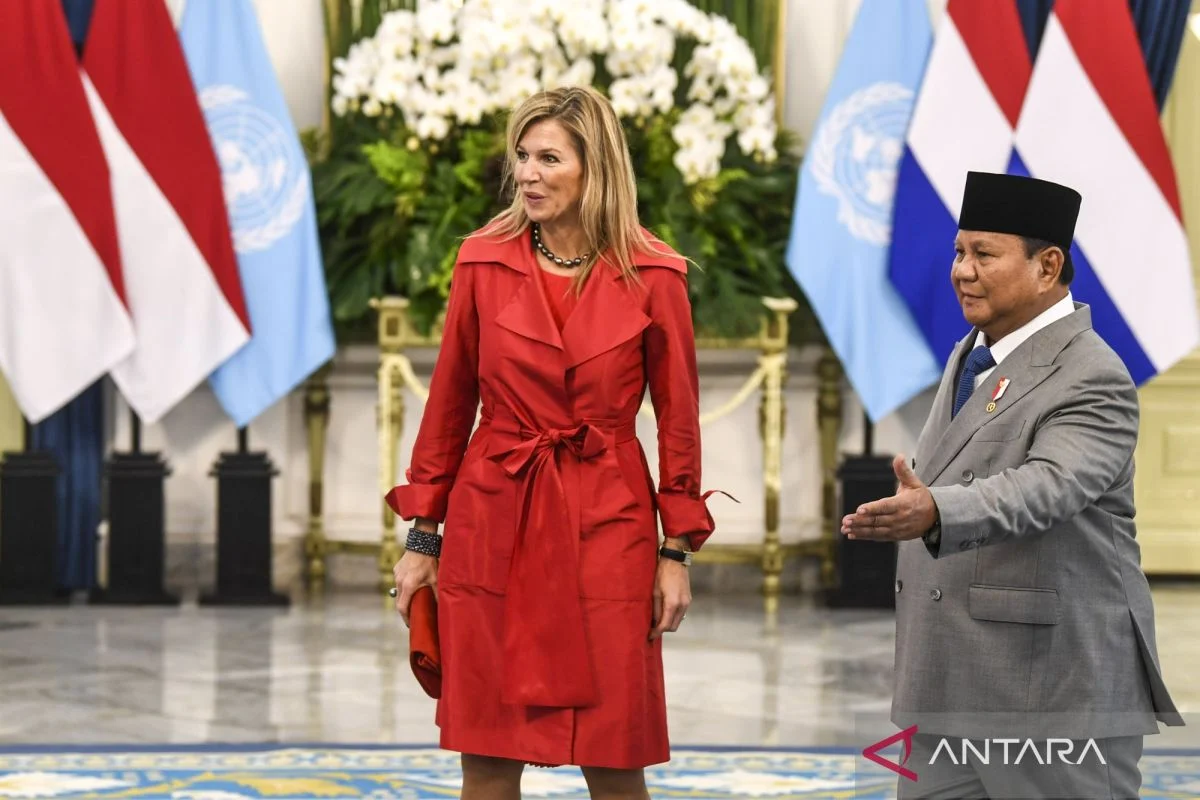
The culmination of the visit was a bilateral meeting with President Prabowo Subianto at the Merdeka Palace in Jakarta. This meeting was of significant diplomatic importance, as it provided an opportunity for the UNSGSA to present her findings from the field directly to the head of state. President Prabowo, who has prioritized poverty alleviation and food security in his administration’s "Asta Cita" program, welcomed the insights.
During their "four-eyes" meeting and subsequent luncheon, the two leaders discussed how digital public infrastructure (DPI)—such as biometric ID systems and instant payment rails—can be leveraged to distribute social subsidies more efficiently. Queen Máxima emphasized that Indonesia’s success in digitalization is a beacon for other countries, but cautioned that the "digital divide" must be closed to ensure that those in remote areas are not left behind.
Implications for Indonesia’s Economic Future
The visit of Queen Máxima comes at a time when Indonesia is seeking to elevate its status on the global stage, including its bid to join the Organisation for Economic Co-operation and Development (OECD). Strengthening the financial resilience of its population is a key requirement for such a transition.
Analysts suggest that the Queen’s focus on "financial health" rather than just "inclusion" marks a sophisticated shift in policy. As the global economy faces headwinds, including climate change and supply chain disruptions, the ability of Indonesian households to withstand shocks is paramount. The "Garbage Bank" mortgage model and the focus on digital wage payments for garment workers are practical examples of how micro-level interventions can lead to macro-level stability.
Furthermore, the involvement of the Ministry of Finance and Bank Indonesia indicates a unified front in tackling financial literacy. Despite high levels of mobile phone penetration, many Indonesians still lack the "financial capability" to navigate complex financial products. The UNSGSA’s visit has acted as a catalyst for these agencies to renew their commitment to education and consumer protection.
As Queen Máxima departs Jakarta, the mission leaves behind a roadmap for the next phase of Indonesia’s economic development. The transition from a nation of "account holders" to a nation of "financially healthy citizens" will be the true measure of success for the initiatives discussed during this four-day tour. The collaboration between the UN and the Indonesian government continues to serve as a global benchmark for how international advocacy can be translated into tangible local impact.