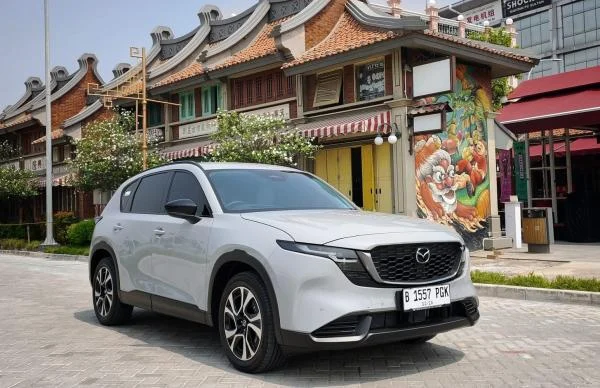
Mazda has officially solidified its competitive position in the Indonesian automotive sector with the local introduction of two updated sport utility vehicles (SUVs): the third-generation All-New Mazda CX-5 and the latest iteration of the Mazda CX-30. The rollout, showcased during the “Mazda Drive: Mission Is Possible” event held on November 10, 2026, marks a significant milestone in the Japanese manufacturer’s strategy to capture a larger share of the premium SUV segment in Southeast Asia. Journalists were granted the opportunity to test these models across a diverse circuit encompassing dense urban traffic, high-speed toll roads, and the coastal infrastructure of Pantai Indah Kapuk (PIK) 2 in Tangerang, providing a comprehensive assessment of how these vehicles handle varying driving conditions.
Strategic Positioning in the Indonesian Automotive Landscape
The automotive market in Indonesia has undergone a rapid transformation, with a distinct shift toward vehicles that offer a blend of versatility, luxury, and advanced technology. Mazda, known for its “Kodo: Soul of Motion” design philosophy, has positioned the new CX-5 as the flagship for families and professionals seeking a more substantial, feature-rich driving experience. In contrast, the CX-30 is targeted at a younger, urban demographic that prioritizes agility and a sleek, modern aesthetic without compromising on the premium interior quality that has become synonymous with the Mazda brand.
Industry analysts suggest that by launching these two distinct models simultaneously, Mazda is effectively covering both the mid-size and compact SUV segments. This dual-pronged approach is designed to mitigate the risks associated with market volatility while catering to the evolving preferences of the Indonesian middle and upper-middle class, who are increasingly favoring SUVs over traditional sedans.
The All-New Mazda CX-5: Engineering Sophistication
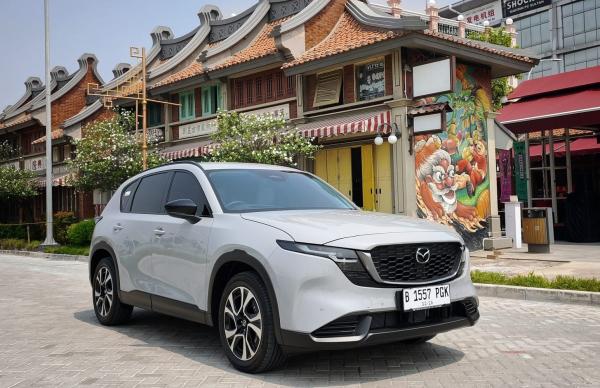
The third-generation CX-5 represents more than just a visual update; it is a fundamental re-engineering of the model that has long been Mazda’s global best-seller. The vehicle has been refined to offer a more imposing road presence, characterized by a more aggressive exterior styling that features sharper lines and an updated signature grille.
Inside the cabin, the evolution is immediately apparent. The interior layout has moved toward a horizontal, minimalist design language that emphasizes ergonomic efficiency. During the test drive, the most significant improvements were observed in the human-machine interface (HMI). The vehicle is equipped with a 12.9-inch touchscreen infotainment system that integrates seamlessly with a 10.25-inch digital instrument cluster. This setup is complemented by an updated Active Driving Display (head-up display), which minimizes driver distraction by projecting essential navigation and speed information directly into the line of sight.
Perhaps the most notable improvement for the driver is the Capacitive Steering Commander Control. By utilizing capacitive touch technology, the interface allows for more intuitive management of the vehicle’s systems, effectively reducing the reliance on physical buttons and simplifying the interaction process. These technological upgrades reflect Mazda’s commitment to its “Human-Centric” development philosophy, where the vehicle is designed to be an extension of the driver’s intent.
Performance and Powertrain Dynamics
Under the hood, the CX-5 remains true to Mazda’s commitment to internal combustion engine efficiency, featuring the well-regarded SKYACTIV-G 2.5L engine. This powerplant generates 179 PS and a peak torque of 240 Nm. During the test drive in the congested streets of Jakarta and the open stretches of the city toll roads, the powertrain demonstrated exceptional responsiveness. The torque delivery is linear and immediate, allowing for quick overtaking maneuvers and effortless acceleration even at lower RPMs.

The transmission calibration, paired with Mazda’s G-Vectoring Control Plus (GVC Plus), ensures that the SUV remains stable during high-speed cornering and lane changes. The suspension setup has been retuned to absorb road imperfections more effectively, providing a composed ride that maintains the “Jinba Ittai” (horse and rider as one) feeling that Mazda enthusiasts often cite as a primary purchasing driver.
The New Mazda CX-30: Urban Agility and Modern Design
While the CX-5 focuses on interior volume and utility, the new CX-30 is engineered for the realities of modern urban living. It occupies a unique space between a hatchback and a crossover, offering a ride height that provides better visibility without the bulk associated with larger SUVs.
The design of the CX-30 continues to utilize the Kodo design language, emphasizing fluid light reflections on its body panels. It is a vehicle designed for the city-dweller who demands a premium aesthetic and high-quality materials—such as soft-touch leather and premium sound insulation—without the footprint of a family-sized vehicle. In the PIK 2 testing grounds, the CX-30 proved highly maneuverable, with a tight turning radius that made navigating complex intersections and parking structures significantly less stressful than in larger vehicles.
The Chronology of Development and Market Entry
The arrival of these models in Indonesia follows a global trend of electrification and digitization, though Mazda has remained focused on optimizing the thermal efficiency of its gasoline engines as a primary strategy for the Indonesian market. The timeline leading up to the November 2026 launch involved extensive local testing to ensure the vehicles were calibrated for local fuel quality and road infrastructure.

Following the initial announcement, Mazda Indonesia has indicated that customer deliveries are scheduled to begin in early December 2026. This timeline allows the company to capitalize on the year-end sales period, which traditionally sees higher automotive demand in the region.
Comparative Analysis: Implications for the Indonesian Consumer
For the potential buyer, the choice between the new CX-5 and the CX-30 is clearly defined by lifestyle requirements. The CX-5 is the definitive choice for those who view their vehicle as a multi-purpose tool—capable of handling the school run, the daily commute, and long-distance road trips with equal competence. The increased dimensions over the previous generation have resulted in a significantly more spacious rear cabin, addressing one of the few criticisms of the second-generation model.
The CX-30, conversely, is an aspirational vehicle. It competes in a segment that is becoming increasingly crowded with European and other Japanese rivals. However, Mazda’s strategy of including high-end safety features, such as the i-Activsense suite, as standard equipment across its lineup gives it a competitive edge in terms of value-for-money.
Broader Impact and Industry Context
The launch of these models occurs within a broader context of shifting regulatory and economic frameworks in Indonesia. The government’s continued push for green energy and the promotion of electric vehicles (EVs) have put pressure on traditional automotive manufacturers to justify the relevance of internal combustion engines. Mazda’s response has been to focus on “right-sizing” and technological refinement, ensuring that their current gasoline engines meet high environmental standards while maintaining the driving dynamics that the brand is famous for.
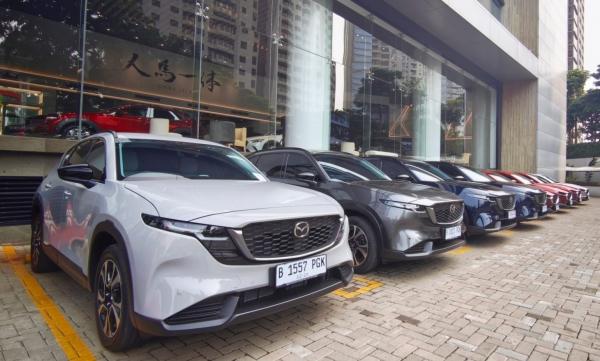
Furthermore, the integration of advanced digital features, such as the 12.9-inch interface, indicates that Mazda is catching up to the digital-first expectations of modern consumers. The automotive industry in Indonesia is currently in a state of flux, with Chinese manufacturers gaining ground through aggressive pricing and feature-heavy offerings. Mazda’s strategy is clearly to differentiate itself through build quality, brand heritage, and the sensory experience of driving, rather than entering a price war.
Conclusion
The "Mazda Drive: Mission Is Possible" event served as a testament to the brand’s resilience and its ability to adapt to the competitive landscape of the Indonesian market. By updating the CX-5 to meet the demands of modern families and refining the CX-30 for the urban professional, Mazda has successfully refreshed its portfolio with two distinct, high-quality offerings. As the automotive industry continues to evolve, the emphasis on driving experience, paired with the integration of thoughtful technology, will likely remain the cornerstone of Mazda’s strategy. Whether these updates will be sufficient to secure a dominant market share remains to be seen, but the initial impressions from the road suggest that the Japanese automaker is well-equipped for the challenges ahead.