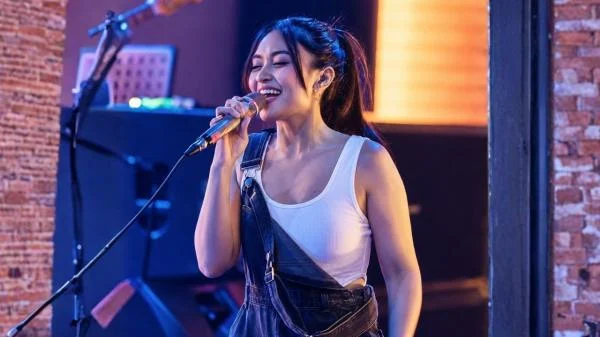
The Indonesian music landscape is bracing for a fresh infusion of creative energy as emerging artist Iwiw prepares to unveil her highly anticipated debut single. Scheduled for official release on October 3, 2026, the track serves as the definitive introduction of a new voice in the industry, one that seeks to bridge the gap between traditional sensibilities and contemporary sonic trends. By embracing the hybrid "Hipdut" genre—a stylistic fusion of hip-hop’s rhythmic urgency and the culturally resonant melodies of dangdut—Iwiw is positioning herself at the forefront of a burgeoning movement aimed at modernizing Indonesian popular music for a globalized audience.
The debut, which has been shrouded in strategic anticipation, marks the culmination of months of intensive preparation in the studio. For Iwiw, the release is not merely a commercial endeavor but a fundamental declaration of artistic identity. In an era where the digital music ecosystem demands both high-frequency content and distinct aesthetic branding, her decision to champion the Hipdut genre reflects a calculated effort to carve out a niche that is both commercially viable and culturally authentic.
The Emergence of the Hipdut Genre
To understand the significance of Iwiw’s debut, one must first examine the evolution of the Hipdut genre. Historically, Indonesian popular music has been defined by clear demarcations between traditional folk music, such as dangdut, and modern urban sounds, such as R&B and hip-hop. However, the last decade has seen a gradual erosion of these boundaries. Younger generations of Indonesian musicians have increasingly sought to integrate the syncopated percussion and emotional vocal ornamentation characteristic of dangdut with the high-production value, heavy basslines, and electronic textures of contemporary urban music.
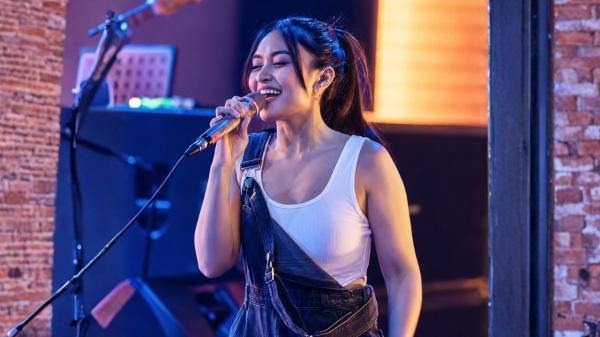
This synthesis, dubbed "Hipdut," represents more than just a musical experiment; it is a reflection of the Indonesian youth experience—a reality that is simultaneously rooted in local tradition and hyper-connected to global pop culture. By adopting this style, Iwiw is tapping into a demographic that values the nostalgic familiarity of the Indonesian vernacular while demanding the polished, high-energy aesthetic of international pop acts.
A Chronology of the Pre-Launch Phase
The lead-up to the October 3 release has followed a standard but rigorous path of artist development common among top-tier talent management firms in Jakarta. The process began in early 2026, when Iwiw commenced initial recording sessions aimed at defining her core sound.
- January – March 2026: Conceptualization phase. The creative team focused on identifying a genre that would differentiate the artist from the crowded field of Indonesian solo pop performers.
- April – June 2026: Studio production and arrangement. This period was dedicated to the technical aspects of the debut single, ensuring the production quality met international standards.
- July 2026: Visual branding and content development. With the audio components finalized, the focus shifted to the visual identity of the project, including photography, social media rollout plans, and the coordination of promotional partnerships.
- August 2026: Finalization of the distribution strategy. As of mid-August 2026, the artist began teasing the release to build momentum among her digital fanbase.
- October 3, 2026: Scheduled release date. The official drop will occur across all major digital streaming platforms (DSPs), followed by an integrated media campaign.
The Strategic Importance of the Debut
In the modern music industry, a debut single serves as the "Proof of Concept." It is the primary data point for labels, promoters, and fans to determine the long-term viability of an artist. For Iwiw, the stakes are significant. The Indonesian market is currently witnessing a rapid shift toward streaming-first consumption, with platforms like Spotify, Apple Music, and YouTube Music acting as the primary arbiters of success.
Market data from the first half of 2026 indicates that tracks blending local genres with modern production have a 25% higher rate of viral potential compared to standard pop ballads. By choosing to lead with a high-energy Hipdut track, Iwiw is positioning herself to capitalize on this data-driven trend. The goal is to secure placements on high-traffic playlists—such as "Viral 50 Indonesia" or "Dangdut Koplo Hits"—which are critical for breaking into the mainstream consciousness.

Artistic Vision and Professional Outlook
Reflecting on the upcoming release, Iwiw emphasized the importance of authenticity in her creative process. "As an artist entering the industry today, there is a constant pressure to conform to what is already successful," she noted in a recent briefing. "However, my goal with this first single is to introduce a sound that feels like a natural extension of my own background while also pushing the boundaries of what is expected in the Hipdut space. This release is a statement of intent."
Industry observers suggest that Iwiw’s success will largely depend on the consistency of her follow-up releases and her ability to translate her studio sound into a compelling live performance. In Indonesia, the live circuit remains the bedrock of an artist’s career. The capability to perform effectively at festivals and regional events will be the ultimate test of her endurance in the industry.
Broader Implications for the Indonesian Music Industry
The rise of artists like Iwiw highlights a wider transition occurring within the Indonesian creative economy. As the nation’s middle class grows, so does the demand for locally produced entertainment that competes with international offerings. The institutional support for the Hipdut genre is a sign that major players in the Indonesian music industry are investing in "Hybridity" as a business strategy.
Furthermore, the integration of traditional elements into modern pop serves as a form of cultural soft power. It allows Indonesian artists to export their culture to the ASEAN region and beyond, creating a unique sonic identity that is distinct from K-Pop or Western pop music. Should Iwiw’s debut prove successful, it will likely encourage further investment in similar artists who seek to blend regional musicology with modern global production.

Anticipation and Market Response
As the release date of October 3, 2026, approaches, the level of interest surrounding the single remains high. Within the digital ecosystem, social media sentiment analysis shows a growing curiosity among listeners regarding the specific direction of the track. Promotional efforts are being handled by a multi-channel campaign, ensuring that the debut receives adequate visibility across both traditional media and digital outlets.
The decision to lean into the Hipdut genre is not without risks. Critics of the genre often point to the potential for stylistic fatigue, where songs begin to sound overly uniform. However, Iwiw’s team is reportedly focused on distinct songwriting and vocal delivery to ensure that the single stands out. By prioritizing melody and lyrical relatability, she aims to maintain the listener’s interest beyond the initial hook.
Conclusion
Iwiw stands at the precipice of a significant career milestone. With the backing of a well-defined artistic strategy and a clear understanding of the current musical landscape, her debut is poised to be one of the most interesting releases of the final quarter of 2026. Whether the single achieves viral status or serves as a steady foundation for a long-term career, it marks a pivotal moment for both the artist and the evolving Hipdut genre.
As the industry watches, the focus will shift from the pre-release hype to the actual reception by the public. For an emerging talent, the transition from an unknown artist to a recognizable brand is rarely linear, but with a clear vision and a genre-bending sound, Iwiw is positioning herself to be a significant contributor to the next chapter of Indonesian music history. Her journey, which begins in earnest this October, will be a critical case study in how new artists can navigate the complexities of a digital-first, genre-fluid musical era.