
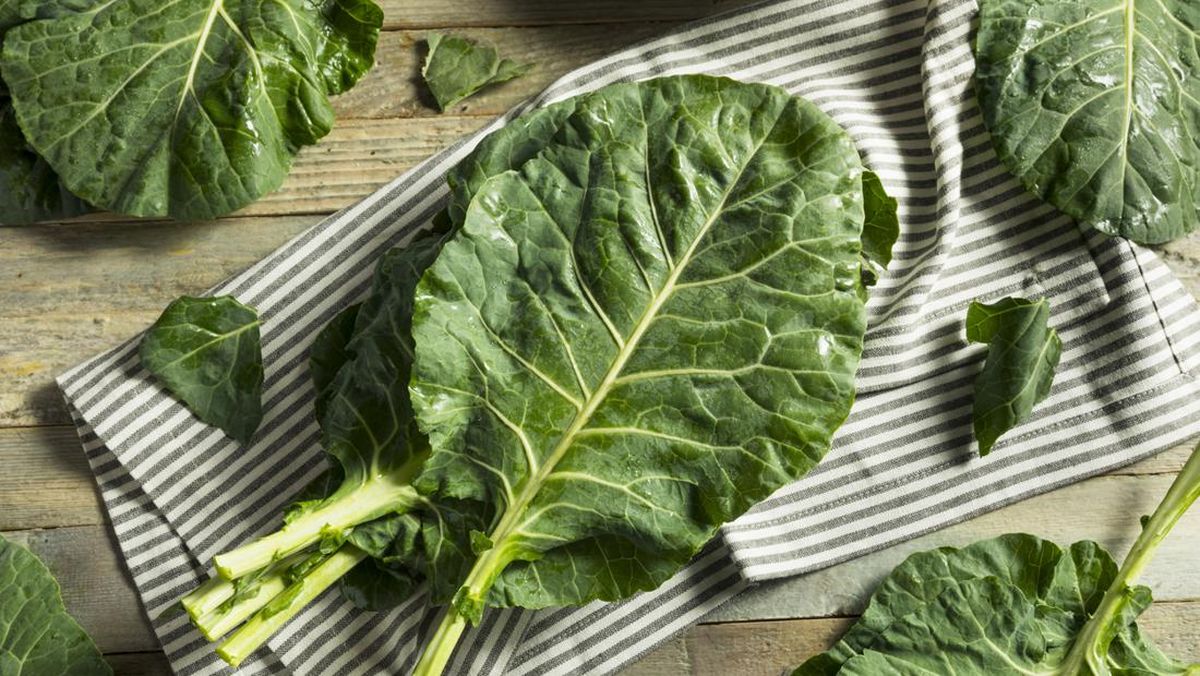
Leafy green vegetables such as lettuce, spinach, kale, and broccoli, are widely recognized for their exceptional nutritional profiles, boasting a rich abundance of vitamins, minerals, and dietary fiber. However, these vibrant greens also present a significant risk for foodborne illnesses if not meticulously cleaned before consumption. Experts emphasize that a simple rinse is insufficient to ensure safety, and understanding the correct washing techniques is paramount to mitigate the potential for contamination.
The inherent vulnerability of leafy greens to contamination stems from their growth habit, often close to the soil surface. This proximity increases their exposure to various contaminants, including soil particles, contaminated irrigation water, and animal feces. The risk is further amplified by the common practice of consuming these vegetables raw, bypassing the germ-killing effects of cooking. Francisco Diez-Gonzalez, Director of the Center for Food Safety and a professor of food science at the University of Georgia, explains that leafy greens are frequently implicated in foodborne disease outbreaks precisely because they are eaten without undergoing a process that would eliminate microorganisms after harvest.
While no method can guarantee the complete eradication of all pathogens, experts concur that careful selection, thorough washing, and proper storage of leafy greens can substantially reduce the risk of food poisoning. The Centers for Disease Control and Prevention (CDC) reports that in the United States, an estimated 48 million people get sick, 128,000 are hospitalized, and 3,000 die each year from foodborne illnesses. Produce, including leafy greens, is a leading category of food involved in these outbreaks.
Best Practices for Washing Leafy Greens
The consensus among food safety professionals is that all leafy green vegetables should be washed before being prepared and consumed. The recommended process, as outlined by Diez-Gonzalez, involves a multi-step approach designed to maximize the removal of surface contaminants.
"The washing process can reduce approximately 90 percent of the microbes clinging to the surface of the leaves, and drying them with a towel helps to perfect this process," Diez-Gonzalez stated. This suggests that effective cleaning involves more than just running water over the produce.
The recommended method typically involves:
- Initial Rinse: Gently rinse the greens under cool running water to remove loose debris. For tightly packed greens like heads of lettuce or broccoli florets, it may be beneficial to separate leaves or break down into smaller pieces to ensure water reaches all surfaces.
- Soaking (Optional but Recommended for Certain Greens): For greens with many nooks and crannies, such as spinach or kale, a brief soak in a basin of clean, cool water can help dislodge any remaining particles. Agitate the greens gently during the soak.
- Thorough Rinsing: After soaking, rinse the greens again under cool running water, ensuring all soap or residue from the basin is removed.
- Drying: This is a crucial step that is often overlooked. Using a salad spinner is an efficient way to remove excess water. Alternatively, pat the greens dry thoroughly with clean paper towels or a clean kitchen towel. Excess moisture can promote the growth of bacteria and can also dilute salad dressings, affecting the taste and texture of the final dish.
The Food and Drug Administration (FDA) in the United States also provides guidelines for handling produce safely. Their recommendations align with the principles of thorough washing and drying to minimize microbial contamination.
The Role of Blanching for Sturdier Greens
For leafy greens with more robust textures, such as kale, broccoli, or mature spinach, experts suggest an additional safety measure: blanching. This technique involves briefly immersing the vegetables in boiling water, followed immediately by an ice bath to halt the cooking process.
Martin Bucknavage, a food safety expert from Penn State University, explains that blanching is a common practice, particularly before freezing vegetables, as it helps preserve color and prevent a mushy texture upon thawing. More importantly, from a food safety perspective, "blanching also destroys germs, so it does have a sanitizing function," Bucknavage noted.
The process is relatively simple:
- Bring a pot of water to a rolling boil.
- Prepare a large bowl filled with ice water.
- Carefully add the sturdy leafy greens to the boiling water for a short duration, typically 30 seconds to 2 minutes, depending on the type of vegetable and size of the pieces.
- Immediately transfer the blanched greens to the ice bath using a slotted spoon or spider strainer.
- Allow the vegetables to cool completely in the ice bath before draining and drying.
However, this method is not recommended for delicate greens like lettuce. The heat of blanching can significantly damage their crisp texture and alter their delicate flavor profile, rendering them unsuitable for salads or other raw preparations.
What to Avoid: Harmful Cleaning Agents
A critical warning from food safety professionals is to refrain from using soaps, bleach, or any household cleaning liquids to wash produce. Residues from these chemicals can be absorbed by the leafy tissues of the vegetables and pose a health hazard if ingested. Such agents are not designed for consumption and can lead to adverse health effects.
The FDA and other public health organizations strictly advise against using detergents or sanitizing solutions that are not specifically approved for food contact. The safest and most effective method for washing produce remains clean water and thorough physical removal of contaminants through rinsing and drying.
Background and Context: The Evolving Landscape of Food Safety
The heightened awareness surrounding the safe handling of leafy greens is a product of evolving food safety science and documented incidents of foodborne illness. Historically, produce was often considered inherently safe, but as consumption of raw vegetables has increased and agricultural practices have become more complex, the risks have become more apparent.
In recent decades, numerous outbreaks linked to contaminated produce, including leafy greens, have prompted regulatory bodies and public health organizations to intensify their educational efforts. For instance, E. coli O157:H7 and Listeria monocytogenes are common pathogens associated with outbreaks linked to leafy greens, often originating from contaminated water sources or animal intrusions in agricultural fields.
A notable historical example that underscored the risks was the 2006 E. coli outbreak linked to bagged spinach, which sickened hundreds and led to multiple deaths. This event served as a stark reminder of the potential dangers and spurred significant improvements in food traceability and safety protocols within the produce industry. Since then, advancements in farming practices, including improved water quality testing, enhanced pest and wildlife management, and stricter harvesting procedures, have been implemented to mitigate these risks.
Broader Implications and Analysis
The emphasis on proper washing techniques for leafy greens has significant public health and economic implications. On a public health level, consistent adherence to these guidelines can lead to a measurable reduction in the incidence of foodborne illnesses, thereby lessening the burden on healthcare systems and preventing individual suffering.
Economically, outbreaks linked to produce can have devastating consequences for the agricultural sector. Recalls, market closures, and damage to consumer confidence can result in substantial financial losses for farmers and distributors. Therefore, clear and accessible information on safe food handling practices benefits all stakeholders in the food supply chain.
The analysis of these food safety concerns highlights a critical intersection between agricultural practices, consumer behavior, and public health. While the industry bears a significant responsibility for ensuring the safety of produce from farm to table, consumers also play a vital role in preventing illness through diligent preparation at home.
Official Responses and Industry Standards
In response to past outbreaks and ongoing food safety concerns, various regulatory bodies and industry organizations have established comprehensive guidelines and standards. In the United States, the FDA’s Food Safety Modernization Act (FSMA) represents a significant shift towards a preventative approach to food safety. FSMA includes specific regulations for produce safety, requiring farms to implement measures to minimize the risk of contamination from biological and environmental hazards.
The produce industry itself has also developed robust safety programs, such as the Produce Traceability Initiative (PTI) and various Good Agricultural Practices (GAP) certifications. These initiatives aim to enhance traceability, improve farm-level safety practices, and build greater consumer trust.
Conclusion: A Shared Responsibility for Safe Eating
The nutritional benefits of leafy green vegetables are undeniable, making them a cornerstone of a healthy diet. However, their inherent vulnerability to contamination necessitates a proactive and informed approach to their preparation. By understanding and consistently applying proper washing and handling techniques, consumers can significantly reduce their risk of foodborne illness and continue to enjoy the healthful bounty that these greens offer. This collective effort, from agricultural producers to regulatory bodies and individual consumers, is essential in ensuring that our food supply remains safe and nourishing for all. The simple act of thoroughly washing and drying leafy greens before consumption is a small but powerful step in safeguarding public health.