The Indonesian automotive industry is currently witnessing a robust period of recovery and expansion, as evidenced by the latest data released by the Association of Indonesia Automotive Industries (Gaikindo). Throughout the first ten months of 2026, national wholesale vehicle sales reached a total of 760,476 units. This figure represents a significant year-on-year growth of 35.5 percent compared to the same period in 2025. In an strategic effort to maintain this upward trajectory and capitalize on the year-end demand, Gaikindo has launched the Gaikindo Auto Week (GAW) 2026, a series of exhibitions held simultaneously across ten major cities in Indonesia.
A Strategic Pivot Toward Transactional Growth
Unlike the more globally renowned Gaikindo Indonesia International Auto Show (GIIAS), which primarily functions as a platform for unveiling cutting-edge technological advancements, conceptual designs, and brand-new vehicle models, the Gaikindo Auto Week is explicitly designed to be a market-driven event. The core objective of GAW 2026 is to stimulate direct consumer transactions and accelerate the retail movement of vehicles before the fiscal year concludes.
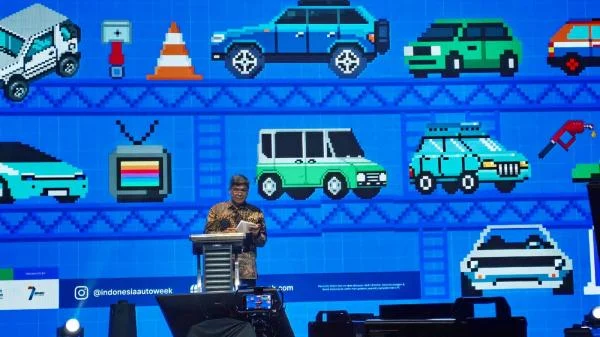
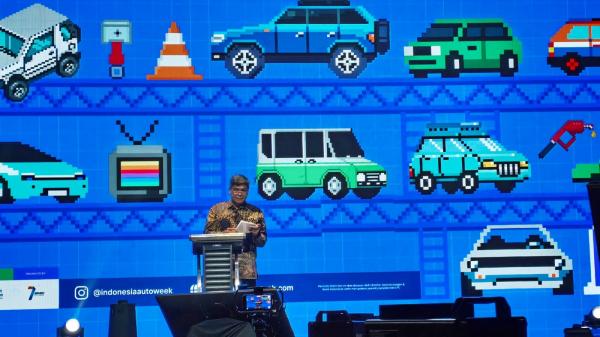
According to Putu Juli Ardika, General Chairman of Gaikindo, the distinction between these two flagship events is intentional. Since its inception in 2022, which was carried out in collaboration with the Ministry of Industry (Kemenperin), GAW has remained focused on the commercial side of the automotive ecosystem. "If other exhibitions like GIIAS are perhaps more focused on introducing technology and new types of automotive innovations, GAW is laser-focused on automotive sales," Ardika stated during a press conference in Jakarta on November 9, 2026. This tactical separation ensures that both events serve distinct purposes: one to build brand equity and technological awareness, and the other to solidify market share and clear inventory.
Chronology and Market Context
The journey toward the 2026 growth figures did not happen in isolation. The Indonesian automotive sector faced a challenging environment in the post-pandemic era, characterized by supply chain disruptions and fluctuating raw material costs. However, the consistent implementation of government policies, including tax incentives for locally produced vehicles and the push for electric vehicle (EV) adoption, has played a critical role in stabilizing the market.
The following timeline highlights the strategic progression of Gaikindo’s market interventions:
- 2022: Gaikindo, in coordination with the Ministry of Industry, officially initiates the first Gaikindo Auto Week to serve as a high-intensity sales hub.
- 2023–2024: The industry navigates global economic headwinds. Gaikindo expands its promotional efforts, focusing on domestic manufacturing localization.
- Early 2025: Market data indicates a cooling period, prompting manufacturers to rely more heavily on tactical sales events to maintain momentum.
- 2026 (Jan–Oct): The industry records a sharp rebound with 760,476 units sold, bolstered by improved consumer purchasing power and a broader range of affordable vehicle options, including hybrid and electric models.
- November 2026: The nationwide rollout of GAW 2026 begins across ten major cities, marking the final major push for the year.
Economic Implications of the Sales Surge
The 35.5 percent growth rate is a bellwether for the broader Indonesian economy. As a labor-intensive industry, the automotive sector’s performance directly impacts employment levels, secondary industries such as component manufacturing, and the logistics sector. The shift toward higher volume sales suggests that consumer confidence has returned to pre-pandemic levels.
Analysts suggest that several factors have contributed to this sustained growth:

- Financial Accessibility: More competitive financing rates offered by automotive lenders, particularly during event-based promotions like GAW.
- Product Diversification: The influx of affordable EVs and fuel-efficient hybrid vehicles has attracted a new demographic of buyers who were previously hesitant to switch from combustion engines.
- Infrastructure Development: The expansion of toll road networks across Java and Sumatra has increased the utility of private vehicles, thereby driving demand in regions outside of the Jakarta metropolitan area.
Supporting Data and Industry Outlook
While the wholesale figures (factory-to-dealer) are strong, industry stakeholders are closely monitoring retail sales (dealer-to-consumer) to ensure the growth is sustainable. The success of GAW 2026 is critical in ensuring that the stock levels at dealerships do not become stagnant as manufacturers prepare for the 2027 product cycles.
The decision to hold the event in ten cities is also a move toward decentralization. Historically, the automotive market in Indonesia has been heavily skewed toward the Greater Jakarta area (Jabodetabek). By distributing the exhibition to secondary cities, Gaikindo is effectively tapping into the rising middle-class purchasing power in regional hubs, which have shown significant interest in commercial vehicles and family-oriented SUVs.
Official Responses and Future Projections
The partnership between Gaikindo and the Ministry of Industry remains the bedrock of these initiatives. Government officials have consistently reiterated that the automotive industry is a pillar of the "Making Indonesia 4.0" roadmap. By fostering an environment where consumers are encouraged to purchase, the government aims to keep the manufacturing lines running at optimal capacity, which in turn attracts further foreign direct investment (FDI) into the local battery and chassis manufacturing sectors.
"The current momentum is strategic," added Ardika. "We are not just selling units; we are maintaining the health of an entire industrial value chain that supports hundreds of thousands of jobs."

Looking ahead, the industry is expected to face challenges related to the global energy transition. As Indonesia positions itself as a global hub for EV battery production, the role of local sales events like GAW will likely evolve to include more education on green technology. However, for the remainder of 2026, the priority remains clear: leveraging the current economic tailwinds to close the year with record-breaking results.
Analytical Perspective: The Road Ahead
The success of the GAW 2026 model provides a blueprint for how industry associations can collaborate with the government to manage market cycles. By providing a platform that emphasizes immediate sales, Gaikindo effectively cushions the industry against seasonal fluctuations.
However, the industry must remain cautious. While the 35.5 percent increase is impressive, long-term stability depends on the continuous improvement of the national charging infrastructure for EVs and the ability of the banking sector to maintain healthy credit growth for automotive financing. Should these variables remain stable, the outlook for 2027 remains cautiously optimistic.
In summary, the Gaikindo Auto Week 2026 serves as both a reflection of the current vitality of the Indonesian automotive market and a calculated maneuver to ensure that this growth is not fleeting. By bringing the showroom experience to ten major cities, the industry is not merely chasing year-end quotas, but actively engaging with a diverse and growing consumer base across the archipelago. As the data from the final quarter of 2026 begins to crystallize, the industry remains poised to conclude the year as one of the most successful in its recent history.