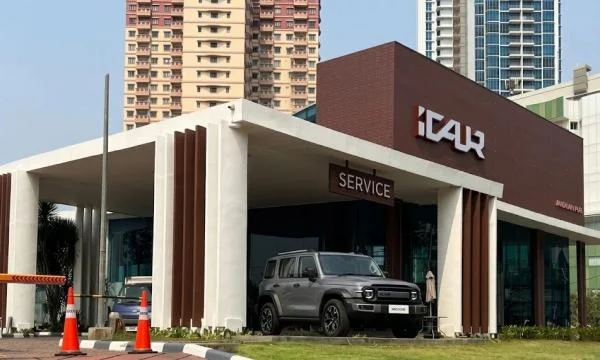
iCar, the emerging Chinese automotive powerhouse, has officially announced a strategic roadmap to establish a robust footprint in the Indonesian market, targeting the operation of 30 dealerships across the archipelago by the conclusion of 2026. This aggressive expansion strategy is designed to provide comprehensive sales and after-sales support for the brand’s rapidly growing electric vehicle (EV) lineup, most notably the iCar V23 and V27 SUV models. By solidifying its physical presence in major urban centers, the company aims to alleviate consumer anxiety regarding maintenance and vehicle accessibility, which remain critical barriers to widespread EV adoption in Southeast Asia’s largest economy.
A Strategic Pivot Toward Network Expansion
The automotive sector in Indonesia is currently undergoing a structural shift as the government incentivizes the transition from internal combustion engines (ICE) to electric vehicles. iCar, positioning itself as a key player in this transition, recognizes that hardware quality alone is insufficient to win over the discerning Indonesian consumer. The decision to scale up to 30 service centers by 2026 is a calculated move to build long-term brand trust.
According to Country Director of iCar Indonesia, Yuri Yin, the expansion of the dealer network is the cornerstone of the company’s commitment to providing a holistic ownership experience. "Our goal is not merely to sell vehicles, but to ensure that every customer enjoys a seamless experience from the moment they walk into our showroom to the routine maintenance of their vehicle," Yin stated. This philosophy underpins the company’s "3S" model—Sales, Service, and Spare parts—which ensures that the entire lifecycle of the vehicle is managed through authorized channels.
Infrastructure Milestones and Operational Capabilities
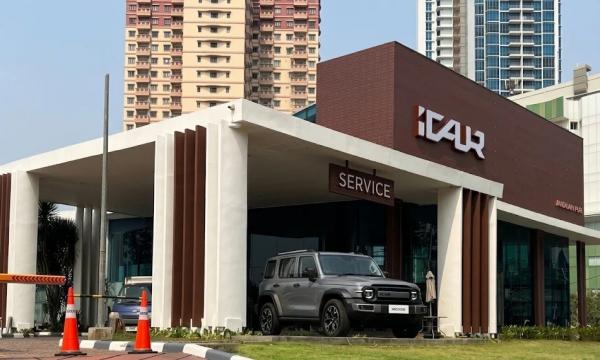
The expansion drive is already yielding tangible results. Following the successful launch of the 3S ADM Hasyim Ashari facility, iCar recently inaugurated the 3S Andalan Puri dealer in Jakarta. This facility serves as a blueprint for the company’s future network development.
The Andalan Puri location boasts a high-capacity showroom capable of displaying up to 10 vehicle units simultaneously, catering to potential buyers who wish to experience the V23 and V27 models firsthand. Beyond the showroom floor, the facility is equipped with specialized technical infrastructure designed specifically for electric powertrains. The service center features two indoor service work bays and two outdoor quick service bays. This configuration allows for a throughput of approximately eight vehicles per day, providing a baseline of efficiency that iCar plans to replicate or expand upon as it enters new provinces.
The Role of iCar V23 and V27 in Market Penetration
The timing of this expansion coincides with the initial rollout and delivery phase of the iCar V23 and V27 models. These vehicles are central to iCar’s strategy to capture the mid-to-high-end EV segment in Indonesia. The V23, characterized by its rugged aesthetics and advanced battery technology, is being positioned as a versatile vehicle for both urban commuting and weekend excursions, while the V27 targets the tech-savvy demographic looking for efficiency and compact design.
By synchronizing the delivery of these models with the opening of new service centers, iCar is attempting to avoid the common pitfalls faced by other new entrants who focus heavily on sales volume without establishing an adequate technical support infrastructure. This proactive approach is expected to minimize the downtime for early adopters, thereby fostering positive word-of-mouth—a critical marketing asset in the Indonesian automotive market.

Economic and Industry Context: The EV Landscape in Indonesia
Indonesia’s automotive market is the largest in the ASEAN region, with annual sales frequently exceeding one million units. However, the penetration of Battery Electric Vehicles (BEVs) remains in the early growth stage. The government has set ambitious targets to reach a significant percentage of EV production by 2030, leveraging the country’s vast nickel reserves to attract global battery manufacturers.
iCar’s investment comes at a time when competition among Chinese automotive brands in Indonesia is intensifying. Companies such as Wuling, BYD, Chery, and Great Wall Motor are all vying for market share, often engaging in price wars and aggressive marketing campaigns. In this competitive landscape, iCar’s focus on service network density offers a unique value proposition. By ensuring that spare parts are readily available and that technicians are trained to international standards, iCar is effectively addressing the "fear of the unknown" that persists among potential EV buyers who are transitioning from traditional fuel-powered vehicles.
Implications for the Future of Automotive Retail
The shift toward a 3S model across 30 locations represents a significant capital expenditure for iCar, indicating a long-term commitment to the Indonesian market. Analysts suggest that this strategy will have three primary implications for the industry:
- Setting a Quality Standard: By forcing a high standard for service bays and showroom experiences, iCar is raising the bar for other new entrants, potentially leading to a more mature and consumer-friendly automotive retail environment.
- Technician Training and Employment: The expansion will necessitate the hiring and training of hundreds of skilled automotive technicians. This contributes to the local economy by creating high-value jobs and fostering a workforce capable of handling sophisticated EV diagnostic equipment.
- Consumer Trust as a Currency: In a market where vehicle resale value is highly dependent on the availability of official service centers, iCar’s investment in infrastructure acts as an insurance policy for its customers. A robust dealer network significantly enhances the residual value of the vehicles, making them more attractive to second-hand buyers and, consequently, more desirable for the primary buyer.
Challenges Ahead
Despite the ambitious roadmap, the path to 2026 is not without obstacles. The primary challenge lies in the geographical distribution of the planned dealerships. While Jakarta and major cities in Java are the logical starting points due to the high density of EV chargers and affluent consumers, expanding to the outer islands will require a more sophisticated logistics chain for spare parts.

Furthermore, the stability of the power grid and the continued expansion of public charging infrastructure remain variables outside of iCar’s direct control. To mitigate these risks, iCar is likely to continue collaborating with state-owned enterprises and private entities to ensure that their dealerships are integrated into the broader national charging ecosystem.
Conclusion
The announcement by iCar to establish 30 dealerships in Indonesia by the end of 2026 is more than a simple business expansion; it is a declaration of intent to become a household name in the Indonesian EV market. By prioritizing service infrastructure alongside vehicle delivery, the company is positioning itself as a reliable partner in the nation’s energy transition.
As the automotive sector in Indonesia continues to evolve, the ability of brands like iCar to maintain this momentum will depend on their agility in navigating local regulations, their success in training a specialized workforce, and their consistency in delivering a premium customer experience. For now, the automotive industry and consumers alike will be watching closely as the company breaks ground on its next set of facilities, marking another chapter in the rapidly accelerating story of electric mobility in Indonesia. With the V23 and V27 leading the charge, iCar is set to test whether a service-first, brand-centric approach can truly redefine the automotive ownership experience in the archipelago.