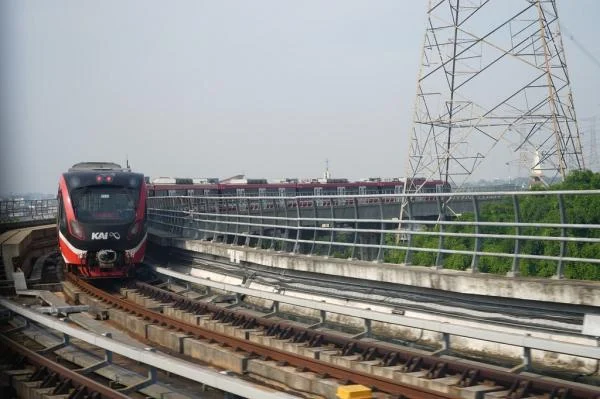
The Jabodebek Light Rail Transit (LRT) system has recorded a substantial surge in the number of misplaced personal belongings within its network, with official data indicating a 76.2 percent increase in lost items between January and October 2026. This trend, while indicative of the growing reliance on mass transit in the Greater Jakarta area, highlights the operational challenges faced by transport authorities in managing passenger logistics and security in an increasingly busy transit environment.
According to the latest figures released by the operator, the total volume of items left behind at stations and on board the train sets reached 9,873 during the first ten months of 2026. This marks a stark contrast to the 5,602 items recorded during the same period in 2025. The rise in lost property correlates directly with the steady growth of ridership across the network, reflecting the expanding role of the LRT Jabodebek as a vital artery for daily commuters.
The Correlation Between Ridership Growth and Lost Property
The increase in misplaced items is not an isolated phenomenon but rather a secondary effect of the system’s success in attracting a larger passenger base. During the period of January through October 2026, the LRT Jabodebek facilitated travel for 27,693,123 passengers. This represents a 17.6 percent increase compared to the 23,549,818 passengers served during the corresponding timeframe in 2025.
Industry analysts observe that as urban transit systems approach peak capacity, the likelihood of passenger distraction increases. With the system becoming a primary mode of transportation for millions of residents, the high frequency of stops, the rapid boarding and alighting processes, and the hustle of urban commuting contribute to the elevated frequency of forgotten bags, mobile devices, wallets, and personal documents.
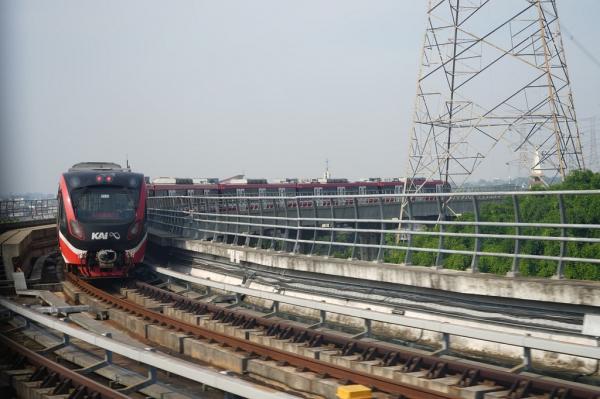
Efficiency in Recovery Operations
While the volume of lost items has seen a significant uptick, the LRT Jabodebek management has also reported a marked improvement in the recovery and return process. Out of the 9,873 items documented as lost, 4,729 items—or approximately 48 percent—have been successfully reunited with their rightful owners. This represents a substantial improvement in administrative efficiency, as the number of returned items for the same period in 2025 was 2,250.
The management attributes this success to the implementation of more robust logging systems and better coordination between station staff and security personnel. By streamlining the "Lost and Found" workflow, the operator has managed to keep pace with the influx of items, ensuring that security and operational protocols remain agile enough to handle the increased load.
Official Stance and Operational Strategy
Radhitya Mardika, the Manager of Public Relations for LRT Jabodebek, emphasized that the handling of lost property is not merely an administrative task but a core component of the company’s customer service strategy. In a formal statement released on November 13, 2026, Mardika noted that the company is committed to maintaining high standards of care for passenger property.
"The professional handling of lost items is an essential part of our commitment to provide a service that is attentive to the specific needs of our users," Mardika stated. "We understand that losing a personal item during a commute can be a significant source of distress. Our goal is to ensure that our recovery protocols are transparent, efficient, and accessible, effectively mitigating the inconvenience caused to our passengers."
This proactive approach is part of a broader initiative to bolster trust in the LRT system. As the network continues to expand—with new projects like the Manggarai-Dukuh Atas line already under construction—the operator aims to standardize these recovery protocols to ensure consistent quality across all current and future stations.

Chronology of Infrastructure and Service Expansion
The 2026 figures are best understood within the context of the rapid infrastructure development surrounding the Jabodebek transit network. The system, which has been under consistent expansion since its inception, is currently undergoing significant upgrades to improve connectivity:
- Mid-2025: The network sees a stabilization in daily operations, with ridership figures signaling long-term sustainability and a growing habit of public transit use among commuters.
- Late 2025: Strategic planning for future extensions, including the vital Manggarai-Dukuh Atas corridor, begins to take shape as a priority for urban mobility.
- August 2026: Political and administrative support for the expansion is solidified, with various government stakeholders, including figures like Pramono, advocating for increased investment and project acceleration.
- September 2026: Public announcements confirm that construction on the Manggarai-Dukuh Atas line is being fast-tracked, with a targeted completion date of August 2028.
- November 2026: Data reporting reflects the impact of these changes, revealing that as the system grows in size and usage, so too does the complexity of passenger management and logistical oversight.
Implications for Urban Mobility and Future Infrastructure
The statistical spike in lost property serves as a microcosm of the broader challenges facing Jakarta’s transit sector. As the system moves toward 2028, the projected completion of new lines will likely introduce an even higher volume of passengers into the network. This reality necessitates a shift in how transit operators utilize technology to assist in passenger safety and asset recovery.
Analysts suggest that future improvements could include the integration of AI-driven surveillance or real-time reporting features within the LRT Jabodebek mobile application. Such advancements would allow passengers to report lost items instantly and receive updates on the recovery status, further enhancing the user experience.
Furthermore, the focus on the Manggarai-Dukuh Atas line underscores the government’s intent to create a more integrated transit hub. By linking these critical nodes, the LRT Jabodebek is expected to handle significantly higher traffic, making the current efforts to refine internal processes—such as those dealing with lost property—an essential precursor to handling the expected scale of operations.
Conclusion and Looking Forward
The data from the first ten months of 2026 reveals a system in transition. While the increase in lost items presents a logistical challenge, the corresponding 76 percent increase in recovery efficiency demonstrates a resilient operational framework. As the LRT Jabodebek continues to evolve, the ability of management to maintain high service standards while scaling up infrastructure will remain the benchmark for success.
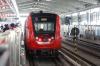
For the daily commuter, the rise in lost items serves as a reminder of the need for heightened vigilance during the busy rush hours. For the operator, the figures provide a roadmap for where to invest in staff training, technological upgrades, and communication strategies. As the city continues its push toward a more efficient, interconnected public transit future, the lessons learned from managing these daily operations will prove invaluable in ensuring that the LRT Jabodebek remains a reliable and trusted partner for the millions who rely on it to navigate the complexities of Greater Jakarta.
The ongoing commitment from management, as expressed by the public relations department, indicates that the operator is not just focused on the movement of trains, but on the security and peace of mind of the people riding them. As 2026 draws to a close, the focus will likely remain on maintaining this delicate balance between high-speed urban transit and high-quality human-centric service.