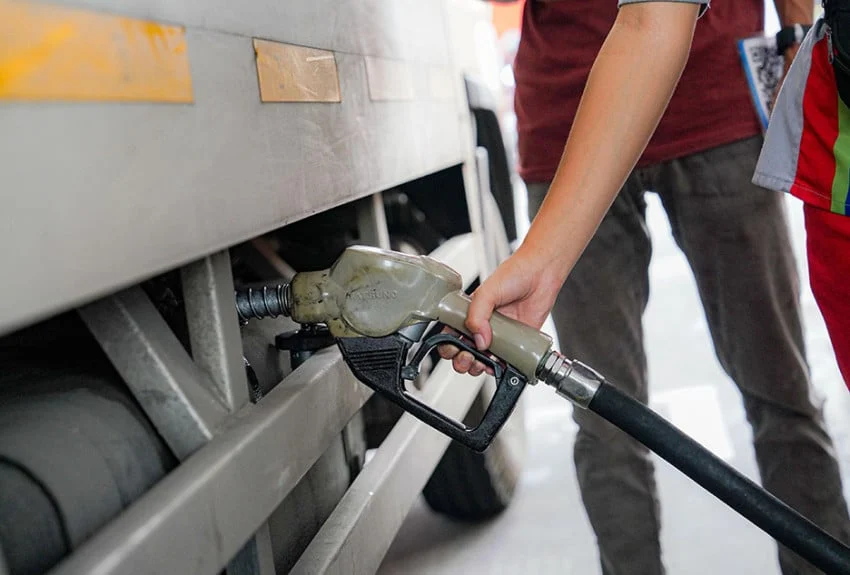
The recurring phenomenon of long queues at fuel stations in Sumatra and Kalimantan has sparked public concern regarding the stability of Indonesia’s national energy security. While images of heavy-duty logistics vehicles waiting in line for hours to access subsidized diesel (Solar) have become a common sight in these regions, energy experts suggest that these localized disruptions should not be reflexively interpreted as a symptom of a national supply crisis. Instead, analysts argue that the issue is multifaceted, involving complex logistical chains, regional distribution dynamics, and the critical need for stricter enforcement against illicit fuel diversion.
Deconstructing the Supply Chain Complexity
Ali Ahmudi Achyak, Executive Director of the Center for Energy Security Studies (CESS), emphasizes that the Indonesian government maintains a sophisticated, tiered mechanism for managing subsidized fuel quotas. This system operates from the national level down to individual regional distributors and specific gas stations (SPBU).
"When long queues appear, it is premature to conclude that there is a national fuel deficit," Achyak stated during a briefing on Tuesday, September 22, 2026. "We must analyze the entire ecosystem, starting from national reserves and regional terminals down to the specific fuel inventory at the pump. If national and regional stocks are reported as secure, the investigation must shift to the ‘last mile’ of the supply chain. We need to determine if the bottleneck is caused by logistical failures, transportation delays, or, more concerningly, the misappropriation of subsidized fuel for industrial or non-entitled use."
The distinction between a "supply shortage" and a "distribution failure" is critical. A supply shortage implies that the national inventory held by state-owned energy giant Pertamina is insufficient to meet demand. Conversely, a distribution failure suggests that while the fuel exists within the country’s storage tanks, it is not reaching the intended consumers in a timely manner.
The Geography of Vulnerability: Sumatra and Kalimantan
The geographic landscape of Indonesia plays a significant role in fuel distribution stability. Unlike Java, which benefits from a dense, highly developed multi-modal transportation network—including toll roads, rail, and multiple ports—Sumatra and Kalimantan face significant infrastructure challenges.
In these regions, reliance on road transport for fuel delivery is absolute. Any disruption—whether due to extreme weather, road damage, or port congestion—has an immediate and disproportionate impact on fuel availability at the retail level. Furthermore, the high concentration of logistics and mining activity in these regions creates a baseline demand for subsidized diesel that is significantly higher than in other parts of the country.
"When queues begin to interfere with the safety and operational efficiency of logistics drivers, we have to look beyond the volume of the quota," Achyak noted. "In regions with fragile connectivity, the system is less forgiving of errors. If the delivery schedule is interrupted by even a few hours, the impact on a busy SPBU can manifest as a multi-day queue."
Chronology of Recent Supply Disruptions
Over the past several months, reports of fuel queues have surfaced periodically across several Indonesian provinces.
- Early Q2 2026: Increased reports from South Sumatra highlighted challenges in keeping local SPBUs fully stocked during peak agricultural harvest seasons, which saw a surge in demand for diesel-powered machinery and transport.
- Mid-2026: In East Kalimantan, the rapid growth of the logistics sector—partly driven by infrastructure projects—led to localized scarcity. Pertamina regional offices responded by increasing delivery frequency, though this required adjusting transport logistics under tight time constraints.
- September 2026: A notable surge in public complaints in Makassar and parts of Kalimantan prompted official statements from Pertamina, acknowledging the pressure on regional services and pledging a "recovery" strategy to normalize fuel flow.
These incidents suggest a pattern where localized spikes in demand, combined with geographical limitations, create "hotspots" of scarcity that do not reflect the broader national energy picture.
Data-Driven Management and the Quota System
At the heart of the debate is the management of subsidized fuel quotas. Each SPBU is assigned a specific quota of subsidized fuel based on historical demand and regional projections. Managing these quotas requires a delicate balance. If a station sells its entire monthly quota in three weeks, it is forced to stop selling subsidized fuel, creating an artificial shortage until the next allocation period begins.
Experts argue that current quota management needs to be more dynamic. Rather than a static, monthly cap, regional distributors should utilize real-time data to shift supplies from areas with low demand to areas facing unexpected surges.
"Every SPBU has a responsibility to manage its quota so it lasts for the entire period," says Achyak. "However, the regulator must also ensure that this quota is not being diverted. There is strong evidence that some subsidized fuel is being illegally purchased by industrial entities that should be paying market rates. Every liter diverted to the black market is a liter taken away from the logistics drivers and small-scale fishermen who rely on these subsidies to survive."
The Shadow of Illicit Diversion
A major factor often overlooked in public discourse is the role of illicit diversion. Subsidized diesel is priced significantly lower than industrial-grade fuel. This price gap provides a massive incentive for organized criminal groups to "buy up" subsidized fuel from retail stations using modified vehicles with large hidden tanks.
This practice, known as penimbunan (hoarding), creates artificial scarcity at the pump. Even when a station is fully stocked according to its quota, it may appear empty because the fuel has been siphoned off by non-entitled users. Tackling this requires not just more fuel, but better surveillance at the point of sale.
Official Responses and Future Outlook
In response to the recent outcry, Pertamina has emphasized its commitment to strengthening the "recovery" of fuel services. This includes increasing the frequency of tank-truck dispatches to high-traffic areas and deploying monitoring teams to ensure that SPBU operators are not facilitating illegal sales.
However, industry observers maintain that short-term logistical fixes are only part of the solution. The long-term stability of fuel distribution in Sumatra and Kalimantan requires:
- Digitalization of Distribution: Expanding the use of digital tracking systems (such as the MyPertamina app) to ensure that only vehicles registered in the subsidy database can purchase fuel, thereby curbing the diversion of diesel to illicit industrial channels.
- Infrastructure Investment: Improving the capacity of regional fuel terminals to hold larger buffer stocks, allowing them to withstand temporary disruptions in the supply chain.
- Flexible Quota Allocation: Implementing a more responsive system that allows regional authorities to adjust quotas in real-time based on actual consumption patterns rather than historical averages.
- Strengthened Enforcement: Increasing penalties for SPBU owners found to be complicit in the sale of subsidized fuel to illegal intermediaries.
Broader Economic Implications
The implications of these fuel queues extend far beyond the inconvenience of the drivers. Because diesel is the lifeblood of the logistics industry, any delay in fuel access increases the cost of transporting goods. These costs are eventually passed on to consumers in the form of higher prices for essential commodities, including food and construction materials.
As Indonesia continues to pursue its ambitious national infrastructure and economic development goals, the stability of the energy supply chain remains a cornerstone of growth. The transition away from fossil fuel subsidies remains a long-term goal for the government, but until that transition is complete, the focus must remain on ensuring that the current system is transparent, equitable, and efficient.
In conclusion, while the sight of long queues remains a significant policy challenge, it serves as an indicator of a system under stress rather than a system in collapse. By addressing the regional distribution bottlenecks, tackling illicit diversion, and embracing more dynamic quota management, the government can stabilize supply and ensure that the vital logistics sector continues to move forward, regardless of the geographic challenges posed by the diverse Indonesian archipelago. The narrative of "scarcity" must be replaced by a narrative of "efficiency," ensuring that every drop of subsidized fuel reaches those who truly need it.