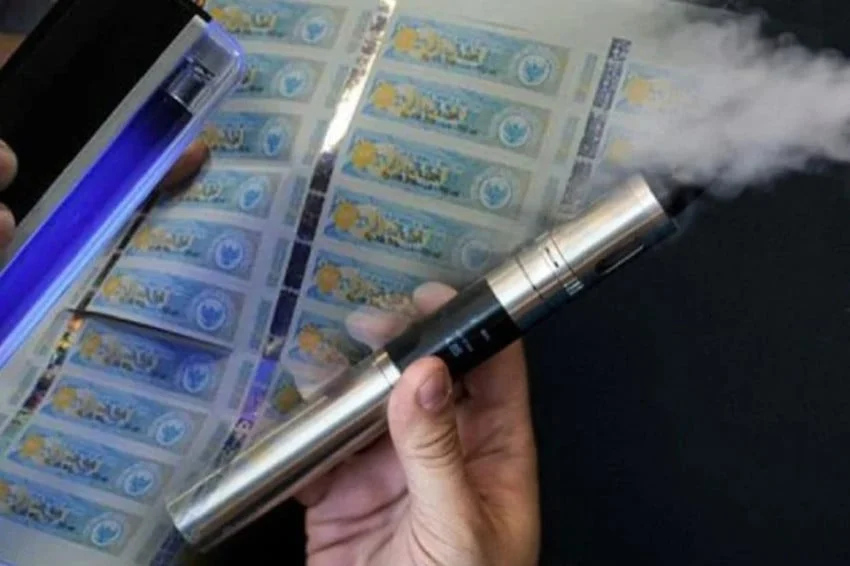
The National Narcotics Agency of Indonesia, commonly known as Badan Narkotika Nasional (BNN), has officially confirmed that electronic cigarettes, widely referred to as vapes, which circulate through legal channels and bear official excise tax stamps, are entirely free from illicit narcotics substances. This definitive statement serves as a crucial clarification amid mounting public concerns and misinformation surrounding the safety and regulatory compliance of modern vaping products. The official stance was highlighted following comprehensive laboratory analyses and collaborative intelligence monitoring conducted by forensic units under the agency’s jurisdiction.
In response to the declaration by BNN, key representatives from the national vaping industry association have expressed their unwavering commitment to maintaining stringent regulatory compliance. Industry leaders have pledged to work hand-in-hand with law enforcement and regulatory bodies to proactively prevent product tampering, curb the distribution of illicit substances, and safeguard the integrity of the domestic electronic nicotine delivery system (ENDS) ecosystem.
Forensic Findings and Laboratory Analysis
The official clarification was delivered by the Head of the Laboratory Center of BNN, Brigadier General Pol. Supiyanto, during a focused multi-stakeholder discussion addressing substance abuse trends. According to Brigadier General Supiyanto, extensive analytical testing performed on legally marketed vaping liquids consistently yields negative results for prohibited narcotics and psychotropic substances.
“Indeed, those products that are legal have never been found to contain narcotics,” Supiyanto stated, emphasizing the strict oversight applied to products meeting domestic manufacturing and distribution standards.
The laboratory center’s findings draw a sharp, undeniable distinction between regulated commercial entities and underground black-market operators. While legitimate manufacturers operate under strict supervision, adhering to standardized chemical formulations and registering their products with the Directorate General of Customs and Excise under the Ministry of Finance, illicit enterprises bypass all forms of quality control. Consequently, all documented cases involving vape cartridges laced with illegal substances—such as synthetic cannabinoids, marijuana derivatives, or other prohibited compounds—have exclusively originated from unverified, illegal products that lack proper taxation and regulatory certification.
The Broader Safety Debate: Nicotine vs. Illicit Additives
While BNN has cleared legal vaping products of containing illicit narcotics, public health experts and regulatory authorities continue to monitor the broader health implications associated with electronic nicotine delivery systems. The agency maintains that even nicotine-containing products that are legally distributed carry inherent health risks, particularly for underage users and non-smokers. However, the introduction of illicit narcotics into black-market vape liquids represents an escalating criminal threat that merges public health crises with organized drug trafficking.

Public health agencies and law enforcement divisions have noted a disturbing global trend where illicit actors exploit the popularity of discreet consumption methods. By dissolving synthetic drugs into vaping liquids, criminal syndicates attempt to evade detection by conventional law enforcement methods. The absence of excise tax stamps on these dangerous products remains the single most reliable indicator for consumers and authorities to identify potential safety hazards.
Collaborative Regulatory Framework and Inter-Agency Synergy
Addressing the multifaceted challenges posed by illicit vaping products requires robust cooperation among multiple government bodies and industry stakeholders. BNN has actively engaged with the Directorate General of Customs and Excise (Direktorat Jenderal Bea dan Cukai), the Indonesian Food and Drug Authority (BPOM), and authorized vaping industry associations to establish an integrated communication and enforcement network.
This cooperative approach aims to streamline intelligence sharing, track suspicious distribution channels, and crack down on clandestine laboratories producing adulterated liquids. Industry associations have implemented internal auditing mechanisms and educational campaigns to inform consumers about the dangers of purchasing unverified, untaxed products. By reinforcing the supply chain, legitimate businesses aim to protect their market share while ensuring that public safety remains paramount.
Economic Impact and the Legal Vaping Ecosystem in Indonesia
The Indonesian vaping sector has evolved into a significant economic contributor over the past decade, generating thousands of jobs across manufacturing, distribution, retail, and agricultural sectors—particularly in the cultivation and processing of domestic tobacco and flavoring extracts. The implementation of the excise tax system on electronic cigarettes has provided a steady stream of state revenue while establishing a formalized framework to monitor product standards.
However, the proliferation of unregulated, illegal imports and counterfeit domestic products threatens both the economic stability of compliant businesses and public safety. Industry analysts point out that high taxation on legal products can inadvertently drive vulnerable consumers toward cheaper, unregulated black-market alternatives if enforcement against contraband is lax. Therefore, BNN’s recent clarification serves dual purposes: it reassures consumers of the rigorous standards maintained by tax-compliant brands, and it refocuses law enforcement pressure squarely where it belongs—on illicit, untaxed operators.
Future Outlook and Preventive Strategies
Looking ahead, BNN and its institutional partners plan to expand public awareness campaigns targeting youth communities, educational institutions, and digital spaces. These initiatives are designed to educate the public on how to differentiate between legal, excise-stamped products and dangerous contraband. Furthermore, law enforcement agencies intend to leverage advanced digital tracking technologies and enhanced border controls to stem the inflow of illegal synthetic compounds frequently disguised as vaping liquids.
The ongoing dialogue between state regulators and industry leaders marks a proactive step toward a transparent, secure, and legally compliant market. As the landscape of alternative nicotine and tobacco products continues to evolve, the cooperation between government oversight bodies and commercial stakeholders will remain the cornerstone of consumer protection and public safety in Indonesia.