The Earth is often referred to as the "Blue Planet," a moniker justified by the fact that approximately 71 percent of its surface is covered by water. While the global population continues to expand, placing unprecedented strain on natural resources, the total volume of water on the planet remains remarkably constant. This equilibrium is maintained through the hydrological cycle, a complex, continuous, and dynamic process that moves water through the atmosphere, land, and oceans. Understanding this cycle is not merely an academic exercise; it is essential for climate modeling, agricultural planning, and managing the global water crisis.
The Mechanism of Global Water Circulation
The hydrological cycle, or the water cycle, describes the continuous movement of water on, above, and below the surface of the Earth. Driven primarily by solar energy and gravity, this process ensures that water transitions between solid, liquid, and gaseous states. The cycle is not a single, linear path but a series of interconnected reservoirs, including oceans, glaciers, groundwater, and the atmosphere.

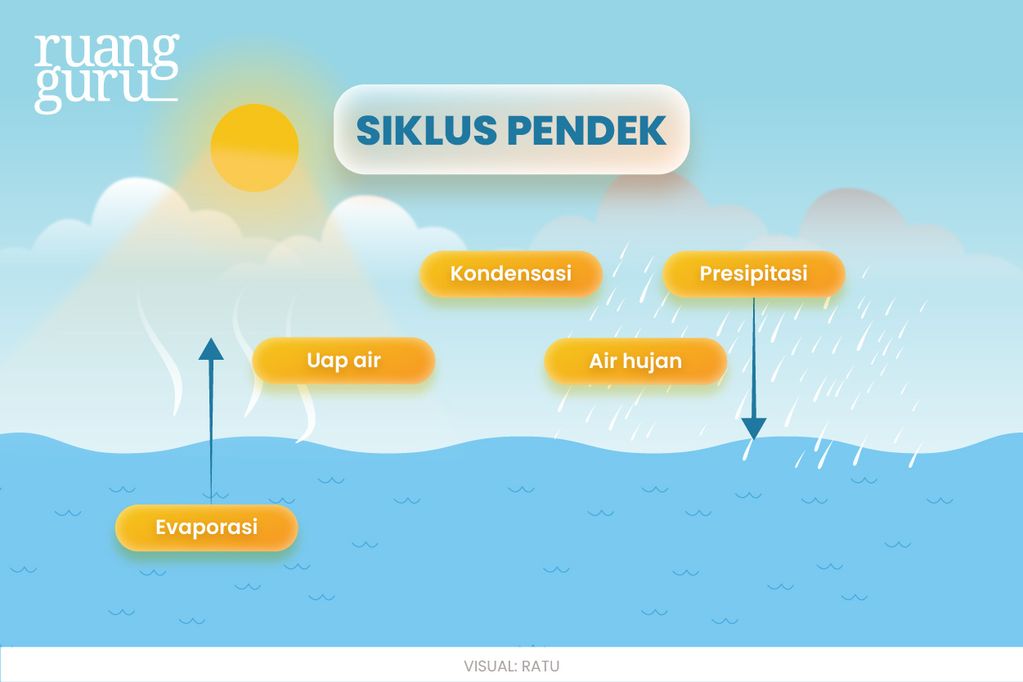
At its core, the cycle begins with evaporation, where solar radiation heats surface water—predominantly in the oceans—converting it into water vapor. As this vapor rises into the atmosphere, it cools and undergoes condensation, forming clouds. Eventually, through precipitation, this water returns to the surface as rain, snow, or hail. The efficiency of this cycle dictates the distribution of freshwater globally, influencing ecosystems and human civilization alike.
Chronology and Classification of Hydrological Processes
Hydrologists generally classify these movements into three distinct categories based on the scale and duration of the process.
The Short Cycle: Oceanic Precipitation
The short cycle is the most direct pathway for water replenishment. It occurs exclusively over oceanic surfaces. Solar energy triggers evaporation, followed by rapid condensation and precipitation back into the sea. This cycle is characterized by its speed and the lack of interaction with terrestrial geography. It serves as a vital regulatory mechanism for global sea temperatures and moisture levels.

The Intermediate or Medium Cycle: Continental Transfer
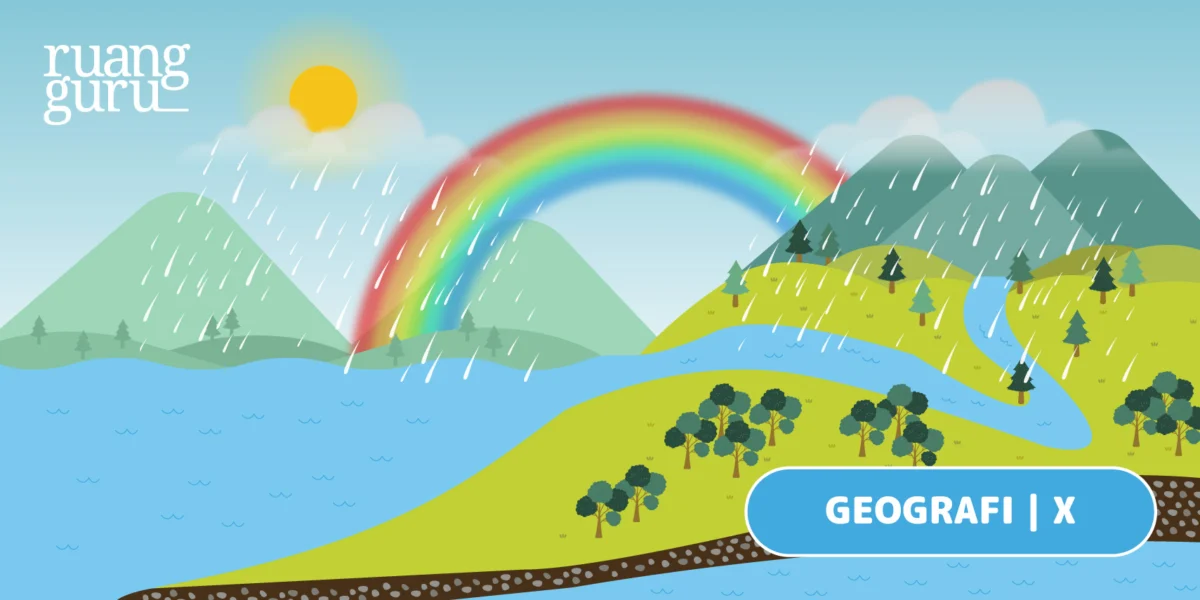
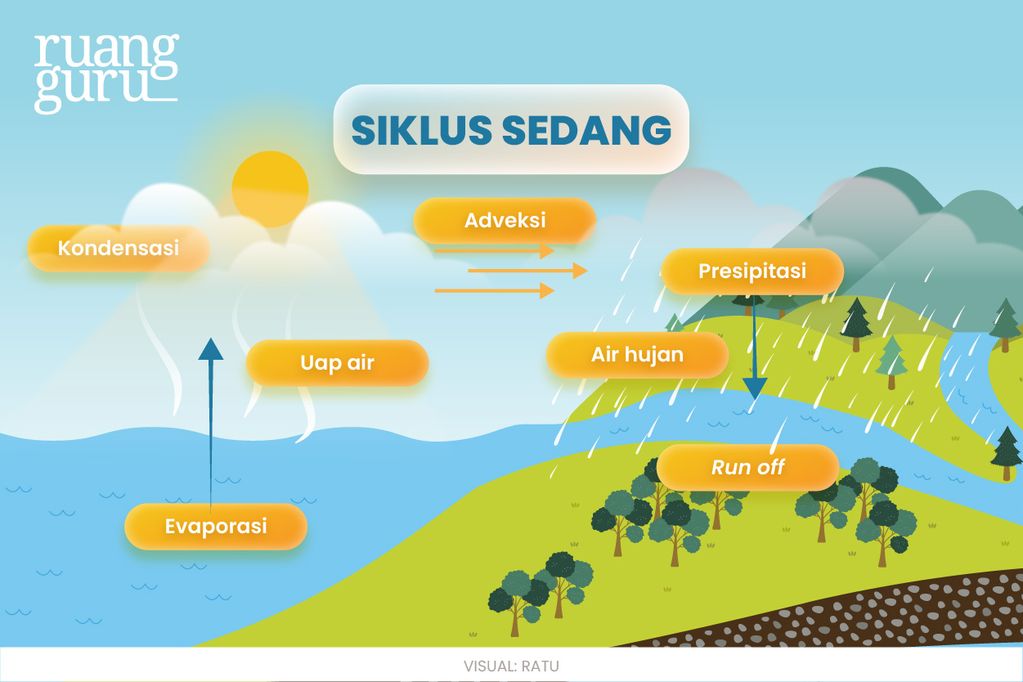
The intermediate cycle involves the transport of moisture from oceanic sources to continental landmasses. Following evaporation, atmospheric winds—a process known as advection—carry water vapor over land. Once condensation occurs, precipitation falls as rain or snow. Upon reaching the surface, the water may undergo "run-off," flowing through river systems back to the sea, or "infiltration," where it permeates the soil to replenish groundwater aquifers. This cycle is the primary driver of terrestrial life and agriculture.
The Long Cycle: Cryospheric and Geological Storage
The long cycle represents the most complex pathway. In this model, precipitation occurs in high-altitude or high-latitude regions, often manifesting as snow or ice. This water is effectively removed from the active cycle for extended periods, sometimes centuries, stored within glaciers or ice caps. The eventual melting of these reservoirs feeds rivers and subterranean systems, completing a cycle that operates on a geological rather than meteorological timescale.
Supporting Data and Environmental Context
Data provided by the United States Geological Survey (USGS) and international meteorological agencies highlight the fragility of the freshwater supply. While the Earth holds roughly 1.386 billion cubic kilometers of water, only 2.5 percent of that is freshwater. Of that fraction, nearly 70 percent is locked in ice caps and glaciers, and 30 percent exists as groundwater. Consequently, less than 1 percent of all water on Earth is accessible for human consumption in rivers, lakes, and streams.
The implications of this data are profound. Climate change is currently accelerating the hydrological cycle, leading to more intense precipitation events and prolonged droughts. According to the Intergovernmental Panel on Climate Change (IPCC), a warmer atmosphere holds more moisture, which disrupts the traditional timing and location of rainfall, threatening food security for billions of people.
Biological and Geomorphological Interactions
The hydrological cycle is significantly influenced by biological factors, most notably through transpiration. Plants absorb water from the soil and release it into the atmosphere through their leaves. This biological "pump" is essential for localized cooling and cloud formation. Furthermore, vegetation acts as a critical filter and regulator for surface run-off; deforestation reduces the soil’s ability to store water, leading to flash flooding and the depletion of groundwater tables.
Interception—the process by which foliage captures rainfall before it reaches the ground—also plays a vital role. In dense forest ecosystems, a significant portion of precipitation is evaporated directly from leaf surfaces, bypassing the soil entirely. This mechanism regulates the water balance of tropical rainforests, which are essential for maintaining global moisture circulation.
Analysis of Human Impact and Sustainability
The fundamental stability of the water cycle does not grant humanity immunity from water scarcity. While the total volume of water remains constant, the availability of clean, potable water is dwindling due to pollution, over-extraction of aquifers, and urbanization.
Official responses from international bodies like the United Nations Water Agency emphasize that the management of "blue water" (rivers and lakes) and "green water" (soil moisture) is the primary geopolitical challenge of the 21st century. The concept of "water footprinting"—the total volume of freshwater used to produce goods and services—has become a standard metric for assessing industrial and agricultural sustainability. For instance, the production of a single kilogram of beef requires approximately 15,000 liters of water, illustrating how human consumption patterns can exert immense pressure on local hydrological systems.
Implications for Future Policy
The scientific consensus is that while the hydrological cycle is a resilient natural process, human intervention has introduced variables that threaten the cycle’s equilibrium. Increased surface temperatures lead to faster evaporation, which, while increasing total precipitation, often leads to uneven distribution. Some regions experience excessive flooding, while others face catastrophic desertification.

To mitigate these risks, experts advocate for "Integrated Water Resources Management" (IWRM). This policy approach promotes the coordinated development and management of water, land, and related resources to maximize economic and social welfare without compromising the sustainability of vital ecosystems. This involves restoring wetlands to act as natural sponges, implementing advanced irrigation technologies to reduce wastage, and protecting critical watersheds from industrial contamination.
Conclusion: The Responsibility of Stewardship
The hydrological cycle is a testament to the Earth’s self-sustaining capacity. It moves, purifies, and redistributes the most essential element for life. However, viewing the cycle as an infinite, indestructible system is a dangerous fallacy. As the global population grows and industrial demands intensify, the gap between water availability and demand continues to widen.
Recognizing the technical nuances of the hydrological cycle—from the rapid evaporation of the short cycle to the deep-time storage of the long cycle—is the first step toward effective stewardship. Protecting the natural processes that facilitate this cycle is not merely an environmental goal; it is a prerequisite for the continued stability and prosperity of human society. Policy, technology, and individual consumption habits must converge to ensure that the water cycle continues to support life on Earth for future generations. The balance of our planet depends on our ability to work within the parameters of this ancient, perpetual motion.