An ecosystem is defined as a complex, dynamic network consisting of a community of living organisms interacting in conjunction with the non-living components of their environment. Derived from the Greek term "oikos" (house) and "systema" (organized whole), the concept serves as the fundamental unit of ecological study. By examining the intricate relationships between biotic factors—such as flora, fauna, and microorganisms—and abiotic factors—such as solar radiation, climate, and geological formations—scientists can determine the health and stability of the biosphere. As global climate patterns shift, understanding these systems has become a priority for conservationists, policymakers, and environmental scientists worldwide.
The Foundational Components of Ecosystems
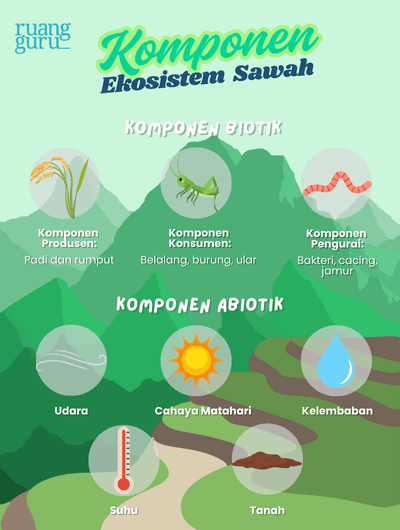
The functional integrity of an ecosystem relies on a precise balance between biotic and abiotic elements. Biotic components are categorized by their specific roles in the energy cycle: producers, consumers, and decomposers. Producers, primarily photoautotrophs like phytoplankton and terrestrial vegetation, utilize solar energy to synthesize organic compounds, providing the foundational energy source for the entire food web. Consumers—herbivores, carnivores, and omnivores—rely on these producers to sustain their metabolic processes. Finally, decomposers, including bacteria and fungi, act as the system’s recycling mechanism, breaking down organic matter into inorganic nutrients that return to the soil or water, thus facilitating the continuity of life.
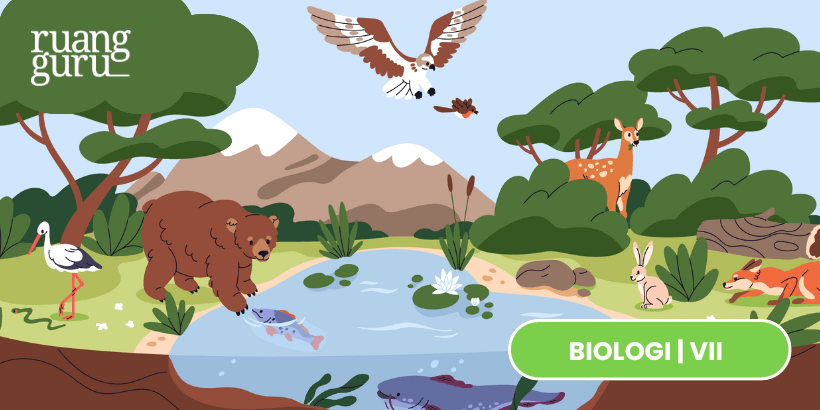
Abiotic components act as the physical and chemical framework that dictates which species can thrive in a specific habitat. Factors such as pH levels, salinity, thermal ranges, and the availability of essential gases like oxygen and nitrogen define the environmental constraints of an ecosystem. For instance, the high salinity of marine environments limits the survival of most freshwater species, creating a distinct biological divide between terrestrial, freshwater, and oceanic biomes.
Chronology of Ecological Science Development
The study of ecology as a distinct scientific discipline emerged in the late 19th century, though the observation of environmental interactions dates back to ancient naturalists. In 1866, Ernst Haeckel coined the term "Oekologie," establishing a formal framework for studying organisms in relation to their environment. By the 1930s, Sir Arthur Tansley, a British ecologist, introduced the specific term "ecosystem," arguing that the biotic and abiotic elements should be considered as a single, integrated physical system.
Throughout the 20th century, the discipline evolved from descriptive natural history to a quantitative science. The mid-20th century saw the integration of systems theory, allowing researchers to model energy flow and nutrient cycling with mathematical precision. Today, ecological research is heavily focused on the impacts of anthropogenic activity, such as rapid industrialization and climate change, which threaten the equilibrium of these historical systems.
Global Biodiversity and Economic Implications
Recent data from the Intergovernmental Science-Policy Platform on Biodiversity and Ecosystem Services (IPBES) highlights a critical reality: human activity has significantly altered 75% of terrestrial environments and 66% of marine environments. This widespread modification poses a direct threat to the ecosystem services upon which human economies depend. These services include water purification, carbon sequestration, pollination of crops, and climate regulation.
For example, tropical rainforests, which harbor more than 50% of the world’s terrestrial biodiversity, are currently losing coverage at an alarming rate due to agricultural expansion and deforestation. The loss of these ecosystems not only reduces global biodiversity but also exacerbates the greenhouse effect, as these forests act as vital carbon sinks. Analysis by economic think tanks suggests that more than half of the world’s total GDP is moderately or highly dependent on nature, implying that the degradation of ecosystem services represents a significant financial risk to global stability.
Classifying Earth’s Major Ecosystems
Ecosystems are generally bifurcated into natural and artificial categories. Natural ecosystems function independently of human intervention and are divided into aquatic and terrestrial biomes.

Aquatic Ecosystems
Aquatic environments occupy the majority of the planet’s surface. They are further divided into:
- Freshwater: Characterized by low salinity, these include lotic (flowing) systems like rivers and lentic (standing) systems like lakes and wetlands. They are essential for global freshwater supply.
- Marine: Covering approximately 70% of the Earth, these include the vast open ocean, coral reefs—which support 25% of all marine life—and estuaries, where river water meets the sea. Estuaries are among the most productive ecosystems, acting as nurseries for many commercially significant fish species.
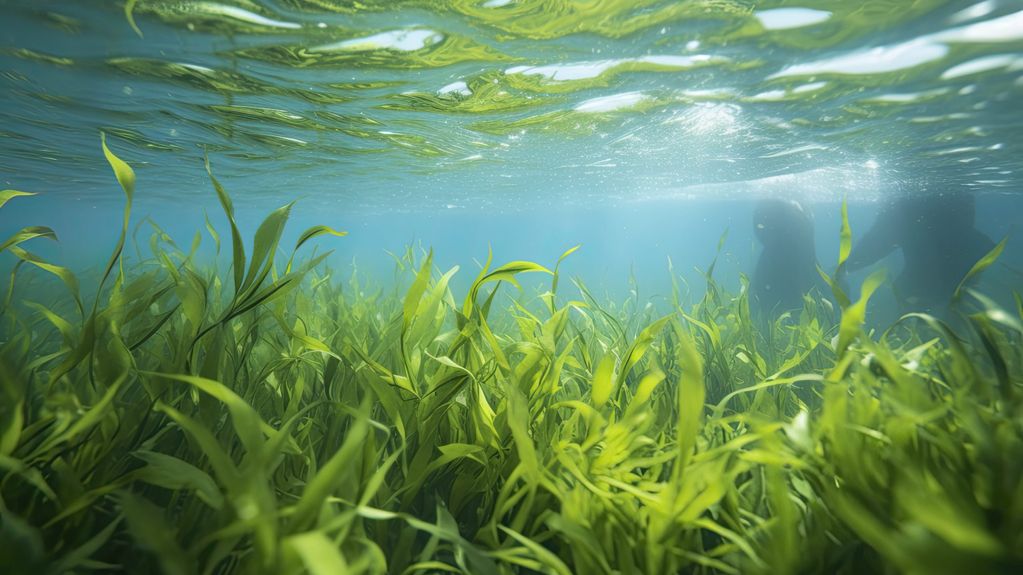
- Seagrass Meadows: Often overlooked, these underwater meadows play a crucial role in carbon sequestration, capturing carbon at rates significantly higher than terrestrial forests.
Terrestrial Ecosystems
Terrestrial systems are defined by their climate and vegetation patterns:
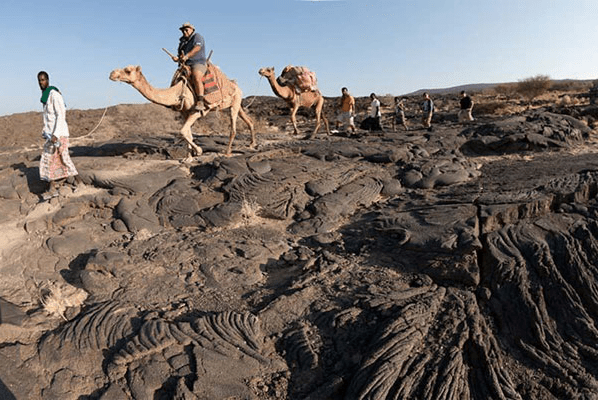
- Deserts: Characterized by extreme temperature fluctuations and limited moisture, these systems feature highly specialized flora and fauna.
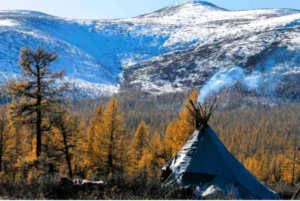
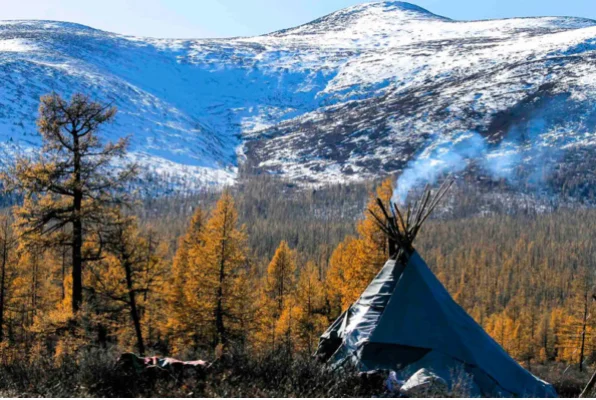
- Taiga (Boreal Forest): Located in northern latitudes, these forests are the world’s largest terrestrial biome, playing a massive role in global oxygen production and temperature regulation.
- Tropical Rainforests: Renowned for their high biodiversity, these regions operate under high precipitation and constant temperatures, allowing for complex, multi-layered biological structures.
- Tundra: Found in the Arctic and high-altitude regions, these ecosystems are fragile and particularly susceptible to warming temperatures, which cause the thawing of permafrost.
Artificial Ecosystems
These are engineered environments, such as agricultural fields, dams, and urban parks. While they serve human needs for food production and habitation, they often lack the resilience and biodiversity of natural systems, requiring constant external input—such as fertilizers, irrigation, and pest control—to remain productive.
Institutional Responses and Conservation Strategies
International organizations, including the United Nations Environment Programme (UNEP), have underscored the necessity of "Ecosystem-based Adaptation" (EbA). This strategy focuses on using biodiversity and ecosystem services to help people adapt to the adverse effects of climate change. Government responses have increasingly shifted toward the "30×30" goal—a global movement to protect 30% of the planet’s land and sea by 2030.
Conservation experts argue that the restoration of degraded ecosystems is as vital as the protection of existing ones. Restoring mangroves, for instance, provides a natural buffer against storm surges and coastal erosion while restoring fish stocks. However, critics point out that international agreements often lack the enforcement mechanisms necessary to prevent illegal logging and unregulated industrial fishing, particularly in developing nations where economic pressure often outweighs environmental considerations.
Analysis: The Path Forward
The resilience of an ecosystem is its ability to absorb disturbances and still retain its basic structure and function. Human-induced stress, ranging from chemical pollution to invasive species introduction, is testing the limits of this resilience. The core challenge for the 21st century lies in decoupling economic growth from environmental degradation.
The integration of advanced monitoring technology, such as satellite imagery and AI-driven ecological modeling, has provided scientists with unprecedented visibility into the health of remote ecosystems. This data is essential for informed decision-making. As the global population continues to expand, the preservation of these biological networks is not merely an environmental concern but a prerequisite for human survival, food security, and long-term economic prosperity. The consensus among the scientific community is clear: maintaining the integrity of our planet’s ecosystems is the most cost-effective and sustainable strategy for mitigating the risks of a rapidly changing world.