The legal battle involving public figure Nikita Mirzani has reached a definitive turning point after the Supreme Court of Indonesia officially rejected her application for a Case Review (Peninjauan Kembali or PK). This decision effectively exhausts the judicial avenues available to the defendant, cementing the six-year prison sentence previously handed down by the Jakarta High Court. The ruling marks the conclusion of a high-profile legal saga involving charges of extortion and money laundering centered on her interactions with medical aesthetician Dr. Reza Gladys.
The Supreme Court’s Decision and Procedural Status
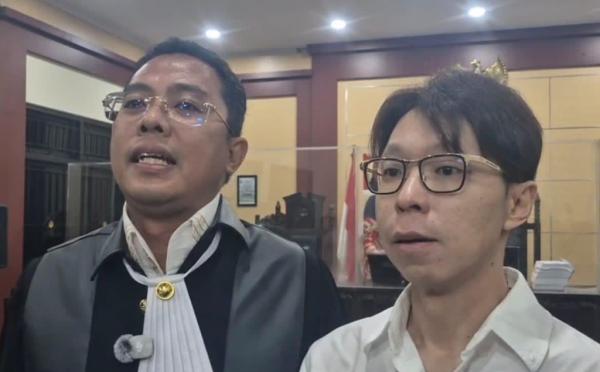
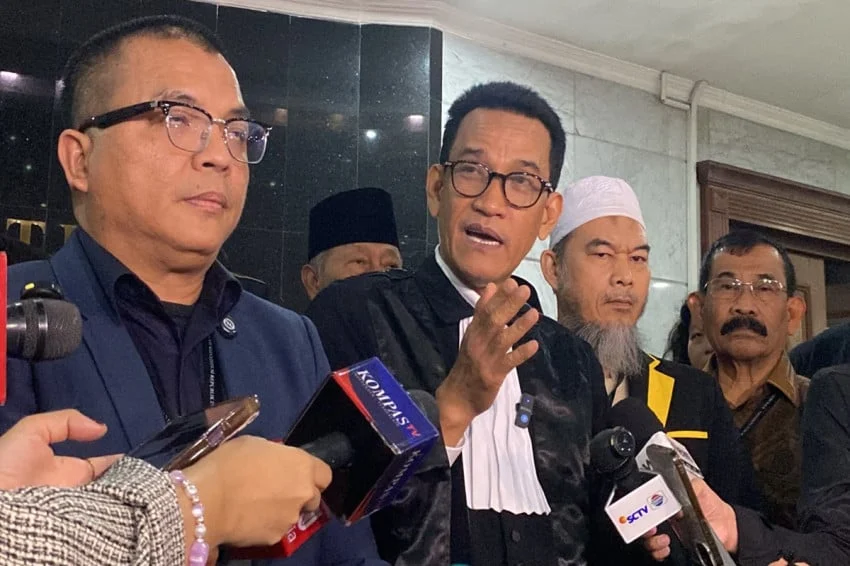
The confirmation of the rejection was made public through the Supreme Court’s Case Tracking Information System (SIPP). Julius Sembiring, the legal counsel representing Dr. Reza Gladys, formally confirmed the development during a media briefing on Sunday, September 27, 2026. According to Sembiring, the legal team is currently awaiting the formal written copy of the Supreme Court’s decision to review the specific legal considerations and evidentiary assessments used by the panel of justices to reach their conclusion.
"We have confirmed through the Supreme Court’s SIPP that the petition for a Case Review submitted by the convict Nikita Mirzani has been rejected," Sembiring stated. The rejection of a PK is a significant judicial event, as the Case Review process is considered an extraordinary legal remedy in the Indonesian legal system, typically reserved for instances where new, material evidence (novum) is presented or when there is a clear judicial error in previous rulings. With this avenue closed, the underlying conviction and the accompanying six-year sentence remain legally binding and enforceable.
Chronology of the Legal Proceedings
The case against Nikita Mirzani has traversed multiple tiers of the Indonesian judiciary, each resulting in varying interpretations of the evidence presented.
- Initial Verdict (District Court): In the primary stage of the trial, Nikita Mirzani was initially sentenced to four years of imprisonment. The court found her guilty of extortion but did not find sufficient evidence to uphold the charge of money laundering (Tindak Pidana Pencucian Uang/TPPU).
- Appellate Stage (Jakarta High Court): Dissatisfied with the initial verdict, the prosecution sought an appeal. The Jakarta High Court reviewed the case and delivered a more severe ruling. By overturning the lower court’s decision regarding the money laundering charges, the High Court determined that the evidence was sufficient to prove TPPU, subsequently increasing her sentence from four years to six years of incarceration.
- Cassation (Supreme Court): Following the increase in her sentence, Nikita Mirzani filed for cassation to the Supreme Court. The Supreme Court rejected this motion, upholding the High Court’s ruling of a six-year term.
- Final Appeal (Case Review/PK): As a last resort within the judicial system, the defense filed for a Case Review. The rejection of this motion on September 27, 2026, marks the finality of the judicial process.
The Scope of the Charges: Extortion and TPPU
The core of the legal dispute involves allegations of extortion and subsequent money laundering. The case gained significant public interest due to the involvement of Dr. Reza Gladys, a well-known figure in the beauty and skincare industry. The prosecution argued that Nikita Mirzani utilized intimidation tactics to extract funds, and the subsequent movement of those funds through various channels constituted money laundering under Indonesian law.
The inclusion of money laundering charges significantly elevated the complexity of the trial. In Indonesia, TPPU cases are treated with high priority by the judiciary, often resulting in stiffer penalties compared to simple extortion or fraud charges. The High Court’s decision to include the TPPU conviction was the pivotal moment that transformed the case from a localized legal dispute into a significant precedent-setting trial regarding the financial activities of public figures.
Potential Avenues for Clemency: The Role of Presidential Grace
Despite the exhaustion of judicial remedies, legal experts note that there remains a non-judicial path for those seeking a change in their sentencing: the petition for Presidential Grace (Grasi). Under Indonesian Law No. 22 of 2002, a convict may request clemency from the President of the Republic of Indonesia.
Legal practitioner Ricky Sitohang, speaking on the matter, emphasized that while the judiciary has spoken, the executive branch holds the power of mercy. "If the PK is rejected, there is only one path left: the request for grasi to the President," Sitohang noted. He clarified, however, that this is a political and humanitarian gesture rather than a legal one. The President has the authority to grant a pardon, reduce a sentence, or commute a sentence, provided the application meets the required criteria.
Whether Nikita Mirzani will pursue this route remains uncertain. Legal analysts suggest that the decision to file for clemency is often a strategic one, as it requires the applicant to acknowledge the finality of the conviction while appealing to the President’s discretion.
Broader Implications and Public Interest
The conclusion of this case underscores several broader issues regarding the intersection of celebrity, digital activity, and the law. The proceedings have highlighted the increased scrutiny of financial transactions conducted by public figures and the willingness of the Indonesian courts to apply anti-money laundering statutes to private interpersonal disputes that escalate into criminal acts.
Furthermore, the case has sparked ongoing public debate regarding the regulation of the beauty and skincare industry, particularly regarding business disputes that manifest in the public eye. As noted by observers, there are lingering questions regarding the business practices that initially triggered the conflict between the parties, suggesting that the fallout from this case may continue to have repercussions in the business community.
Future Outlook
For the Indonesian legal community, the rejection of the PK signifies the court’s stance on maintaining the integrity of the sentencing phase in complex fraud and TPPU cases. For Nikita Mirzani, the focus now shifts to the practical realities of serving the remainder of her six-year term.
As the legal teams prepare to study the written decision of the Supreme Court, the focus will likely remain on whether any further constitutional challenges could be mounted, although such actions are rare and generally do not suspend the execution of a sentence. For now, the verdict stands as a final chapter in a long-standing judicial process, leaving the defendant with limited options and highlighting the strict adherence of the Indonesian Supreme Court to the appellate decisions rendered by the lower courts in high-profile criminal matters. The case remains a testament to the rigorous, albeit lengthy, nature of the Indonesian criminal justice system.