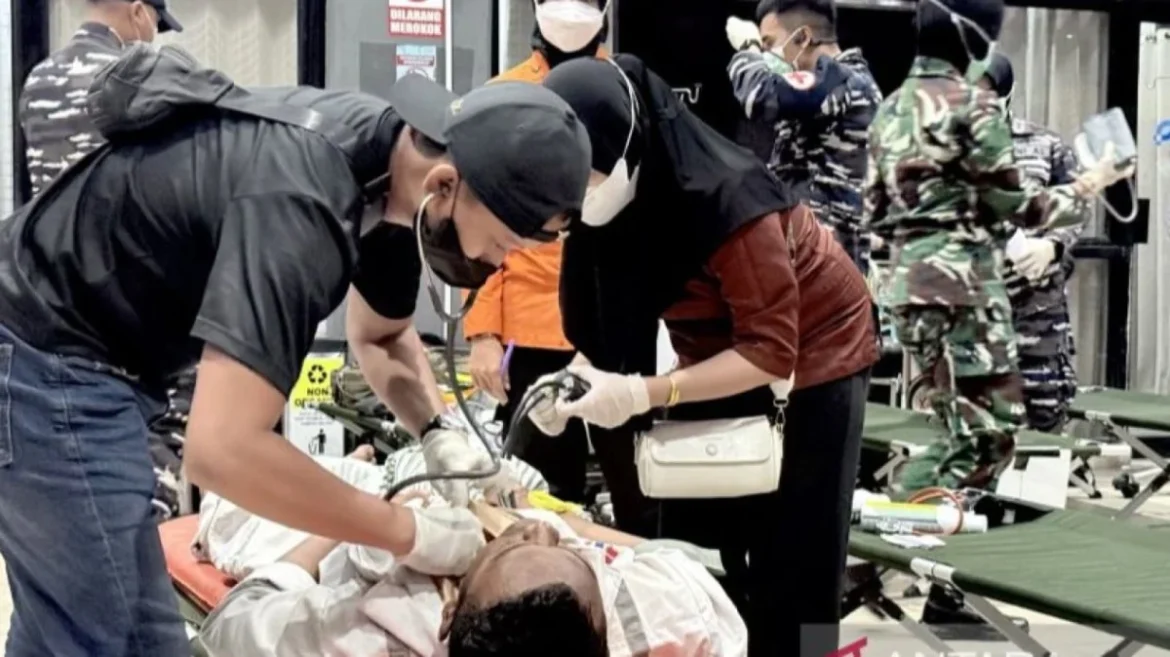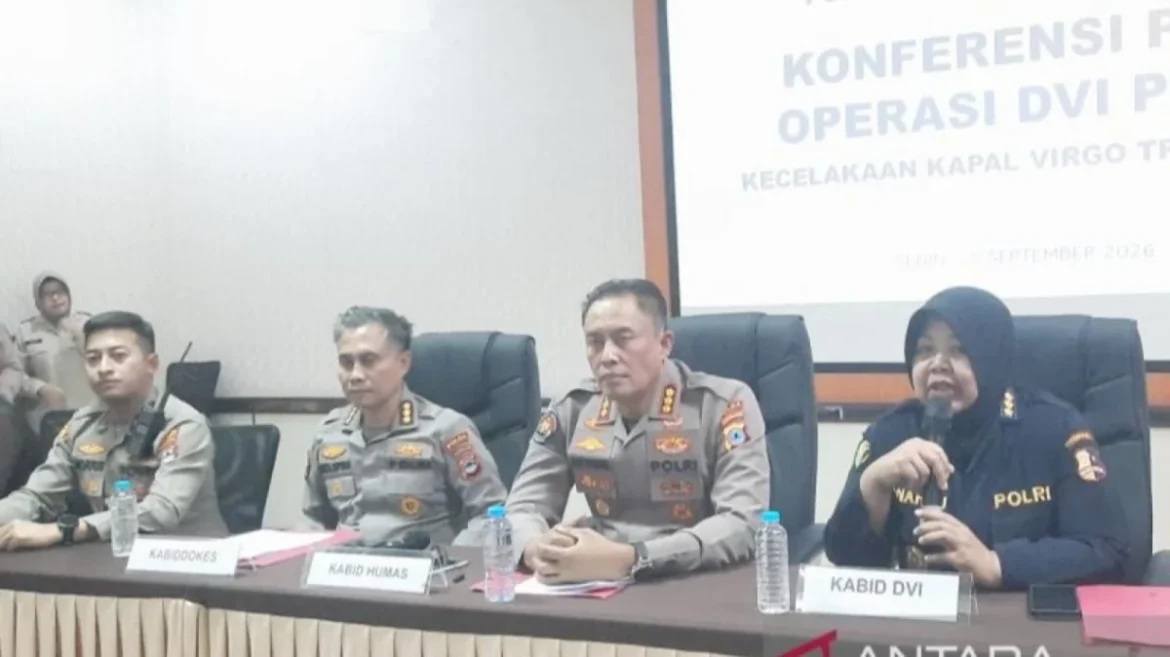
BANJARMASIN – Upaya identifikasi terhadap jenazah korban tragedi tenggelamnya KM Virgo Transport 8 di perairan Laut Jawa terus dipacu secara intensif di Rumah Sakit Bhayangkara, Banjarmasin, Kalimantan Selatan. Hingga Selasa, 29 September 2026, tim Disaster Victim Identification (DVI) dari Pusdokkes Polri dan Polda Kalimantan Selatan dilaporkan bekerja tanpa henti, bahkan mengoptimalkan operasional selama akhir pekan, guna memberikan kepastian bagi keluarga korban yang menunggu kabar duka tersebut.
Kepala Bidang DVI Pusdokkes Polri, Komisaris Besar Polisi Wahyu Hidayati, menegaskan bahwa komitmen tim untuk bekerja selama tujuh hari dalam seminggu merupakan respons atas desakan waktu dan kompleksitas kondisi jenazah yang ditemukan. Hingga Senin malam, 28 September 2026, tim medis berhasil mengidentifikasi 16 jenazah tambahan, sehingga total korban yang telah teridentifikasi secara resmi mencapai 41 orang dari total 70 jenazah yang telah disemayamkan di fasilitas tersebut.
Tantangan Teknis dalam Proses Identifikasi
Proses identifikasi dalam insiden maritim skala besar seperti yang dialami KM Virgo Transport 8 menghadapi tantangan forensik yang signifikan. Wahyu menjelaskan bahwa faktor paparan air laut yang berkepanjangan dan kondisi lingkungan di lokasi kejadian telah menyebabkan kerusakan fisik pada jenazah, yang membuat metode identifikasi konvensional seperti pengambilan sidik jari sering kali tidak dapat dilakukan.
Dalam menghadapi hambatan tersebut, tim DVI menerapkan standar operasional prosedur (SOP) internasional dengan menggunakan pendekatan multidisiplin. Metode yang diterapkan meliputi odontologi forensik atau pemeriksaan gigi, analisis ciri medis spesifik, serta verifikasi melalui barang bukti properti yang melekat pada tubuh korban saat ditemukan.
"Data antemortem yang dikumpulkan dari pihak keluarga menjadi kunci utama dalam proses pencocokan ini," ujar Wahyu. Properti, seperti dompet, kartu identitas yang tersimpan dalam wadah kedap air, tas selempang, hingga perhiasan atau jam tangan, sering kali menjadi petunjuk krusial dalam memvalidasi identitas korban, terutama ketika ciri fisik wajah sudah sulit dikenali oleh pihak keluarga.
Kronologi dan Data Terkini Operasi SAR
Berdasarkan manifes resmi, KM Virgo Transport 8 mengangkut total 243 orang, yang terdiri dari penumpang dan awak kapal. Tragedi ini memicu operasi pencarian dan pertolongan (Search and Rescue/SAR) berskala besar yang melibatkan berbagai instansi, termasuk Basarnas, TNI Angkatan Laut, serta unsur kepolisian perairan.

Hingga saat ini, perkembangan data evakuasi menunjukkan angka sebagai berikut:
- Total Manifest: 243 orang.
- Ditemukan Selamat: 108 orang.
- Ditemukan Meninggal Dunia: 71 orang.
- Masih Dalam Pencarian: 64 orang.
Operasi SAR saat ini difokuskan pada penyisiran sektor perairan yang diprediksi menjadi titik hanyut korban berdasarkan pemodelan arus laut. Basarnas telah mengerahkan seluruh aset yang tersedia di wilayah Kalimantan Tengah dan Kalimantan Selatan, termasuk helikopter HR-3601 untuk pemantauan udara dan kapal cepat untuk penyisiran permukaan. Area pencarian telah diperluas untuk mengantisipasi pergerakan jenazah atau korban selamat yang mungkin terbawa arus jauh dari lokasi tenggelamnya kapal.
Analisis Dampak dan Implikasi Keamanan Maritim
Tenggelamnya KM Virgo Transport 8 telah memicu diskusi luas mengenai standar keselamatan transportasi laut di Indonesia. Para pengamat transportasi maritim menyoroti bahwa insiden ini merupakan pengingat keras akan perlunya audit ketat terhadap kelaikan kapal penumpang, terutama yang melayani rute jarak jauh dengan risiko cuaca ekstrem di perairan terbuka.
Kementerian Perhubungan diperkirakan akan segera memulai investigasi mendalam melalui Komite Nasional Keselamatan Transportasi (KNKT) untuk menentukan penyebab utama kecelakaan. Fokus investigasi kemungkinan besar akan menyasar pada tiga aspek utama: kondisi teknis kapal sebelum keberangkatan, prosedur muatan yang sesuai dengan kapasitas, dan manajemen mitigasi risiko kru kapal saat menghadapi situasi darurat di tengah laut.
Dari sisi sosial, insiden ini memberikan beban traumatis yang mendalam bagi keluarga korban. Pendampingan psikososial telah disediakan oleh pihak pemerintah daerah di RS Bhayangkara untuk membantu keluarga melewati masa-masa sulit, terutama saat proses pengumuman identitas jenazah dilakukan.
Respon Pemerintah dan Langkah Selanjutnya
Pemerintah melalui Basarnas berkomitmen untuk tidak menghentikan pencarian sebelum batas waktu yang ditentukan oleh regulasi internasional terkait operasi SAR. "Kami mengerahkan seluruh unsur yang ada. Fokus utama saat ini adalah memastikan seluruh korban, baik yang selamat maupun yang meninggal, ditemukan dan dikembalikan kepada keluarga masing-masing," ungkap salah satu perwakilan Basarnas dalam sebuah pernyataan resmi.
Di sisi lain, proses penyerahan jenazah yang telah teridentifikasi dilakukan secara bertahap. Pihak kepolisian memastikan bahwa setiap proses pemulangan jenazah ke daerah asal akan difasilitasi oleh pemerintah daerah agar keluarga korban tidak terbebani oleh biaya logistik transportasi jenazah.

Keberhasilan identifikasi 41 korban hingga saat ini merupakan capaian signifikan bagi tim DVI. Namun, dengan masih adanya 29 jenazah yang belum teridentifikasi di rumah sakit dan 64 orang yang masih dalam status hilang, beban kerja tim SAR dan tim forensik diprediksi akan terus berlanjut dalam beberapa hari ke depan.
Meninjau Standar Keselamatan Pasca-Tragedi
Ke depannya, insiden ini diharapkan menjadi titik balik bagi perbaikan sistem manifes penumpang. Masalah ketidaksesuaian data penumpang sering menjadi kendala utama dalam operasi SAR dan proses identifikasi. Pemerintah didorong untuk mengimplementasikan sistem tiket elektronik berbasis biometrik yang lebih terintegrasi dengan data kependudukan nasional, sehingga data manifes yang tercatat di otoritas pelabuhan benar-benar mencerminkan jumlah orang yang berada di atas kapal.
Selain itu, edukasi mengenai penggunaan alat keselamatan bagi penumpang kapal feri perlu ditingkatkan. Banyaknya korban yang ditemukan dalam kondisi sulit dikenali menunjukkan betapa krusialnya kecepatan evakuasi dan kesiapan alat keselamatan di kapal.
Penutup
Situasi di RS Bhayangkara Banjarmasin saat ini masih diselimuti suasana duka. Tim DVI terus bekerja di balik layar, memadukan sains forensik dengan ketelitian administratif untuk memastikan setiap korban mendapatkan identitasnya kembali. Upaya pencarian oleh tim gabungan di perairan Laut Jawa juga tetap menjadi prioritas nasional, dengan harapan bahwa 64 orang yang masih hilang dapat segera ditemukan.
Masyarakat diharapkan tetap menunggu informasi resmi dari otoritas terkait dan tidak mudah percaya pada spekulasi yang beredar di media sosial. Fokus utama saat ini tetap pada kemanusiaan: memulihkan korban dan memberikan kepastian kepada keluarga yang ditinggalkan. Pemerintah berjanji akan memberikan pembaruan data secara berkala setiap hari hingga operasi pencarian dinyatakan selesai.
Dengan berlanjutnya proses ini, koordinasi antar instansi menjadi kunci efektivitas penanganan krisis. Seluruh elemen masyarakat diharapkan memberikan dukungan moril kepada para keluarga korban serta menghormati privasi dan proses hukum yang sedang berjalan terkait investigasi kecelakaan KM Virgo Transport 8 ini.