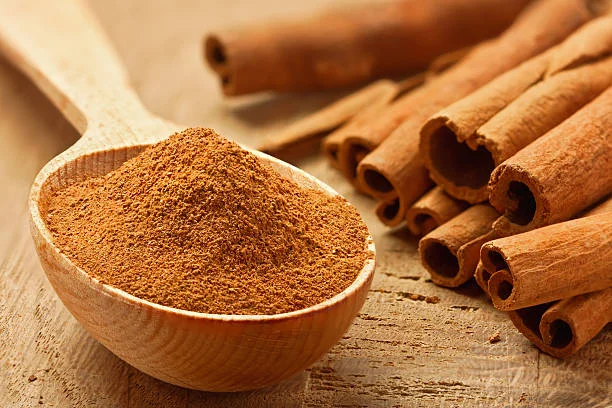
JAKARTA — The rising popularity of herbal remedies, jamu, and spice-based traditional beverages across Indonesia has highlighted a pressing public health concern: the lack of public awareness regarding safe consumption dosages. While botanical ingredients are widely perceived as entirely safe due to their natural origins, experts warn that unregulated intake can lead to severe health complications. Among the most popular yet potentially hazardous kitchen staples is cassia cinnamon, a spice valued globally for its distinct flavor and high economic worth, but one that harbors a hidden chemical threat when consumed without restraint.
At the center of this issue is coumarin, a naturally occurring organic compound found in high concentrations within certain varieties of cinnamon. According to health professionals, excessive and prolonged ingestion of coumarin can induce significant hepatotoxicity, leading to liver damage. As traditional wellness trends continue to surge in modern Indonesian households, pharmacologists and medical specialists are urging consumers and commercial manufacturers to adopt strict dosage controls to prevent chronic organ stress.
The Hidden Dangers of Cassia Cinnamon and Coumarin Toxicity
The culinary and medicinal landscape in Indonesia relies heavily on spices, with cinnamon serving as a cornerstone for both traditional remedies and modern culinary creations. However, not all cinnamon is chemically identical. The global market primarily circulates two major commercial varieties: Ceylon cinnamon (Cinnamomum verum) and Cassia cinnamon (Cinnamomum cassia). While Ceylon cinnamon contains negligible traces of coumarin, the more common and affordable Cassia variety boasts exceptionally high levels of the compound.
In professional pharmacological evaluations, coumarin functions as a natural anticoagulant and flavoring agent, but its metabolism places a heavy burden on the hepatic system. When introduced to the body in large quantities, the liver must work overtime to process the compound. Over time, this metabolic strain can trigger elevated liver enzymes, inflammation, and in severe cases, acute or chronic liver failure.
Addressing this risk in the capital, apt. Julian Afferino Taruna Vijaya, a prominent clinical pharmacist and pharmacologist, issued a stern warning regarding the unmonitored use of the spice. "Cinnamon containing coumarin can damage the liver if consumed in excessive amounts," Vijaya stated during a recent health seminar in Jakarta.
His remarks underscore a broader vulnerability within the Indonesian market, where herbal ingredients are routinely added to daily drinks, dietary supplements, and traditional tonics without standardized measuring tools or clear warning labels.
Recommended Dosage and International Safety Standards
Establishing clear consumption thresholds is vital for mitigating health risks associated with herbal supplements. According to toxicological assessments provided by international safety regulators, strict limits must be observed to protect vital organs from botanical toxicity.
Julian explained that the safe daily limit for Cassia cinnamon consumption among healthy adults with an average body weight of 60 kilograms is a maximum of two grams—equivalent to less than a single teaspoon per day. To put this into perspective, the German Federal Institute for Risk Assessment (Bundesinstitut für Risikobewertung, or BfR) has established a tolerable daily intake (TDI) threshold of 0.1 milligrams of coumarin per kilogram of body weight.
Because Cassia cinnamon can contain up to one percent coumarin by weight, consuming even a few grams beyond the recommended daily threshold can quickly push an individual past the BfR safety limit. This narrow margin between a therapeutic dose and a toxic dose is frequently overlooked by consumers who view heavy-handed spice usage as a sign of enhanced health benefits.
The danger is further magnified for vulnerable populations. Individuals with pre-existing liver conditions, pregnant women, and children are at a significantly higher risk of developing coumarin-induced hepatotoxicity. Furthermore, patients managing chronic conditions such as diabetes or cardiovascular diseases who routinely take prescription medications face additional risks. Because cassia cinnamon exhibits blood-thinning and blood-sugar-lowering properties, combining high doses of the spice with anticoagulant drugs (such as warfarin) or anti-diabetic medications can trigger dangerous pharmacological interactions, resulting in hypoglycemia or uncontrolled bleeding.
Medical Perspectives: Balancing Traditional Remedies with Modern Diagnostics
The cultural reliance on herbal remedies in Indonesia is deeply rooted in ancestral traditions. From warming ginger concoctions and clove oils to soothing mint teas and cinnamon-infused beverages, millions of Indonesians turn to natural remedies at the first sign of a cold, fatigue, or muscle ache. While these traditional practices offer genuine therapeutic benefits—such as anti-inflammatory and antioxidant properties—medical professionals stress that they should complement, rather than replace, evidence-based modern medicine.
Dr. Andi Khomeini Takdir Haruni, an internal medicine specialist, weighed in on the psychological and behavioral patterns surrounding herbal self-medication. Dr. Andi noted that while botanical products like cinnamon, clove oil, ginger, and mint are frequently relied upon by the public to alleviate early physical discomfort, the temporary comfort provided by the warming sensation of these remedies can create a false sense of security.
"The temporary relief or comforting warmth provided by traditional herbal mixtures should never be used as a justification to delay professional medical diagnosis and clinical treatment," Dr. Andi emphasized.
When individuals rely exclusively on self-prescribed herbal therapies to manage persistent symptoms, underlying systemic diseases—ranging from metabolic disorders to infectious diseases and early-stage organ dysfunction—can go undiagnosed until they reach advanced, critical stages. This diagnostic delay remains a major hurdle for public health officials striving to improve overall health outcomes across the archipelago.
Chronology of Herbal Health Integration and Regulatory Challenges
The intersection of traditional herbal medicine (jamu and phytopharmaceuticals) and modern healthcare has evolved significantly over the past decade in Indonesia.
Phase One: The Traditional Foundation
Historically, jamu culture operated within localized communities, where traditional healers (jamu gendong) prepared fresh, natural ingredients daily based on generational knowledge. Dosages were naturally regulated by the availability of ingredients and the immediate preparation of single servings.
Phase Two: Commercialization and Industrialization
As the pharmaceutical and food-processing industries expanded, herbal products underwent mass commercialization. Spices like cinnamon, turmeric, and ginger were ground into fine powders, packaged into capsules, or blended into instant sachets distributed widely across convenience stores and supermarkets. This industrial shift decoupled the consumer from the preparation process, erasing visual cues regarding the actual concentration and botanical variety of the plant material being ingested.
Phase Three: The Modern Regulatory Push
Recognizing the economic potential and public health risks of the herbal sector, government bodies—including the Indonesian Food and Drug Authority (BPOM) and the Ministry of Health—began tightening oversight. Collaborative initiatives, such as upcoming programs between organizations like the Association of Indonesian Herbal Medicine Practitioners (Formas) and the Ministry of Defense to bolster herbal health initiatives, aim to standardize safety protocols. However, grassroots consumer education regarding hidden chemical constituents like coumarin remains inconsistent.
Broader Implications for the Indonesian Herbal Market
The ongoing debate over coumarin toxicity in everyday spices carries profound implications for Indonesia’s domestic agricultural economy and its booming wellness industry. Indonesia is one of the world’s leading producers of cinnamon, cultivating vast plantations across regions like Kerinci in Jambi and parts of West Sumatra. The vast majority of commercially exported and domestically consumed Indonesian cinnamon is of the Cassia variety, prized for its robust flavor profile.
If public awareness campaigns regarding coumarin toxicity gain momentum, spice farmers and herbal product manufacturers may face increased pressure to diversify crops or clearly label product packaging to distinguish between Cassia and Ceylon varieties. Failure to adapt could lead to consumer apprehension, prompting a decline in domestic demand for certain spice-based health products.
Conversely, proactive adaptation—such as introducing clear dosage guidelines on packaging, promoting consumer education on safe daily limits, and encouraging the commercial cultivation of low-coumarin Ceylon cinnamon—can safeguard public health while sustaining the economic viability of the spice trade.
Conclusion and Recommendations for Consumers
As the wellness movement continues to champion natural, plant-based lifestyles, the adage that "natural does not automatically mean harmless" has never been more relevant. The case of cinnamon and its hidden coumarin content serves as a crucial reminder of the biochemical complexities underlying herbal remedies.
Health authorities recommend that consumers adopt a balanced, mindful approach to incorporating spices into their daily diets and wellness routines. Key preventive measures include:
- Verifying the specific variety of cinnamon being purchased (opting for Ceylon when high daily consumption is desired).
- Strictly adhering to the recommended daily threshold of two grams for Cassia cinnamon.
- Consulting healthcare professionals before combining high-dose herbal regimens with prescription medications, particularly for individuals managing chronic conditions like diabetes or cardiovascular disorders.
- Prioritizing professional medical evaluation for persistent symptoms rather than relying indefinitely on symptomatic relief from herbal concoctions.
Through informed consumer behavior, rigorous regulatory oversight, and transparent industry standards, Indonesia can successfully harmonize its rich heritage of traditional herbal medicine with modern safety science, ensuring that natural remedies continue to promote health without compromising vital organ function.