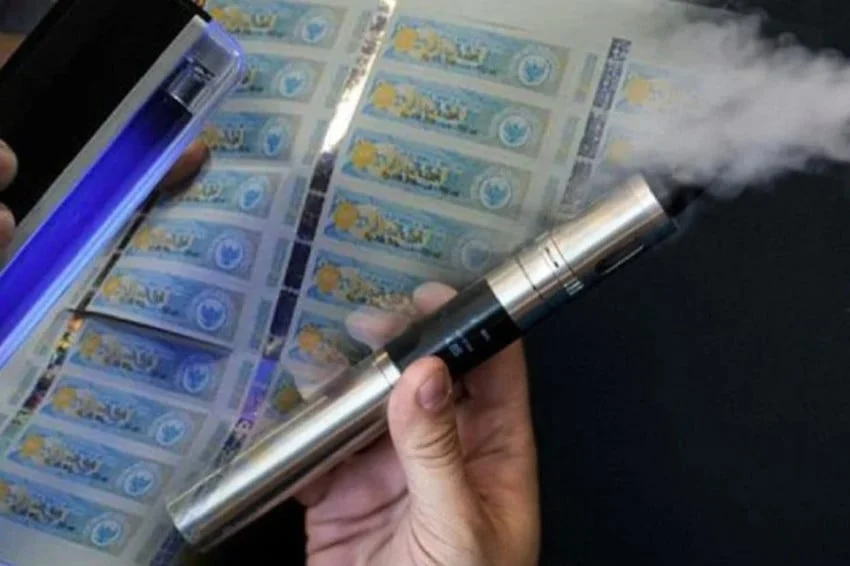
The National Narcotics Agency (BNN) has officially clarified that liquid nicotine products, or vapes, currently circulating within the legal framework—specifically those bearing official excise stamps—do not contain illicit substances. This authoritative statement, delivered by the Head of the BNN Laboratory Center, Brigadier General Police Supiyanto, serves as a crucial point of distinction between the regulated industry and the clandestine market of illicit substances often marketed under the guise of vaping products.
This clarification arrives at a pivotal time when public health concerns regarding the misuse of electronic nicotine delivery systems (ENDS) have reached a heightened state of awareness. By distinguishing between legally manufactured, tax-compliant products and black-market alternatives, the BNN aims to alleviate consumer confusion while simultaneously intensifying its crackdown on the illicit distribution of narcotics disguised as vape liquids.
The Distinction Between Legal Compliance and Illicit Activity
In a professional discourse held on Tuesday, September 22, 2026, Brigadier General Supiyanto emphasized that the BNN’s laboratory findings have consistently shown that legitimate, excise-stamped products are devoid of narcotics. "It is a fact that we have never found narcotics in products that are sold legally," Supiyanto stated. This assertion underscores the efficacy of the current regulatory oversight involving the Directorate General of Customs and Excise, which monitors the production, importation, and distribution of vaping liquids.
The issue, according to BNN, lies almost exclusively within the underground economy. Products that bypass excise regulations, lack proper labeling, or are sold through non-reputable channels are the primary vectors for contamination. In these instances, criminal actors often spike liquid nicotine with synthetic cannabinoids or other prohibited substances to induce psychoactive effects, knowingly endangering public health.
Chronology of Regulatory Oversight and Industry Evolution
The vaping industry in Indonesia has undergone significant transformation over the past decade. Initially an unregulated niche market, the government moved to formalize the industry by introducing excise taxation in 2018. This move was intended to bring the industry under the scrutiny of state authorities, ensuring that manufacturers adhere to product safety standards and tax obligations.
Since the formalization of the industry, the narrative surrounding vapes has been polarized between their use as a smoking cessation tool and concerns regarding youth consumption and health risks.
- 2018: The Indonesian government officially imposed a 57% excise tax on vape liquids, marking the beginning of formal regulatory oversight.
- 2020-2022: A period of increased laboratory testing by the BNN and the National Agency of Drug and Food Control (BPOM) to ensure that the chemical composition of e-liquids does not violate the Narcotics Law.
- 2024: Heightened enforcement measures against online sales of "custom" or "home-brew" e-liquids that were found to contain prohibited additives.
- 2026: The BNN reiterates its stance, emphasizing that the legal industry has successfully maintained its integrity regarding narcotics, while calling for continued vigilance against illicit imports and illegal manufacturing.
Data and Analytical Perspectives
The divergence between the legal market and the illicit market is supported by the regulatory architecture of Indonesia. Legal vape products are subject to stringent testing protocols mandated by the government, which include checks for heavy metals, diacetyl, and prohibited psychoactive compounds.
According to data from the industry associations, the number of businesses adhering to the excise system has grown steadily. This growth suggests that the majority of the market is trending toward compliance, as legitimate businesses recognize that the presence of illicit substances in their products would result in the immediate revocation of their operating licenses and severe criminal penalties.
Analytical experts note that the "black market" for vaping operates similarly to the illegal drug trade, often utilizing encrypted messaging platforms and anonymous online marketplaces to bypass law enforcement. Because these products lack an excise stamp, they are inherently untraceable, making it difficult for consumers to verify their origins or safety profiles. The BNN’s statement serves as a tool for public education: if a product does not possess the mandatory tax stamp, it should be considered inherently dangerous and potentially contaminated.

Industry Response and Collaborative Governance
In response to the BNN’s announcement, associations representing the vape industry have expressed strong support for the agency’s findings. Industry leaders have long argued that the criminalization of vaping by association with narcotics is detrimental to legitimate businesses that operate within the law.
"We are committed to maintaining the integrity of our ecosystem," stated a representative from a leading national vape association. "By working alongside the BNN, the police, and the Customs and Excise office, we aim to eliminate the bad actors who taint the reputation of our industry by peddling illicit substances."
This collaborative approach involves:
- Enhanced Information Sharing: Creating a direct communication channel between industry stakeholders and the BNN to report suspicious products or distribution patterns.
- Public Education Campaigns: Distributing educational materials at retail points of sale that explain the importance of the excise stamp as a safety seal.
- Self-Regulation: Implementing internal codes of conduct that prohibit the sale of any substance not approved by health authorities.
Broader Health and Social Implications
The implications of this issue extend beyond simple law enforcement; they are fundamentally tied to public health policy. The BNN’s confirmation that legal products do not contain narcotics helps clarify the debate surrounding the health effects of vaping. While the nicotine content in vapes remains a matter of health policy regarding addiction, the confusion between nicotine and illicit narcotics has often skewed public perception.
By separating these two distinct categories—legal e-liquids and illicit drug-laced concoctions—the government can better focus its resources. Law enforcement can concentrate on the criminal elements responsible for the illegal manufacturing of narcotics, while health agencies can focus on the long-term impact of nicotine usage and youth prevention strategies.
Furthermore, the economic impact of the legal vape industry cannot be ignored. The excise tax revenue generated by the industry contributes significantly to the state budget. Ensuring that the legal market remains free from the stigma of narcotics is essential for the economic stability of the thousands of workers, retailers, and distributors employed by the sector.
Future Outlook and Enforcement Strategy
Moving forward, the BNN plans to sustain its intelligence-gathering operations to identify and dismantle clandestine laboratories. The strategy will focus on three key pillars:
- Surveillance: Increased monitoring of raw chemical imports to ensure that precursors used for illicit drug manufacturing are not diverted into the vape liquid supply chain.
- Community Engagement: Encouraging the public to report any products that appear suspicious, lack proper packaging, or are sold at unusually low prices, which are often indicators of illicit manufacturing.
- Inter-Agency Cooperation: Strengthening the memorandum of understanding between the BNN, the Ministry of Health, and the Directorate General of Customs and Excise to ensure a unified front against illegal substances.
The BNN’s latest statement serves as a definitive boundary in the ongoing conversation about electronic cigarettes. It confirms that the regulated industry is operating within the legal parameters established by the state. However, it also acts as a stern warning: the threshold for criminal activity is clearly defined by the absence of legal compliance. Consumers are urged to exercise extreme caution, prioritize products that bear the official excise seal, and remain wary of any vaping products offered through non-standardized, illicit channels.
Ultimately, the goal is to foster an environment where the public can rely on official health and law enforcement data to make informed choices, while the state effectively neutralizes the criminal elements that pose a genuine threat to society. The BNN remains committed to this cause, signaling that the monitoring of the vape industry will remain a priority for the foreseeable future to ensure public safety is not compromised by the actions of a few illicit actors.