The buildup to the upcoming FIFA ASEAN Cup 2026 and dramatic developments in the domestic Super League competition completely captured the attention of Indonesian football enthusiasts throughout Monday, September 21, 2026. Dominating the VIVA Bola kanal as the most-read stories of the day, public discourse centered heavily on national team head coach John Herdman’s strategic preparations, tactical lineup predictions, and roster adjustments ahead of the regional tournament. At the same time, fiery reactions from fans and players alike regarding club fixtures in the Super League 2026/2027 season provided a gripping secondary narrative for sports fans nationwide.
As the calendar turns toward the end of September 2026, anticipation for international football has reached a fever pitch. The national team’s preparations have faced intense scrutiny and optimism in equal measure, particularly due to a blend of seasoned diaspora talents, fresh naturalized additions, and unexpected late call-ups. Meanwhile, domestic action continues to deliver high-stakes drama, highlighted by Persib Bandung’s narrow victory away from home and the ensuing controversies surrounding stadium facilities and player performances.
Strategic Preparations and Squad Composition Under John Herdman
The primary driver of readership on VIVA Bola involved exhaustive breakdowns of the 24-man squad selected by head coach John Herdman for the impending FIFA ASEAN Cup 2026 campaign. With Indonesia slotted into a highly competitive Group A alongside regional rivals Singapore, Malaysia, and Bangladesh, fans and analysts have dissected every aspect of the squad selection. The opening fixture against Singapore, scheduled for September 25, 2026, serves as the immediate benchmark for Herdman’s tactical blueprint.
Unlike previous editions of Southeast Asian regional tournaments, the current iteration presents a distinct landscape for the Garuda squad. The team features a balanced mix of domestic league standouts and prominent diaspora players. However, the squad construction has not been without its setbacks. Notably, the team must navigate the tournament without its defensive anchor and team captain, Jay Idzes, who remains sidelined due to an untimely injury. This absence has forced Herdman to reconfigure his defensive framework, shifting the spotlight onto other squad members to step up in leadership and on-field execution.
In light of recent club performances, sports analysts and fans have heavily debated potential starting XIs. Herdman’s preference for tactical flexibility and high-intensity pressing has led to diverse predictions regarding who will form the backbone of the starting lineup. The inclusion of versatile midfielders and dynamic forwards has sparked vigorous discussions across sports forums, with many looking to see how well the diaspora contingent integrates with locally based players.
Naturalized Additions Luke Vickery and Dion Markx Set for Potential Debuts
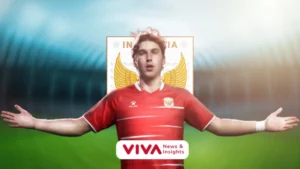
Adding to the excitement surrounding the national team camp is the inclusion of newly minted Indonesian citizens Luke Vickery and Dion Markx. Both players have successfully navigated the stringent naturalization process and now find themselves in contention to make their official senior international debuts during the FIFA ASEAN Cup 2026.
Dion Markx officially completed his transition to acquire Indonesian citizenship in February 2025, gradually integrating into the broader national team setup over subsequent international windows. Meanwhile, Luke Vickery secured his status as a Warga Negara Indonesia (WNI) more recently, in July 2026. The inclusion of both players provides Herdman with much-needed depth and physical presence across the pitch.
The presence of Vickery and Markx highlights the ongoing strategy by football authorities to scout and recruit talent with Indonesian heritage from competitive foreign leagues. Their integration into the squad for a tournament as significant as the FIFA ASEAN Cup 2026 marks a crucial milestone in their respective international careers. Supporters are eager to witness how their technical attributes and international-standard conditioning will translate to the intensity of Southeast Asian competition.
Roster Dynamics and the Domestic League Connection
Beyond the international scope, the domestic front also heavily influenced the day’s most-read sports news. The update regarding the integration of 12 players from the Super League 2026/2027 season into Herdman’s national team pool underscored the vital bridge connecting domestic competitions to the national setup. These players have maintained high performance levels despite the grueling domestic calendar, earning the trust of the coaching staff.
Concurrently, the domestic league delivered its own share of high drama over the weekend. Persib Bandung’s hard-fought 2-1 victory away against Persijap Jepara drew massive media attention, though not entirely for sporting reasons. While the three points were crucial for Persib’s campaign, the aftermath of the match was dominated by off-pitch concerns.
Prominent figures, including influential midfielder Marc Klok, voiced sharp criticisms regarding the substandard quality of match facilities and infrastructure at the venue. Klok’s public complaints reignited long-standing discussions within Indonesian football administration about the necessity of upgrading stadium standards across the Super League to protect player safety and elevate the overall spectacle of the game.
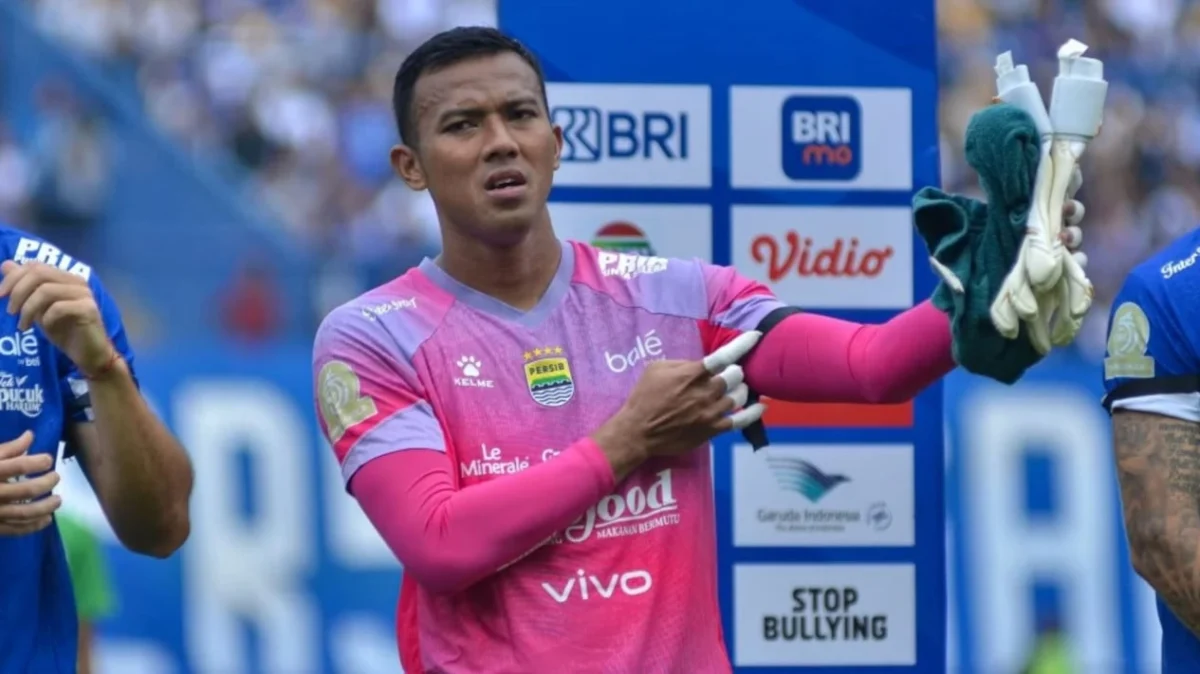
Adding to the friction in Jepara, passionate fan groups, collectively known as the Bobotoh, expressed heavy discontent over specific team performances, singling out goalkeeper Teja Paku Alam with sharp critiques despite the team securing a victory. This dichotomy between securing a positive result and managing internal structural and performance flaws highlighted the immense pressure faced by clubs competing at the highest level of Indonesian football.
Broader Implications and Outlook for Indonesian Football
The convergence of international tournament preparations and domestic league controversies during this late-September news cycle paints a vivid picture of the current state of football in Indonesia. On one hand, the national team represents an ambitious project aimed at regional dominance and international growth, spearheaded by a modern tactical approach under John Herdman and bolstered by strategic player acquisitions. On the other hand, the domestic league serves as a reminder of the foundational challenges that still require systemic reform, particularly regarding infrastructure, facility standards, and fan-club dynamics.
As the kickoff for the FIFA ASEAN Cup 2026 approaches, the pressure on John Herdman and his 24-man squad is immense. The opening match against Singapore will provide the first definitive answer as to whether the tactical predictions and roster experimentations will yield success. Simultaneously, clubs in the Super League must navigate player grievances and infrastructural limitations to maintain the integrity and momentum of the domestic season.
Ultimately, the high volume of readership for these stories reflects the unwavering passion of the Indonesian public. Whether dissecting the tactical nuances of a predicted starting XI or debating the stadium conditions in Jepara, the fans remain the lifeblood of the sport, driving the continuous evolution of Indonesian football on both domestic and international stages.