The Corruption Eradication Directorate of the Indonesian National Police (Kortastipikor Polri) has revealed a significant alleged corruption case involving invoice financing facilities extended by PT Perusahaan Pengelola Aset (PPA) Persero to PT Bintang Abadi Sampurna (BAS) for a coal procurement project supplying PT PLN Batubara. The investigation, which commenced following an undisclosed tip-off, targets the period between 2019 and 2020 and has, as of July 20, 2026, identified three individuals as suspects. This development underscores ongoing efforts to safeguard state-owned enterprise (BUMN) assets and ensure accountability in public fund management.
The Genesis of the Investigation
The alleged malfeasance centers on the improper utilization of invoice financing, a financial instrument designed to facilitate short-term cash flow for businesses by allowing them to receive immediate payment for invoices issued to their clients. In this instance, PT PPA, a state-owned asset management company, allegedly provided these financing facilities to PT BAS for the crucial procurement of coal intended for PT PLN Batubara, a subsidiary of the state electricity company.
The timeline of the alleged corruption, spanning 2019 to 2020, suggests a deliberate and potentially systemic abuse of power within the financial dealings between these entities. The choice of invoice financing as the mechanism for alleged corruption is particularly noteworthy, as it implies a circumvention of standard procurement procedures or an exploitation of loopholes within the financial intermediation process.
Key Figures and Allegations
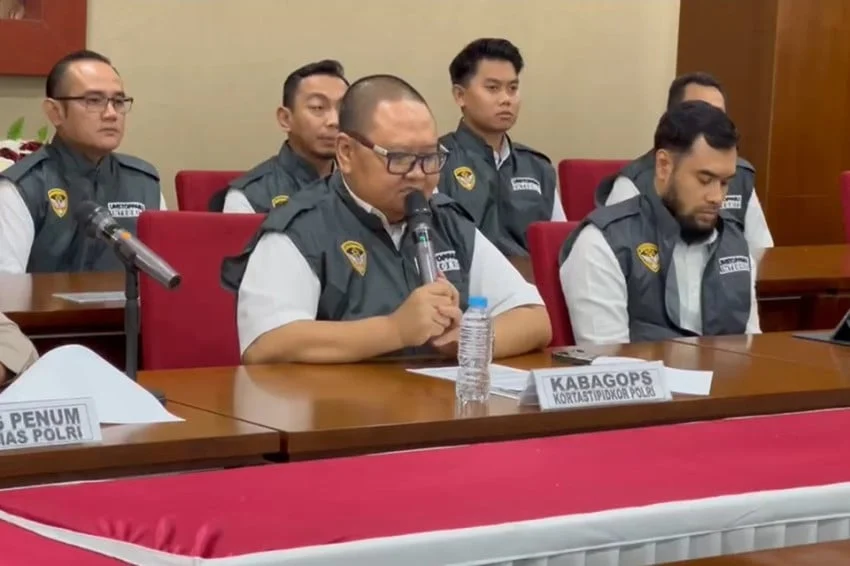
Kombes Pol Ahmad Yusuf Afandi, Head of Operations at Kortastipikor Polri, provided initial details regarding the case during a press conference held at the Bareskrim Polri Building in South Jakarta on Monday, July 20, 2026. He emphasized the gravity of the case, stating that it directly concerns the management of state funds, which are expected to be handled with the utmost professionalism, accountability, and a clear orientation towards public interest.
While specific names of the three suspects have not been publicly disclosed at this early stage of the investigation, it is understood that they are individuals who allegedly wielded influence or authority within the decision-making processes that led to the improper financing. The scope of their alleged involvement likely ranges from the approval of the financing facilities to the potential misappropriation of the funds themselves.
The core allegation revolves around the misuse of authority in the financing process. This implies that the financing facilities were either granted under dubious circumstances, on terms unfavorable to PT PPA and the state, or that the funds disbursed were not utilized for their intended purpose – the procurement of coal for PT PLN Batubara. Such actions, if proven, would not only result in substantial financial losses for the state but also severely undermine the principles of good corporate governance within state-owned enterprises.
Background of the Involved Entities
PT Perusahaan Pengelola Aset (PPA) Persero: Established in 2004, PT PPA is a state-owned enterprise tasked with managing and restructuring non-performing loans and assets of state-owned banks and other financial institutions. Its mandate includes optimizing the value of these assets and contributing to the stability of the national financial system. In cases of alleged corruption, the involvement of PT PPA highlights the vulnerability of even specialized asset management bodies to malfeasance when internal controls are compromised.
PT Bintang Abadi Sampurna (BAS): Information regarding PT BAS’s specific operations and its role in the coal supply chain is less readily available in the public domain. However, its designation as a recipient of financing for coal procurement for PT PLN Batubara positions it as a key player in the energy sector’s supply chain. The investigation will likely scrutinize the contractual agreements between BAS and PT PLN, as well as the due diligence conducted by PT PPA before extending the financing.
PT PLN Batubara: As a subsidiary of PT Perusahaan Listrik Negara (PLN), PT PLN Batubara plays a critical role in ensuring the supply of coal, a primary fuel source for electricity generation in Indonesia. The reliability of its supply chain is paramount to national energy security. Any disruption or financial impropriety within its procurement processes can have cascading effects on electricity generation and distribution.
The Mechanics of Invoice Financing and Potential Exploitation
Invoice financing typically involves a company selling its outstanding invoices to a financial institution at a discount in exchange for immediate cash. This allows the company to access working capital more quickly than waiting for the client to pay the invoice. In the context of this alleged corruption, the possibilities for exploitation are numerous:
- Inflated Invoices: PT BAS might have submitted invoices for coal quantities or prices that were higher than the actual amounts or market rates. PT PPA, if complicit or negligent, could have approved financing based on these inflated figures.
- Non-Existent Deliveries: It is possible that financing was sought and obtained for invoices pertaining to coal that was never actually delivered to PT PLN Batubara.
- Misappropriation of Funds: Even if the invoices were legitimate, the funds received by PT BAS from PT PPA might have been diverted for purposes other than the intended coal procurement, such as personal gain or investment in unrelated ventures.
- Collusion and Bribery: There could have been collusion between individuals within PT BAS and PT PPA, potentially involving the offer or acceptance of bribes to facilitate the improper financing.
- Weak Due Diligence: PT PPA, as the financing institution, has a responsibility to conduct thorough due diligence on the borrower and the underlying transactions. Allegations of corruption often point to failures in these due diligence processes, either deliberate or due to negligence.
Chronology of the Investigation (Inferred)
While a detailed timeline is not yet public, the investigation likely followed a logical progression:
- Initial Suspicion/Tip-off: The case may have originated from an internal audit within PT PPA or PT PLN, an anonymous tip-off to law enforcement, or intelligence gathered by Kortastipikor Polri.
- Preliminary Investigation: Law enforcement would have conducted initial inquiries to gather preliminary evidence, identify potential suspects, and assess the scale of the alleged financial irregularities.
- Formal Investigation and Evidence Gathering: This phase would involve meticulous examination of financial records, transaction logs, contracts, and communication records. Interviews with key personnel from PT PPA, PT BAS, and potentially PT PLN would have been conducted.
- Identification of Suspects: Based on the evidence gathered, Kortastipikor Polri would have identified individuals whose actions or decisions directly contributed to the alleged corruption. The designation of three suspects marks a significant milestone in this stage.
- Arrests and Interrogations: Following the identification of suspects, arrests may have been made, leading to formal interrogations to obtain their statements and further evidence.
- Prosecution and Legal Proceedings: The ultimate goal of the investigation is to build a strong case for prosecution, leading to a fair trial and, if found guilty, appropriate legal sanctions.
Supporting Data and Context
The Indonesian government has been actively working to combat corruption, particularly within its state-owned enterprises, recognizing the detrimental impact of such practices on economic development and public trust. The Corruption Perception Index (CPI) consistently highlights the need for robust anti-corruption measures in Indonesia. Cases like this serve as a stark reminder of the persistent challenges in ensuring transparency and accountability in public finance.
The energy sector, being a significant contributor to the national economy and a major recipient of public funds, is often a focal point for anti-corruption efforts. Coal procurement, in particular, involves substantial financial flows and complex supply chains, creating opportunities for illicit activities if not managed with stringent oversight.
The reported kerugian keuangan negara (state financial loss) is described as "significant," a term that, while not quantified, suggests a substantial impact on public coffers. In previous corruption cases involving BUMN, financial losses have often run into billions or even trillions of Indonesian Rupiah, affecting the government’s ability to fund public services and development projects.
Broader Implications and Analysis
The revelation of this alleged corruption case carries several significant implications:
- Erosion of Public Trust: Repeated instances of corruption involving state-owned enterprises can erode public trust in the government’s ability to manage national resources effectively and ethically. This can lead to cynicism and a decrease in citizen engagement.
- Economic Impact: Significant financial losses divert resources that could otherwise be used for infrastructure development, social welfare programs, or investments in crucial sectors. This can hinder economic growth and development.
- Deterrent Effect: Successful investigations and prosecutions can serve as a deterrent to future corrupt practices. However, the perception of impunity can embolden those with corrupt intentions.
- Reform of Governance Mechanisms: Such cases often prompt reviews and reforms of internal controls, auditing procedures, and oversight mechanisms within BUMNs to prevent recurrence. This may include strengthening whistleblower protection and enhancing the independence of audit committees.
- International Scrutiny: Corruption cases involving state-owned entities can attract international attention, potentially impacting foreign investment and Indonesia’s reputation on the global stage.
Official Responses and Reactions (Inferred)
While direct quotes from all parties involved are not yet available, certain reactions can be anticipated:
- Kortastipikor Polri: The Directorate will likely continue to provide updates as the investigation progresses, emphasizing its commitment to upholding the law and ensuring justice. They will aim to build a solid case based on irrefutable evidence.
- PT PPA Management: The leadership of PT PPA will likely issue statements expressing their full cooperation with the police investigation. They may also initiate internal reviews to identify any systemic weaknesses that may have contributed to the alleged corruption and commit to strengthening internal controls.
- PT PLN (Persero): As the ultimate beneficiary of the coal procurement, PT PLN would likely express concern over the allegations and emphasize the importance of integrity within its supply chain. They would likely state their commitment to ensuring that all procurement processes are transparent and adhere to regulations.
- Government Officials: Relevant ministries, such as the Ministry of State-Owned Enterprises, would likely reiterate the government’s zero-tolerance policy towards corruption and reaffirm their commitment to good corporate governance within BUMNs.
Conclusion
The ongoing investigation by Kortastipikor Polri into the alleged corruption surrounding PT PPA’s invoice financing for PT PLN Batubara’s coal procurement project is a critical development in Indonesia’s fight against corruption. The identification of three suspects underscores the seriousness of the allegations, which, if proven, represent a significant breach of public trust and a drain on national resources. The case highlights the inherent risks in managing public funds and the constant need for vigilance, robust oversight, and unwavering commitment to accountability within state-owned enterprises. The outcomes of this investigation will undoubtedly be closely watched, not only for their legal ramifications but also for their potential to influence future governance practices and public confidence in Indonesia’s institutions.