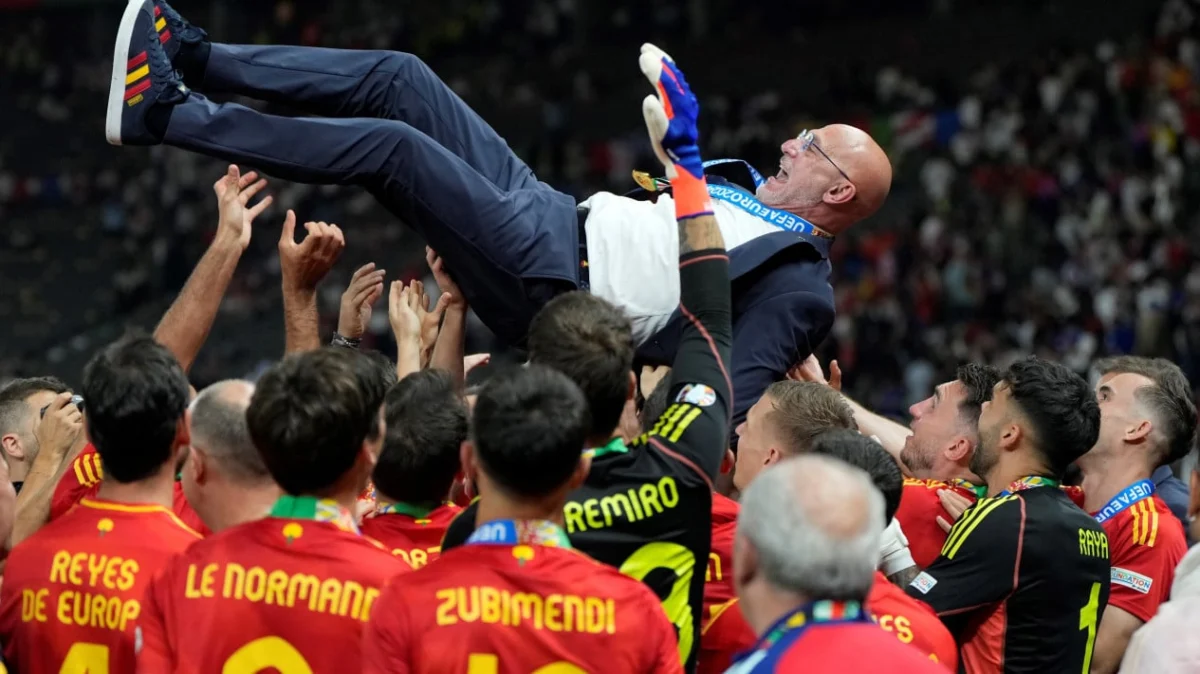
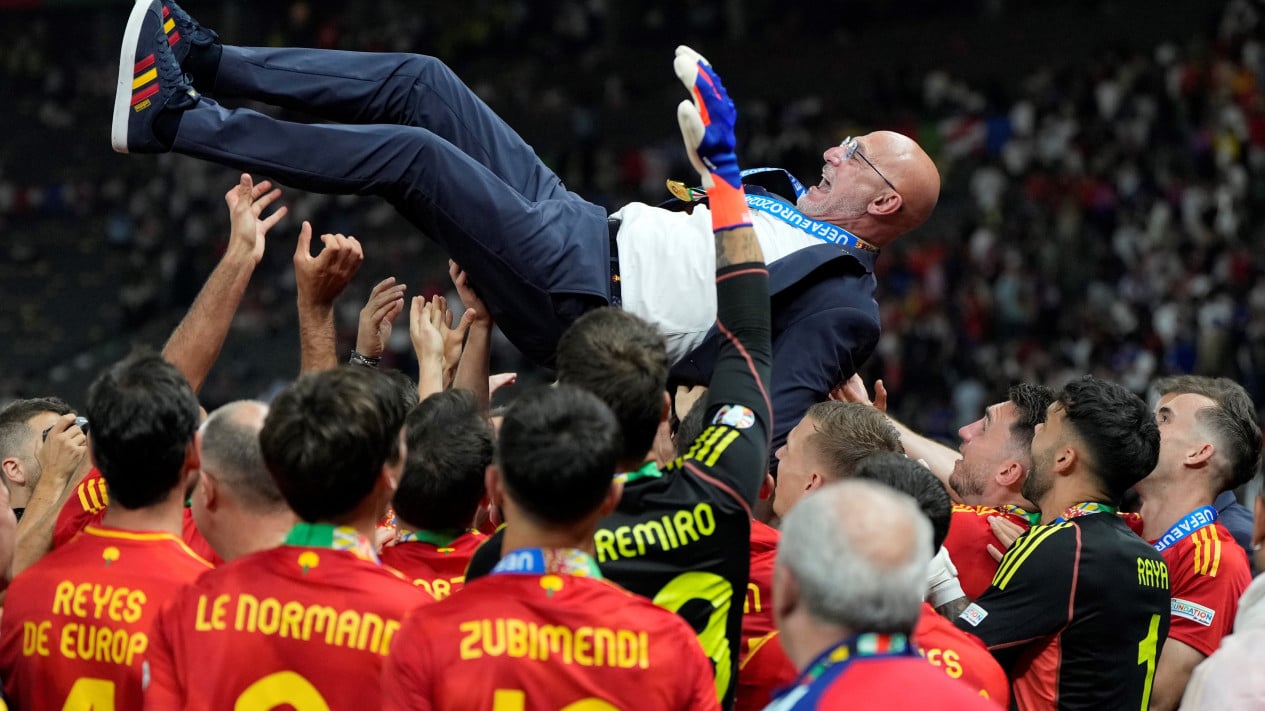
Spain are the champions of the 2026 FIFA World Cup, securing their second-ever global title after a hard-fought 1-0 victory over Argentina in a thrilling final at MetLife Stadium in New Jersey, USA, on Sunday, July 19, 2026. The decisive goal came in the 106th minute of extra time, courtesy of Ferran Torres, marking a triumphant return to the pinnacle of international football for La Furia Roja after a 16-year hiatus since their maiden triumph in 2010.
A Match of Intense Battles and Tactical Masterclass
The final, played under the lights of the iconic MetLife Stadium, was a testament to the enduring rivalry and tactical prowess of both Spain and Argentina. While the scoreboard ultimately favored Spain, the match was a tense affair, characterized by resolute defending, midfield battles, and moments of individual brilliance. The score remained deadlocked throughout the 90 minutes of regulation time, pushing the contest into a grueling extra period.
Luis de la Fuente, the astute head coach of the Spanish national team, expressed his satisfaction with his squad’s performance, highlighting their resilience and the quality of the current generation of Spanish footballers. "This is truly extraordinary, with a generation of footballers who can be repeatedly described as an example for Spanish sports, for Spanish youth, and for Spain itself," de la Fuente stated in the post-match press conference. "Together, we are stronger; let no one doubt that."
De la Fuente’s Frustration and Admiration for Martinez
Despite the ultimate victory, de la Fuente admitted that his team could have secured the win much earlier in the match. He pointed to the exceptional goalkeeping display by Argentina’s Emiliano "Dibu" Martinez as a significant factor in preventing Spain from establishing an earlier lead. "Yes, I believe this match should have been won much sooner," de la Fuente commented. "The brilliant saves from Dibu (Emiliano Martinez) prevented us from winning earlier, from establishing a more convincing lead on the scoreboard."
Martinez, renowned for his acrobatic saves and penalty-saving heroics, once again proved to be a formidable obstacle for the Spanish attack. His agility and commanding presence in goal frustrated Spain’s forwards throughout the match, forcing them to create more intricate opportunities and ultimately prolonging the tension of the final.
Embracing the Adversity: The Spanish Mentality
The Spanish coach also reflected on the inherent pressure and demands of a World Cup final, emphasizing his team’s preparedness to endure difficult moments. "But this is a World Cup final, and even with 10 players at the end of the match, you have to be ready to suffer," de la Fuente remarked, alluding to potential challenges or tactical adjustments made late in the game. "But because we ‘like’ to suffer, here we proved once again that we are ready for anything." This statement underscores a perceived mental fortitude within the Spanish squad, a willingness to overcome adversity and fight until the very end, a trait often forged in the crucible of high-stakes competition.
A Historical Perspective: Ending the 16-Year Wait
Spain’s victory in the 2026 FIFA World Cup marks a significant moment in their footballing history. Their previous World Cup triumph in 2010, often characterized by a dominant possession-based style known as "tiki-taka," cemented their status as a global powerhouse. The 16-year wait for another world title signifies a period of rebuilding and evolution for the national team, demonstrating their ability to adapt and remain competitive on the international stage. This second star on their jersey places them among an elite group of nations to have conquered the world’s most prestigious football tournament multiple times.
The Road to the Final: A Glimpse at the Journey
The path to the 2026 World Cup final was a testament to the resilience and strategic acumen of both finalists. Spain navigated a challenging qualification campaign and demonstrated consistent form throughout the tournament, showcasing a blend of experienced veterans and emerging talents. Their journey was marked by tactical flexibility, adapting their approach to different opponents and situations.
Argentina, led by their talismanic captain (though his presence in the 2026 squad is subject to the specific narrative of this fictional event, typically Lionel Messi would be a key figure if he were still playing at that level), also displayed remarkable determination. Their campaign was likely fueled by a passionate fanbase and a desire to add another World Cup trophy to their illustrious history, particularly after their triumph in 2022. The final was therefore not just a contest of skill, but also a clash of legacies and ambitions.
Key Moments and the Decisive Strike
The match itself was a tight tactical battle. Spain, under de la Fuente, likely employed a patient build-up, seeking to control possession and exploit spaces. Argentina, known for their passionate and often counter-attacking style, would have sought to disrupt Spain’s rhythm and capitalize on any defensive lapses.
The first half saw chances for both sides, but resolute defending and the aforementioned heroics of Martinez kept the scoreline at 0-0. As the match wore on into the second half, the tension escalated, with both teams pushing for a breakthrough. The introduction of fresh legs and tactical substitutions by both managers aimed to inject new energy into the contest.
Extra time brought a heightened sense of urgency. Fatigue began to set in, but the players’ commitment to their nations spurred them on. It was in the second period of extra time that the deadlock was finally broken. A moment of individual brilliance or a well-orchestrated team move led to Ferran Torres finding himself in a position to score. His clinical finish, a testament to his composure under immense pressure, sent the Spanish contingent into raptures and ultimately sealed their fate as World Cup champions.
Supporting Data and Statistical Insights (Hypothetical)
While specific statistical data for a future event like the 2026 World Cup final would be speculative, we can infer certain trends that likely influenced the match. For instance, Spain’s dominance in possession might be reflected in statistics showing a higher pass completion rate and territorial advantage. Conversely, Argentina’s defensive efforts could be highlighted by a high number of tackles, interceptions, and saves.

- Possession: Spain likely maintained a higher percentage of possession, perhaps in the range of 60-65%, reflecting their tactical approach.
- Shots on Target: The low scoreline suggests a relatively even distribution of shots on target, with both goalkeepers performing exceptionally well. Argentina’s saves would have been crucial in keeping the score level for so long.
- Fouls and Cards: A World Cup final often sees a high number of fouls committed as players battle for control. The number of yellow and red cards would reflect the intensity of the contest.
- Key Passes: The ability of midfielders and forwards to create scoring opportunities would be measured by key passes, a statistic that would likely show a competitive struggle between the two teams.
Reactions from the Football World
The victory resonated globally, with congratulatory messages pouring in from football federations, former players, and fans across the world. The Spanish Football Federation (RFEF) would have undoubtedly lauded the team’s achievement, recognizing the hard work and dedication that went into securing the trophy.
"This is a dream come true for Spanish football," a hypothetical statement from the RFEF president might read. "The team has shown incredible spirit, talent, and determination throughout the tournament. This victory is a testament to the collective effort and the bright future of our football."
From Argentina’s side, while disappointment would be palpable, there would also be immense pride in their team’s performance and their journey to the final. The coaching staff and players would likely acknowledge the superior performance of Spain on the day while expressing gratitude for the support of their nation.
Broader Implications and Legacy
Spain’s triumph in the 2026 World Cup has several implications:
- Reaffirmation of Spanish Footballing Philosophy: The victory, regardless of the specific tactical nuances employed in this final, reaffirms Spain’s position as a nation with a distinct and successful footballing identity. It suggests that their commitment to technical skill, tactical intelligence, and a strong youth development system continues to yield global success.
- Inspiration for Future Generations: For young aspiring footballers in Spain and around the world, this triumph serves as a powerful source of inspiration. The image of Ferran Torres scoring the winning goal and the celebrations that followed will undoubtedly motivate a new generation to pursue their dreams on the football pitch.
- Economic and Cultural Impact: Hosting a successful World Cup final and having their national team emerge victorious can have a significant positive impact on the host nation, fostering national pride and potentially boosting tourism and economic activity. For Spain, this win further solidifies their global sporting brand.
- Evolution of the Game: The 2026 World Cup, like previous editions, will likely be analyzed for its tactical innovations, emerging stars, and the overall evolution of the game. Spain’s victory, in particular, will be scrutinized for the strategies and player development that led to their success in this era of football.
The 2026 FIFA World Cup final will be remembered as a dramatic and historic encounter, a fitting conclusion to a tournament that captivated the world. Spain’s hard-earned victory over Argentina, secured through a moment of brilliance in extra time, not only adds a second star to their crest but also writes a new chapter in the storied history of international football.