The iconic MetLife Stadium in New Jersey will be bathed in the glow of a million spotlights on Monday, July 20, 2026, as it hosts the climactic final of the FIFA World Cup 2026. The world will hold its breath, captivated by a clash of titans: Spain against Argentina, a matchup poised to etch its name in footballing history. Yet, the spectacle extends far beyond the 22 players on the hallowed turf. The halftime show promises a constellation of global music superstars, including Shakira, Burna Boy, Madonna, Justin Bieber, and the K-pop phenomenon BTS. However, amidst this dazzling display of global entertainment, a narrative of profound resilience and unexpected triumph is set to unfold, one that resonates with a power far greater than any stadium anthem.
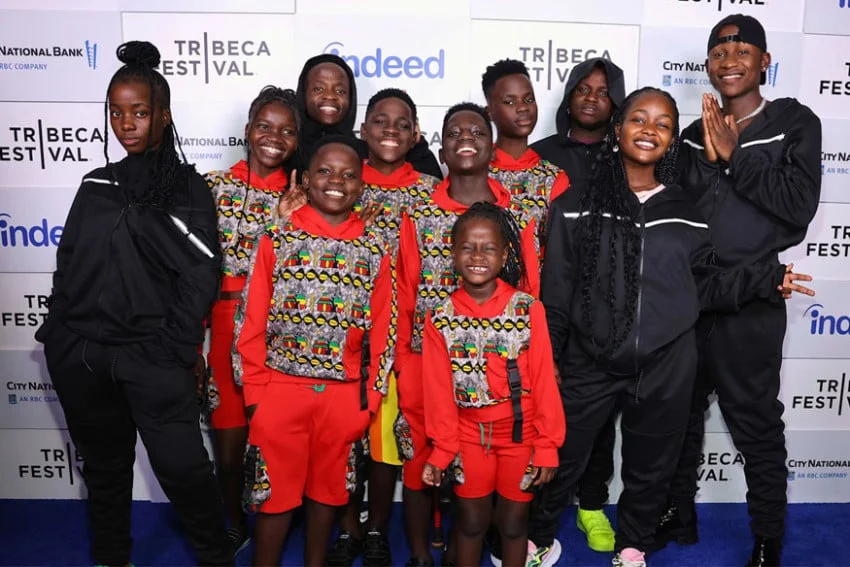
This is the story of the Ghetto Kids, a group of children who once navigated the harsh realities of the streets of Uganda but are now poised to stand shoulder-to-shoulder with the world’s most celebrated artists on one of the planet’s most prestigious stages. For many, a halftime performance at the World Cup final might represent a fleeting moment of professional engagement. For the Ghetto Kids, however, this moment signifies the culmination of an extraordinary odyssey that began in the unpaved alleys of Kampala and marks the genesis of aspirations they could scarcely have imagined.
The Journey from Kampala’s Streets to Global Recognition
Years ago, these children were simply dancers on the streets of Uganda’s capital. Their stage was the dusty earth, their audience the passersby. There were no grand platforms, no blinding spotlights, and certainly no guarantees of a secure future. All they possessed was an innate rhythm, an indomitable spirit, and a fervent hope that, one day, their raw talent would be recognized by the world.
This hope, once a fragile flicker, began to ignite into a tangible reality. The unpretentious dance videos they filmed and uploaded from various corners of Kampala started to capture global attention. The turning point arrived in 2014 with their appearance in the music video for "Sitya Loss," a hit song by Ugandan musician Eddy Kenzo. This collaboration propelled them from local obscurity to international notice, showcasing their energetic choreography and infectious joy to a much wider audience. The raw, unadulterated passion evident in their performances resonated deeply, transcending cultural and geographical barriers.
The "Sitya Loss" video, filmed with rudimentary equipment and set against the backdrop of everyday Ugandan life, became an unlikely viral sensation. It highlighted the children’s natural talent for movement, their ability to express complex emotions through dance, and their sheer exuberance. This initial exposure opened doors to further opportunities, allowing them to hone their skills and gain more exposure through social media platforms and subsequent performances. Each uploaded video, each shared clip, was a step closer to their improbable dream.
A Chronicle of Ascent: Key Milestones
The trajectory of the Ghetto Kids’ rise is a testament to the power of perseverance and the democratizing influence of digital media. While a precise, exhaustive timeline of every individual performance is beyond the scope of this report, key milestones illustrate their remarkable journey:
- Pre-2014: The formation of the Ghetto Kids as a collective, practicing and performing informally on the streets of Kampala, honing their dance skills through sheer dedication and shared passion. Their early performances were characterized by raw energy and improvisational creativity.
- 2014: The pivotal year marked by their collaboration with Eddy Kenzo for the "Sitya Loss" music video. This event served as their international debut, introducing their unique style to a global audience and generating significant online buzz. The video’s popularity on platforms like YouTube was instrumental in their initial breakthrough.
- Post-2014: Following the "Sitya Loss" success, the Ghetto Kids began to attract more attention from international media and talent scouts. They participated in various local and regional talent shows, gradually building their reputation. Their online presence continued to grow, with new videos showcasing their evolving choreography and performance quality.
- Mid-to-Late 2010s: Increased international exposure, including appearances on television programs and collaborations with other artists. This period saw them gain traction in the global entertainment landscape, moving beyond just a viral video phenomenon to become recognized performers.
- Early 2020s: The COVID-19 pandemic presented challenges, but the Ghetto Kids, like many artists, adapted by leveraging digital platforms. They continued to produce content, engage with their growing fanbase, and explore new avenues for their craft. Their resilience during this period was crucial in maintaining their momentum.
- Leading up to 2026: The announcement of their inclusion in the FIFA World Cup 2026 halftime show marks the zenith of their current ascent. This confirmation signifies a level of global recognition previously unimaginable for a group emerging from such humble beginnings. The selection process for such a high-profile event is typically rigorous, involving extensive vetting of talent, marketability, and the ability to deliver a captivating performance on a massive scale.
Supporting Data: The Scale of the World Cup and its Spectacle
The FIFA World Cup is the most prestigious and widely viewed single sporting event in the world. The 2026 tournament, co-hosted by the United States, Canada, and Mexico, is poised to be the largest in history, with an expanded format featuring 48 teams.
- Global Audience: The FIFA World Cup Final consistently draws an estimated global television audience exceeding one billion viewers. The 2022 final in Qatar, for instance, was watched by an estimated 1.5 billion people worldwide. This provides an unparalleled platform for any performer.
- Economic Impact: The World Cup generates billions of dollars in revenue through broadcasting rights, sponsorships, ticket sales, and tourism. The 2026 tournament is projected to be a significant economic driver for the host nations.
- Cultural Significance: The World Cup is more than just a sporting event; it is a global cultural phenomenon that unites people from diverse backgrounds. The halftime show is a key component of this cultural tapestry, aiming to provide entertainment that appeals to a broad international audience.
- Artist Engagement: Past World Cup halftime shows have featured legendary performers such as Jennifer Lopez, Shakira (again), and Beyoncé, underscoring the caliber of talent sought for this prestigious slot. The inclusion of emerging global acts alongside established superstars is a common strategy to broaden appeal.
Official Responses and Inferred Reactions
While specific official statements regarding the Ghetto Kids’ selection may not yet be public domain, the very act of their inclusion speaks volumes. FIFA, in its commitment to inclusivity and celebrating diverse talent, has historically sought to integrate cultural elements that reflect the global nature of the tournament.
The organizers of the World Cup halftime show likely recognized the Ghetto Kids’ unique story as a powerful narrative of hope, resilience, and the transformative power of dreams. Their presence is not merely about filling a slot but about adding a layer of profound human interest to the event.
One can infer that the Ghetto Kids themselves are experiencing a mixture of disbelief, elation, and immense pride. For them, this is the realization of a dream that once seemed as distant as the stars. Their families, communities in Uganda, and their growing legion of supporters worldwide are undoubtedly bursting with pride, seeing their local heroes achieve such an extraordinary level of global recognition.
The Ugandan government and cultural bodies are likely to view this as a significant moment for national pride, showcasing the artistic talent emerging from their country. Such international recognition can also inspire other young Ugandans to pursue their passions, regardless of their background.
Broader Impact and Implications: More Than Just a Dance
The inclusion of the Ghetto Kids in the FIFA World Cup 2026 halftime show carries significant implications that extend far beyond the confines of the MetLife Stadium:
- Inspiration for Underserved Communities: Their journey serves as a powerful beacon of hope for children in disadvantaged communities worldwide. It demonstrates that talent and dedication, amplified by opportunity and digital reach, can overcome even the most challenging circumstances. This narrative can inspire a generation to believe in their own potential.
- Redefining Global Entertainment: The selection challenges traditional notions of who belongs on the world’s biggest stages. It highlights the increasing importance of authentic voices and diverse cultural expressions in mainstream entertainment. The Ghetto Kids represent a new wave of global talent that is not confined by geographical or socioeconomic boundaries.
- The Power of Digital Platforms: Their rise underscores the transformative role of social media and online video platforms in democratizing fame and providing a pathway for artists from around the world to reach global audiences. Their story is a modern-day testament to the power of viral content and online community building.
- Cultural Diplomacy: By featuring the Ghetto Kids, the World Cup organizers are engaging in a form of cultural diplomacy, showcasing the vibrancy and talent of Africa to a global audience. This can foster greater understanding and appreciation for African culture on an international scale.
- Economic Opportunities: Increased global visibility can translate into tangible economic opportunities for the Ghetto Kids and their collective, potentially leading to further international tours, endorsements, and educational opportunities. This can also stimulate interest in Ugandan arts and culture.
As the spotlight intensifies on MetLife Stadium, it will illuminate not just a footballing spectacle but also a testament to the indomitable human spirit. The Ghetto Kids’ presence is a powerful reminder that dreams can indeed take flight from the most unlikely of launchpads, proving that the rhythm of hope can echo across continents and captivate the world. Their story, interwoven with the grandeur of the World Cup, promises to be one of the most compelling narratives of the 2026 tournament, a symphony of resilience played out on the grandest stage imaginable.