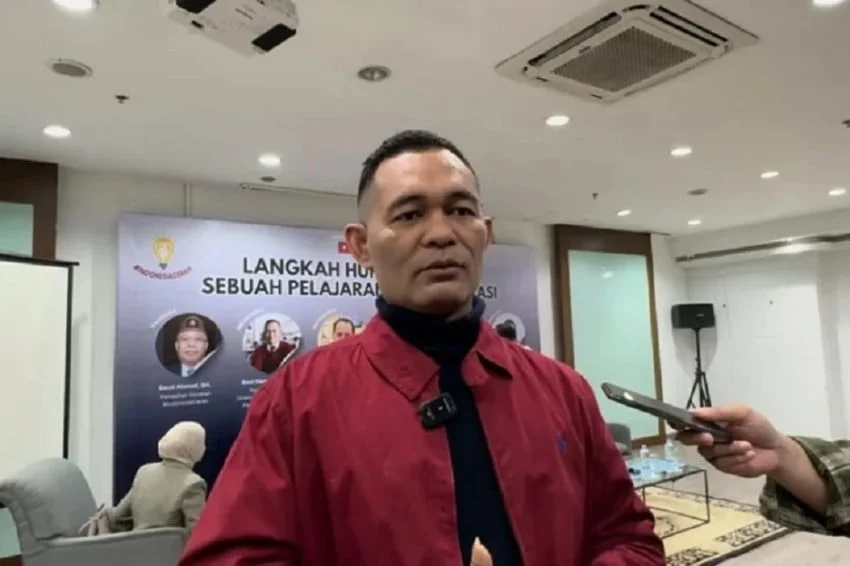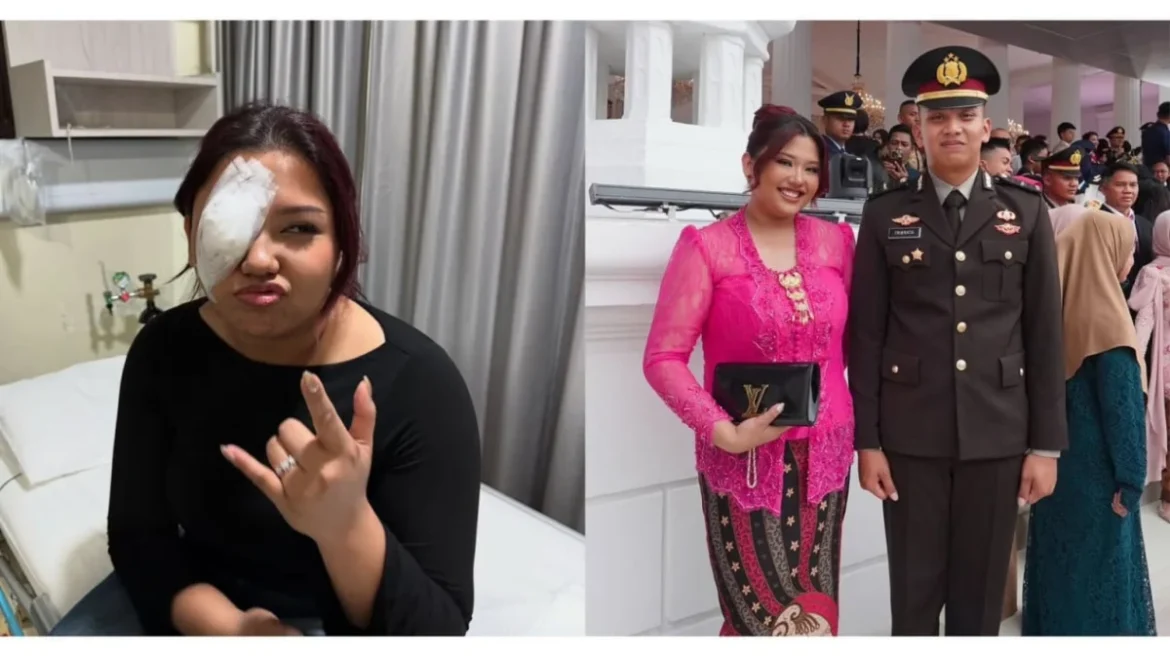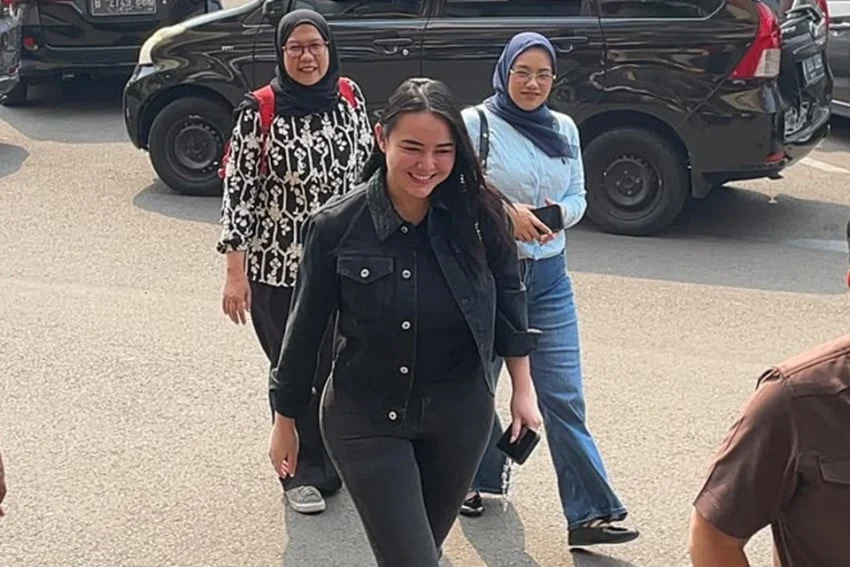
The Indonesian entertainment industry was recently met with a fresh wave of media attention as young singer Betrand Peto, popularly known as Onyo, fulfilled a summons for police questioning at the Jakarta Metropolitan Police headquarters. On Monday, September 21, 2026, the artist walked into the offices of the Women and Children Protection Unit, commonly known as Subdit Remaja, Anak, dan Wanita (Renakta/PPA) of Polda Metro Jaya. Accompanied closely by his legal counsel, Ezra, the performer spent approximately four and a half hours answering detailed inquiries from investigators.
The investigative session was directly tied to an ongoing legal case involving an alleged assault and subsequent counter-allegations stemming from an incident at an upscale nightlife venue in South Jakarta. As public figures navigate the complexities of personal and professional accountability under the constant gaze of social media, this high-profile police examination brings new dimensions to a legal dispute that has steadily captured national headlines.
Main Facts and Investigative Details
According to official statements provided by legal representation following the lengthy interrogation, Betrand Peto attended the Polda Metro Jaya headquarters to act as a factual witness. The legal proceedings arise from a formal police report filed by an individual identified by her initials, DYP. The complainant, DYP, has leveled accusations against Bebby Hatami, who is recognized as a close associate and friend of the young singer.
During the exhaustive inquiry, which commenced in the mid-afternoon and extended well into the evening hours, investigators sought to clarify Betrand’s exact whereabouts, actions, and observations during the night in question. Legal counsel Ezra addressed the press corps immediately after the session concluded, detailing the scope of the questioning.
"The questioning involved approximately 20 to 22 targeted questions, conducted continuously from roughly 3:00 PM until 7:30 PM," Ezra explained to journalists gathered outside the Polda Metro Jaya complex.
The inquiry focused intensively on reconstructing the events of the evening. Investigators aimed to establish a definitive timeline of Betrand’s movements, starting from his arrival at the venue, moving through the reported altercation, and tracing his subsequent departure back to his professional commitments on a film or television production set. Because the young singer was present at the scene during the time of the alleged dispute, his testimony is viewed by law enforcement as crucial in corroborating or refuting the sequence of events presented in the initial police complaint.
Chronology and Background Context of the Incident
To fully understand the context surrounding Betrand Peto’s recent appearance at Polda Metro Jaya, it is necessary to examine the timeline of events that brought the young artist into the sphere of a police investigation. The core of the legal dispute traces back to an intense altercation at a popular nightclub located within the exclusive Sudirman Central Business District (SCBD) in South Jakarta.
The SCBD area is well-known for housing high-end entertainment venues, frequently patronized by celebrities, influencers, and members of Jakarta’s social elite. On the night in question, Betrand Peto was reportedly among a group of acquaintances that included Bebby Hatami. What was initially intended as a social outing or a brief respite from a demanding production schedule quickly escalated into a chaotic confrontation.
According to preliminary findings and statements emerging from the investigation, a disagreement broke out inside the venue, culminating in an alleged physical and verbal altercation. The situation deteriorated to the point where legal lines were crossed, prompting DYP to file an official police report alleging assault. As the investigation progressed, law enforcement agencies gathered preliminary evidence, reviewed potential CCTV footage from the venue, and identified witnesses who could shed light on the altercation.
Betrand Peto’s presence at the scene immediately placed him on the radar of investigators. While he was not initially named as the primary perpetrator in the assault allegations brought by DYP, his close proximity to Bebby Hatami and his direct observations of the unfolding chaos made his testimony indispensable. Police procedures dictate that individuals present during the commission of an alleged offense must provide statements to ensure a comprehensive and impartial review of the facts before any formal indictments or legal conclusions are finalized.
The Legal Framework and the Role of the PPA Unit
The involvement of the Subdit Remaja, Anak, and Wanita (PPA) unit of Polda Metro Jaya introduces a specific administrative dimension to the case. While the unit translates literally to the Women and Children Protection Sub-Directorate, its jurisdiction within the greater Jakarta metropolitan police force often extends to handling sensitive cases involving young adults, witnesses of varying ages, or complex interpersonal disputes where safeguarding the welfare of participants is paramount.
In Betrand Peto’s case, although he is widely recognized as a rising star in the Indonesian music industry, his status as a young adult who entered the entertainment sphere at a tender age requires careful handling by law authorities. Legal experts note that police interrogations involving public figures are frequently subjected to intense public scrutiny, requiring investigators to maintain strict neutrality and professionalism.
The questioning session, lasting four and a half hours, reflects the thoroughness with which the PPA unit approaches the case. Investigators did not merely skim the surface of the incident; instead, they systematically walked Betrand through every minute of the timeline. They inquired about who initiated the confrontation, the verbal exchanges that preceded the physical dispute, the specific reactions of each individual present, and the exact moment Betrand and his associates exited the premises to return to their filming duties.
Public Reaction, Media Circus, and Industry Implications
The intersection of celebrity culture, nightlife altercations, and the Indonesian legal system invariably generates a massive volume of public interest. Within minutes of media outlets reporting that Betrand Peto had entered the Polda Metro Jaya complex, social media platforms were flooded with speculation, commentary, and expressions of concern from his loyal fan base, often referred to collectively as the Onyo fanbase.
In the digital age, young artists like Betrand Peto face a dual reality: they must navigate the rigorous demands of their artistic careers while simultaneously managing the intense public narrative constructed around their personal lives. Every public appearance, court summons, or police station visit is dissected by netizens, leading to polarized online debates long before a court of law delivers an official verdict.
Entertainment analysts point out that incidents of this nature can have profound implications for a celebrity’s public image and professional trajectory. Brands, production houses, and event organizers closely monitor legal developments involving the talent they employ. However, legal representatives have consistently emphasized that Betrand’s appearance at the police station was strictly that of a witness cooperating fully with the legal process, rather than a suspect facing criminal charges.
"Our client is simply fulfilling his civic duty by providing truthful and transparent testimony regarding what he witnessed that evening," legal counsel Ezra reiterated to the media, urging the public to refrain from premature judgments that could damage reputations or interfere with the ongoing judicial process.
Broader Impact on Celebrity Conduct and Accountability
The ongoing investigation involving the SCBD nightclub altercation serves as a broader reminder of the responsibilities borne by public figures in Indonesia. As social media continues to amplify every misstep, celebrities are increasingly held to high standards of personal conduct, both in professional environments and during private leisure hours.
Nightlife venues in metropolitan hubs like Jakarta are frequently monitored by both private security and public law enforcement, minimizing the likelihood that high-profile disputes can be easily swept under the rug. When altercations occur, the involvement of celebrities inevitably transforms a private disagreement into a matter of public record.
For Betrand Peto, this chapter represents a challenging hurdle in his transition from a beloved child star into a mature, independent artist navigating the complexities of adult social environments. The ability to handle legal inquiries with composure, transparent cooperation with law enforcement, and clear communication through legal counsel are vital components of managing crises in the modern entertainment landscape.
Conclusion and Next Steps in the Legal Process
As the investigation moves forward, the evidence gathered by the PPA unit of Polda Metro Jaya—including Betrand Peto’s recently submitted testimony—will be compiled into an investigative dossier. This dossier will subsequently be evaluated to determine whether sufficient grounds exist to advance the case toward further legal proceedings, mediation, or potential court trials involving the primary parties named in the dispute.
In the meantime, Betrand Peto and his legal team remain prepared to cooperate with any future requests from law enforcement authorities. As the legal system works to parse the conflicting narratives surrounding the SCBD nightclub incident, the public and media outlets await formal updates from Polda Metro Jaya, underscoring the enduring principle that all individuals, regardless of celebrity status, remain equal before the law.