The Corruption Eradication Commission (KPK) has officially designated the Regent of West Lombok, Lalu Ahmad Zaini (LAZ), as a suspect in a major corruption investigation involving allegations of bribery, gratification, and conflicts of interest within the regional administration. The announcement follows a decisive Hand-Catch Operation (Operasi Tangkap Tangan or OTT) conducted by the anti-graft agency in Lombok, West Nusa Tenggara, on Monday, July 20, 2026. Alongside the Regent, the KPK has also named two other key figures as suspects: Sudirman (SUD), the President Director of the regional water utility company PT Air Minum Giri Menang (PT AMGM), and Alvonsus Gani (ALG), the President Director of Meconel Sistem Instrument.
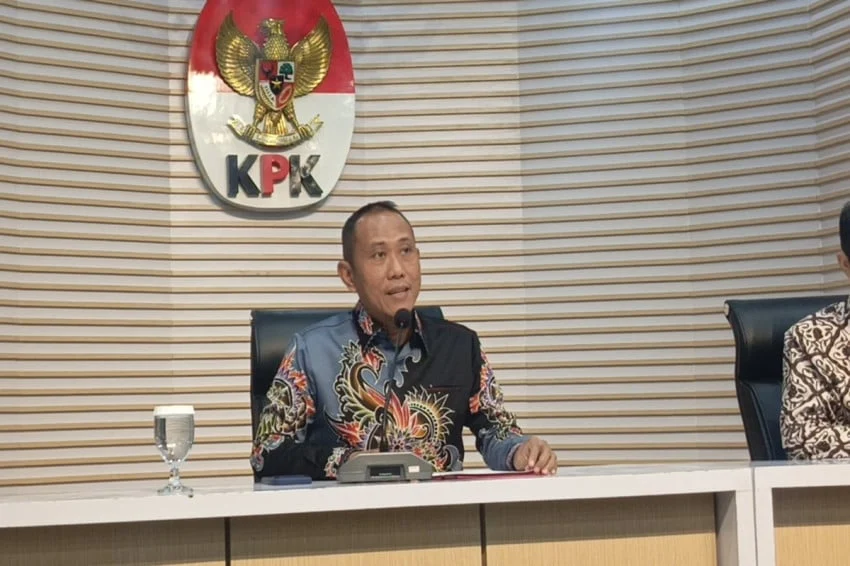
The move marks a significant escalation in the KPK’s efforts to purge regional governments of systemic corruption, particularly within the procurement of goods and services. During a press conference held at the KPK’s Red and White Building in Jakarta on Tuesday, July 21, 2026, the Acting Director of Investigation, Achmad Taufik Husein, confirmed that the commission had secured sufficient preliminary evidence to elevate the case to the investigation stage. The three suspects have been placed under a 20-day initial detention period, effective from July 21 to August 9, 2026, to prevent the destruction of evidence and to facilitate the ongoing investigation.
Chronology of the Sting Operation and Investigation
The events leading to the arrests began on the morning of Monday, July 20, 2026, when a specialized team of KPK investigators descended upon several locations in West Lombok and Mataram. Acting on credible intelligence regarding a planned illicit transaction between a private contractor and local government officials, the team monitored the movements of the suspects throughout the day.
The operation reportedly culminated in the afternoon when investigators intercepted a meeting involving Sudirman and Alvonsus Gani. During the raid, the KPK seized a significant amount of cash and digital evidence believed to be part of a "commitment fee" related to a procurement project within the environment of the West Lombok Regency. Shortly after the initial arrests, the team moved to secure Regent Lalu Ahmad Zaini, who is alleged to have played a central role in orchestrating the corrupt scheme.
Following the arrests in Lombok, the suspects were transported to the KPK headquarters in Jakarta for intensive questioning. By Tuesday afternoon, the commission determined that the evidence—including documents, electronic records, and the recovered currency—was sufficient to formally charge the trio. The suspects appeared before the media in orange detention vests, a stark symbol of the fall from grace for one of West Nusa Tenggara’s most prominent political figures.
Legal Framework and Charges
The legal charges leveled against the suspects are comprehensive, reflecting the multifaceted nature of the alleged crimes. The KPK has categorized the offenses into three main areas: conflict of interest, bribery, and the receipt of gratifications.
Regarding the conflict of interest in the procurement of goods and services, Lalu Ahmad Zaini and Sudirman are charged under Article 12 letter i of Law No. 20 of 2001, which amends Law No. 31 of 1999 on the Eradication of Corruption Crimes. This specific article targets public officials who, either directly or indirectly, intentionally participate in tenders or procurement processes that they are supposed to oversee or manage, creating a clear violation of their fiduciary duties to the state.
In terms of the bribery allegations, LAZ and SUD are identified as the recipients of illicit funds. They are being charged under Article 12 letter a or letter b, and/or Article 12B of Law No. 31 of 1999. Furthermore, the KPK has integrated charges from the new Indonesian Criminal Code (KUHP), specifically referencing Article 20 letter c and Article 21 of Law No. 1 of 2023. This is a notable legal development, as it demonstrates the application of the updated criminal code in high-level corruption cases.
As the alleged bribe-giver, Alvonsus Gani (ALG) faces charges under Article 605 or Article 606 paragraph (1) of Law No. 1 of 2023 concerning the Criminal Code, in conjunction with Law No. 1 of 2026 regarding the Adjustment of Criminal Penalties. The inclusion of these modern statutes indicates a shift in the prosecutorial strategy of the KPK, utilizing the most current legal instruments available to address corporate and individual misconduct.
The Role of PT Air Minum Giri Menang
Central to this case is PT Air Minum Giri Menang (PT AMGM), the Regional Owned Enterprise (BUMD) responsible for water distribution in West Lombok and Mataram. The involvement of its President Director, Sudirman, highlights a recurring vulnerability in Indonesia’s regional governance: the exploitation of BUMDs for political and personal gain.
PT AMGM is one of the most vital public service entities in the region. Corruption within such an organization does not merely result in the loss of state funds; it directly impacts the quality and accessibility of essential services for the citizenry. Investigators believe that the procurement projects in question involved the modernization of water system instrumentation—a project handled by Alvonsus Gani’s firm, Meconel Sistem Instrument. The KPK is currently scrutinizing whether the tender process was rigged to favor ALG’s company in exchange for kickbacks distributed to the Regent and the utility director.
Historically, BUMDs have often been used as "cash cows" by local leaders to fund political campaigns or personal lifestyles. The KPK’s focus on Sudirman suggests a deeper systemic issue within the management of West Lombok’s regional assets, where the line between public administration and private interest appears to have been blurred.
Contextual Background and Regional Corruption Trends
The arrest of Lalu Ahmad Zaini adds to a growing list of regional heads in Indonesia who have fallen under the scrutiny of the KPK. Since the inception of the decentralized "Regional Autonomy" system, the office of the Regent or Mayor has become a high-risk position for corruption, primarily due to the vast authority these leaders hold over local budgets and procurement.
According to data from the KPK’s monitoring center, procurement of goods and services remains the most common sector for corruption, accounting for nearly 70% of cases involving regional leaders. The "fee" system, where contractors are expected to return a percentage of the project value to the decision-makers, has become an entrenched, albeit illegal, practice in many provinces.
In West Nusa Tenggara (NTB), this case is particularly damaging. The province has been striving to improve its investment climate and transparency ratings. The downfall of the West Lombok Regent sends a shockwave through the local political landscape, potentially affecting investor confidence and the implementation of ongoing infrastructure projects.
Official Responses and Institutional Impact
The West Lombok Regency government has expressed shock at the sudden detention of their leader. In a brief statement, the Regional Secretary (Sekda) of West Lombok noted that the administration would respect the legal process while ensuring that public services remain uninterrupted. "We are committed to maintaining the continuity of government functions. The Vice Regent will assume the necessary duties to ensure that the administration remains stable during this difficult time," the official stated.
Meanwhile, the Ministry of Home Affairs is expected to issue a formal suspension for Lalu Ahmad Zaini to allow him to focus on his legal defense. Under Indonesian law, a regional head who is named a suspect and detained must relinquish their active duties to a designated acting official.
Anti-corruption advocates and civil society groups in NTB have lauded the KPK’s swift action but warned that the arrest is likely only the tip of the iceberg. "The involvement of a BUMD director and a private contractor suggests a well-organized network," said a representative from a local transparency watchdog. "We urge the KPK to expand their investigation to see if other officials or members of the regional parliament (DPRD) were involved in the flow of these illicit funds."
Analysis of Broader Implications
The implications of this case extend beyond the immediate legal troubles of the three suspects. Firstly, it serves as a litmus test for the application of the new Criminal Code (Law No. 1 of 2023) in corruption trials. Legal scholars will be watching closely to see how the courts interpret the synergy between the specialized Anti-Corruption Law and the new general criminal statutes.
Secondly, the case highlights the urgent need for reform in the oversight of Regional Owned Enterprises (BUMDs). Without more rigorous auditing and independent management, these entities remain susceptible to the whims of regional political patrons. The KPK has frequently recommended that BUMD appointments be based strictly on merit rather than political proximity, yet the case of PT AMGM suggests that these recommendations are often ignored.
Thirdly, the political vacuum in West Lombok could lead to delays in critical development projects. With the Regent in detention, the decision-making process for major expenditures may slow down as acting officials hesitate to sign off on significant contracts. This "administrative paralysis" is a common side effect of high-level corruption cases and often results in the underutilization of regional budgets, ultimately harming the local economy.
Finally, the arrest of Lalu Ahmad Zaini is a reminder of the "high-cost politics" in Indonesia. The pressure to recoup campaign expenses often drives regional leaders toward illicit revenue streams. Until the systemic issues regarding campaign financing and political recruitment are addressed, the cycle of OTTs and arrests of regional heads is likely to continue.
As the KPK continues its 20-day investigation, more details regarding the specific projects and the total value of the bribes are expected to emerge. For now, the people of West Lombok are left to grapple with the reality that their highest-ranking official is facing a lengthy legal battle that could redefine the political and administrative future of the regency.