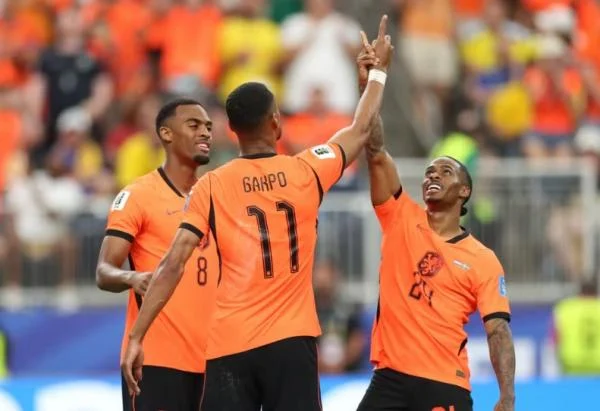
The Netherlands, despite experiencing their most disappointing performance in the history of their participation in the FIFA World Cup 2026, have been recognized for their exemplary conduct throughout the tournament. The Dutch national team, affectionately known as "De Oranje," has been awarded the prestigious FIFA Fair Play Award, a testament to their exceptional discipline and sportsmanship displayed on and off the field during the competition. This accolade stands in stark contrast to their on-field results, highlighting a commitment to the spirit of the game that transcends victory and defeat.
The FIFA World Cup 2026 concluded with Spain clinching their second-ever world title, defeating Argentina 1-0 in a hard-fought final that stretched into extra time. Ferran Torres’ solitary goal proved decisive, etching Spain’s name once again into footballing history. The victory marked a significant moment for "La Roja," capping a tournament that showcased both thrilling performances and compelling narratives from participating nations.
Argentina, the reigning champions from the 2022 edition, had to settle for the runner-up position. Their final match was marked by an unfortunate statistic, as they became the first team in World Cup final history to fail to register a single shot on target. This defensive resilience from Spain, coupled with Argentina’s offensive struggles in the decisive match, ultimately cost Lionel Scaloni’s side a chance to defend their title.
Individually, the Golden Boot race was a closely contested affair. Lionel Messi, the talismanic captain of Argentina, fell short of securing the top scorer award. He concluded the tournament with a commendable eight goals, two shy of the eventual winner, France’s Kylian Mbappé. Mbappé’s blistering form saw him finish with a remarkable 10 goals, solidifying his status as one of the tournament’s standout performers. Other notable goalscorers included England’s Jude Bellingham and Norway’s Erling Haaland, who both netted seven goals, while Harry Kane and Ousmane Dembélé each found the back of the net six times.
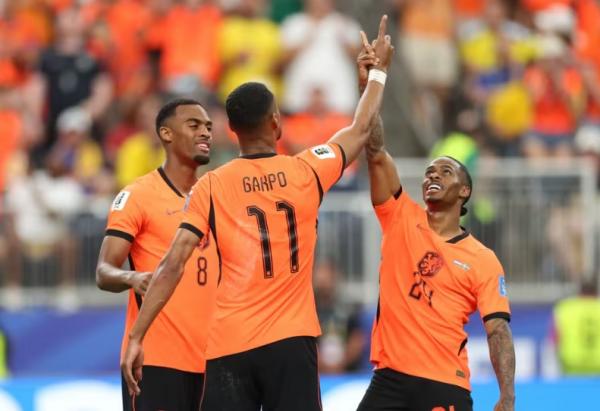
The Netherlands’ World Cup 2026 Journey: A Tale of Two Narratives
The Netherlands’ campaign in the FIFA World Cup 2026 will undoubtedly be remembered as a significant downturn in their storied footballing history. While specific details of their group stage or knockout round exits are not provided in the initial report, the assertion of their "worst result ever" suggests an early departure from the tournament, potentially failing to advance beyond the group stages or suffering a swift elimination in the initial knockout rounds. This outcome would be particularly surprising given the Netherlands’ consistent presence in the latter stages of major international tournaments, including their runners-up finish in 2010 and a third-place finish in 2014.
The team’s historical pedigree in the World Cup is substantial. Since their debut in 1934, the Dutch have appeared in the tournament 11 times, reaching the final on three occasions (1974, 1978, and 2010) and securing a third-place finish twice (1998 and 2014). Their attacking style of play, often characterized by fluid passing and innovative formations, has earned them a global following and a reputation for producing some of the world’s most exciting footballers. Therefore, a historically poor performance in 2026 would represent a significant departure from their usual competitive standards.
The FIFA Fair Play Award: Recognizing Sportsmanship Amidst Disappointment
The awarding of the FIFA Fair Play Award to the Netherlands, in spite of their on-field struggles, underscores FIFA’s commitment to recognizing and promoting fair play as a fundamental aspect of the sport. This award is presented to the team that demonstrates the best record of sportsmanship throughout the tournament, taking into account factors such as fewest yellow and red cards, respect for opponents and officials, and overall conduct.
While the exact disciplinary records of all participating teams are not detailed, the Netherlands’ achievement implies that they accumulated the lowest number of disciplinary infractions. This could include a minimal number of fouls, no instances of serious misconduct, and an adherence to the laws of the game. In a tournament that often witnesses intense competition and high stakes, maintaining such a level of discipline is a significant accomplishment.
FIFA’s emphasis on fair play is not merely symbolic. The organization has consistently promoted initiatives aimed at fostering respect, integrity, and ethical behavior within football. The Fair Play Award serves as a tangible recognition of these values, encouraging teams to prioritize sportsmanship alongside performance. This award can also have a positive impact on younger generations of footballers, setting a standard for how the game should be played.

Context of the FIFA World Cup 2026
The FIFA World Cup 2026, hosted across North America by the United States, Canada, and Mexico, was a landmark event in several respects. It was the first World Cup to be expanded to 48 teams, a decision that generated considerable debate about the quality of competition versus increased global representation. This expansion, as highlighted in a related article, was driven by FIFA’s ambition to broaden the tournament’s reach and provide more opportunities for nations to participate on the world’s biggest stage, with potential benefits for teams like Indonesia.
The tournament, which commenced in June 2026, unfolded over a month-long period, featuring a record number of matches and a diverse array of participating nations. The expanded format meant that the group stage was restructured, and the knockout rounds commenced earlier than in previous tournaments. The logistical challenges of hosting across three countries were considerable, requiring extensive coordination in terms of travel, accommodation, and security.
The final, held in July 2026, brought to a close a tournament filled with drama, upsets, and memorable moments. The success of Spain in lifting the trophy, coupled with the narratives surrounding other teams like Argentina and the Netherlands, contributed to a rich tapestry of stories that defined this edition of the World Cup.
Broader Implications and Analysis
The juxtaposition of the Netherlands’ record-worst performance with their FIFA Fair Play Award presents an interesting case study in the multifaceted nature of success in sports. While on-field results are paramount in determining a team’s standing in a tournament, the recognition of fair play highlights that there are other valuable metrics of achievement. For the Dutch FA and their supporters, this award may offer a degree of solace and a point of pride amidst the disappointment of their World Cup exit. It suggests that even in defeat, the team maintained its integrity and upheld the values that are central to the spirit of football.
The implications of the Fair Play Award extend beyond the immediate tournament. For the Netherlands, it reinforces their reputation as a team that plays the game with respect and dignity. This can be crucial for maintaining positive relationships with other footballing nations, attracting sponsorship, and fostering a positive image for the sport. Furthermore, it serves as a valuable lesson for the current generation of Dutch players and future prospects, emphasizing that character and conduct are as important as technical skill and tactical prowess.
The existence of the Fair Play Award also serves as a subtle reminder to all participating teams that discipline and sportsmanship are actively monitored and valued by FIFA. While the primary objective is to win, the manner in which victory is pursued is also taken into consideration. This can encourage teams to be more mindful of their on-field behavior, potentially leading to a more harmonious and less contentious tournament overall.
The context of the expanded 48-team format in the 2026 World Cup also plays a role. With more teams participating, the diversity of playing styles and disciplinary records is likely to increase. This makes the achievement of a team like the Netherlands, who managed to maintain exemplary conduct amidst the increased pressure and potential for tactical fouls that can arise in a larger tournament, even more noteworthy.
Looking Ahead
As the dust settles on the FIFA World Cup 2026, the Netherlands will undoubtedly embark on a period of introspection and strategic planning to address their disappointing on-field performance. The focus will be on rebuilding and preparing for future competitions, with the aim of restoring their status as a formidable force in international football. The FIFA Fair Play Award, while a commendable recognition, will serve as a reminder of the complete picture of success that FIFA aims to promote. It is a testament to the fact that a team’s legacy is built not only on trophies won but also on the values they embody and the way they conduct themselves on the global stage. The journey ahead for De Oranje will be one of striving to combine their inherent talent with the same spirit of fair play that has now earned them a significant international accolade.