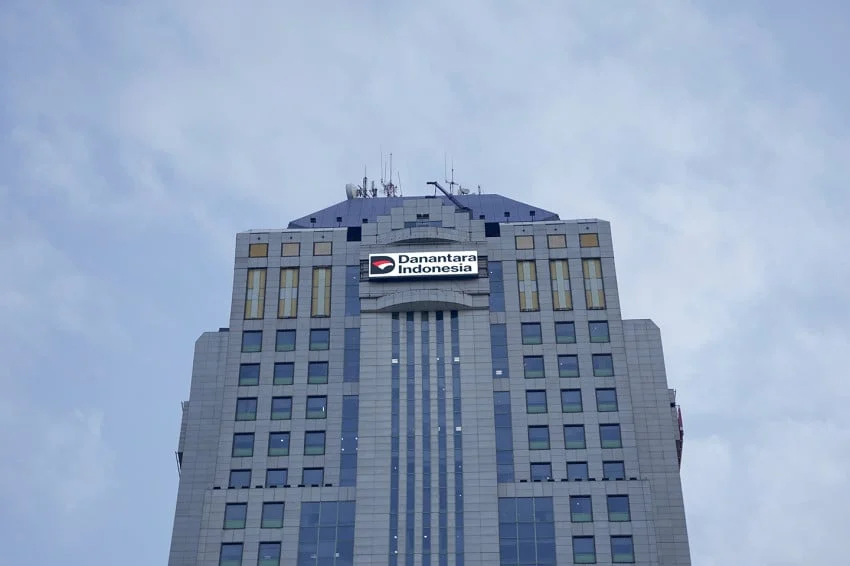
The debut appearance of Danantara Indonesia at a high-profile international forum hosted by TIME magazine in New York City has drawn strong support from communications and branding experts, who emphasize that such global engagements must be evaluated through the lens of strategic investment rather than short-term expenditure. The participation, which took place within the framework of the prestigious TIME100 Next 2026 events, marks a significant milestone for Indonesia’s newly prominent sovereign wealth and investment management ecosystem as it seeks to position itself on the world stage.
Industry observers note that while international outreach by state-backed entities frequently draws public scrutiny regarding cost-efficiency, the overarching strategy behind New York engagements typically focuses on long-term capital attraction, international credibility, and sovereign branding. Fardila Astari, a Measurement and Communication Strategic Expert from Reputasia Strategic Communications Consulting, asserted that Danantara’s decision to engage with global leaders in New York is fundamentally sound, provided that clear Key Performance Indicators (KPIs) and measurable outcomes are established and monitored.
The Strategic Rationale Behind International Exposure
In an interview conducted in Jakarta, Fardila Astari elaborated on the necessity of viewing sovereign entity participation in elite international gatherings as an asset-building exercise rather than a transactional marketing cost. According to her analysis, public and stakeholder discourse surrounding state participation in global forums often misinterprets the nature of reputation-building capital.
“Partisipasi Danantara harus diperlakukan sebagai investment, bukan expenditure. Yang harus dipertanyakan adalah apa tujuannya, value apa yang ingin dihasilkan, dan bagaimana keberhasilannya diukur. Saya melihat keputusan Danantara itu sebagai langkah strategic untuk dikenal secara global,” Fardila stated during her briefing in Jakarta. Translated into the broader context of sovereign asset management, this perspective underscores that global recognition is a critical prerequisite for securing high-value international partnerships, attracting foreign direct investment (FDI), and building trust with multinational institutional investors.
For an institution like Danantara Indonesia—tasked with consolidating and optimizing state-owned enterprise (SOE) assets and driving strategic national investments—establishing a robust international footprint is essential. Global capital markets operate heavily on trust, transparency, and reputation. By stepping onto platforms like the TIME forum, Danantara signals to international markets that Indonesia is actively modernizing its economic governance and presenting stable, professionally managed investment vehicles to the world.
Contextualizing the TIME Forum and Global Sovereign Outreach
The event in question aligns with the broader ecosystem of TIME’s high-profile annual gatherings, which bring together global leaders, innovators, influencers, and institutional heavyweights. Events such as the TIME100 and TIME100 Next franchises command immense global media attention, offering unparalleled visibility among decision-makers, policymakers, and global corporate titans.
Historically, emerging economies and their sovereign investment arms have increasingly utilized major media-sponsored platforms to bypass traditional diplomatic channels and directly engage international capital allocators. This strategy mirrors approaches taken by sovereign wealth funds in the Middle East and Asia, which routinely invest in global forums, cultural partnerships, and media sponsorships to enhance their soft power and economic diplomacy.
When state entities participate in New York-based forums, they enter the nerve center of global finance. Wall Street institutions, multinational venture capitalists, and global pension funds closely monitor these gatherings to identify emerging economic players and assess the commitment of developing nations to international market standards. Therefore, Danantara’s presence at the TIME-hosted forum serves as an introduction to these vital financial networks.
Moving Beyond Vanity Metrics: A Comprehensive Measurement Framework
A central theme in the discourse surrounding Danantara’s New York engagement is the methodology used to measure success. Fardila Astari emphasized that evaluating the effectiveness of such high-level participation requires moving far beyond superficial metrics, such as the frequency of logo placements or social media impressions.
In modern strategic communications and public relations, evaluating the return on investment (ROI) of institutional branding involves a multi-tiered framework encompassing output, outcome, outtake, and impact:
- Output: The baseline tracking of media coverage, press mentions, digital reach, and direct engagements achieved during the event. While necessary, experts agree this is the least consequential metric on its own.
- Outtake: Assessing how the target audience—such as institutional investors, foreign media, and international policymakers—received, understood, and retained the core messages regarding Danantara’s mandate and investment climate.
- Outcome: Measuring tangible behavioral changes among key stakeholders. This includes an increase in inquiries from foreign institutional investors, requests for bilateral meetings, or shifts in sentiment within major financial publications regarding Indonesia’s economic stability.
- Impact: The ultimate long-term contribution to national economic objectives, such as secured foreign direct investment inflows, successful co-investment partnerships with global funds, and an overall lowering of Indonesia’s sovereign risk premium due to enhanced international reputation.
By applying this rigorous framework, stakeholders can hold state institutions accountable while recognizing the nuanced, cumulative nature of reputation building on the global stage.
Broader Implications for Indonesia’s Economic Diplomacy
The emergence of Danantara Indonesia reflects the nation’s evolving strategy in managing state assets and projecting economic influence abroad. As Indonesia continues to pursue ambitious gross domestic product (GDP) growth targets and industrial downstreaming policies, domestic capital alone will not suffice to fund the necessary infrastructure, green transition, and technological modernization.
Attracting foreign capital requires a concerted effort in economic diplomacy. Sovereign wealth funds and strategic investment entities act as the bridge between domestic development projects and international institutional capital. When entities like Danantara engage with international thought leaders and financial elites in global media hubs like New York, they contribute to a broader narrative of economic resilience and reform.
Furthermore, international visibility helps insulate the national economy against external shocks by diversifying potential investor bases and reinforcing confidence among existing partners. A well-managed global communication strategy ensures that international markets understand not just the financial returns available in Indonesia, but also the structural integrity, regulatory transparency, and strategic vision guiding the nation’s economic future.
Conclusion and Future Outlook
As Danantara Indonesia continues to navigate its foundational phase, its foray into international forums such as the TIME-hosted event in New York sets a precedent for how Indonesian state institutions engage with the global community. While fiscal prudence and clear accountability remain paramount, expert analysis suggests that strategic global positioning is not an unnecessary luxury, but an indispensable component of modern sovereign asset management.
Moving forward, the true measure of success for Danantara’s international engagements will not lie in the fanfare of a single event, but in the subsequent translation of global visibility into durable partnerships, strategic investments, and enhanced international trust. By maintaining a clear focus on measurable outcomes and long-term value creation, Danantara can effectively leverage the global stage to support Indonesia’s ongoing economic transformation.