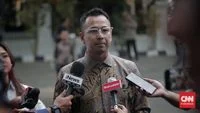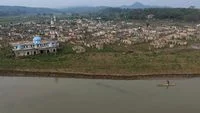
The ongoing development of strategic national infrastructure projects in Indonesia frequently intersects with complex social dynamics, particularly regarding land acquisition and the displacement of local populations. Recently, the focus has turned toward the Karangnongko Dam project located in Blora Regency, Central Java. Danang Wicaksana Sulistya, a member of Commission V of the House of Representatives (DPR RI) representing the Great Movement Party (Gerindra) faction, has formally committed to overseeing the comprehensive relocation of 535 households directly affected by the construction initiative.
This commitment emerged following a series of constituent meetings during the parliamentary recess period, where local residents voiced pressing concerns regarding their impending displacement, compensation frameworks, and the logistics of their relocation. The implications of this infrastructure undertaking extend far beyond regional water resource management, touching upon forestry regulations, inter-ministerial coordination, and socio-economic welfare standards for rural Indonesian communities.
Comprehensive Overview of the Karangnongko Dam Project and Land Acquisition Scope
The construction of the Karangnongko Dam represents a vital component of the national water security strategy, aimed at bolstering agricultural irrigation, mitigating seasonal flooding, and securing raw water supplies in Central Java and surrounding regions. However, such large-scale engineering feats require substantial territorial allocation.
According to parliamentary data provided by Commission V, the infrastructure footprint of the dam encompasses approximately 1,037 individual land parcels distributed across five distinct villages within Blora Regency. These localities include Mendenrejo, which accounts for 17 affected parcels; Ngrawoh with 328 parcels; Nginggil with 177 parcels; Nglebak with 372 parcels; and Megeri with 143 parcels.
Within these designated zones, a total of 535 family heads (KK) have been officially registered as directly impacted, necessitating physical relocation to alternative residential sites. The sheer scale of land conversion highlights the intricate logistical and administrative hurdles facing local governments and national legislators as they strive to balance national developmental goals with the socio-economic security of displaced agrarian communities.
Legislative Intervention and Parliamentary Mechanisms
Responding directly to grievances gathered during his recent constituency outreach, Danang Wicaksana Sulistya affirmed that the plight of the 535 displaced families would be brought to the forefront of national legislative discussions. As a legislator sitting on Commission V—which oversees infrastructure, transportation, public works, rural development, transmigration, and meteorology—Danang holds a strategic platform to influence policy execution.
"This aspiration will be voiced during both working meetings and joint hearings with our partner ministries in Commission V," Danang stated in an official written release.
By channeling these grassroots concerns through official parliamentary mechanisms such as Working Meetings (Raker) and Hearings (RDP), the lawmaker aims to bridge the gap between affected citizens and the relevant executive bodies, including the Ministry of Public Works, the Ministry of Forestry, and the Ministry of Housing and Settlement Areas. The objective is to ensure that the transition process for the displaced population is handled transparently, equitably, and in strict compliance with prevailing legal standards regarding agrarian reform and compensation.
Forestry Regulations and Inter-Agency Coordination Challenges
A central bottleneck in the relocation of the 535 households involves complex regulatory frameworks governing land use designation. Plans currently dictate that the relocation site for the displaced residents will be established on land designated as a Special Purpose Forest Area (KHDTK).
This specific tract of land is presently managed under an academic and operational mandate by Universitas Gadjah Mada (UGM), one of Indonesia’s premier state universities. While initial administrative hurdles regarding the utilization of the land for community resettlement have seen preliminary clearance, a critical procedural step remains outstanding.
The execution of the relocation plan is legally contingent upon obtaining a formal land-use conversion permit from the Ministry of Forestry. The bureaucratic process required to reallocate forestry zones for public infrastructure and residential resettlement is notoriously stringent, designed to prevent environmental degradation and unauthorized deforestation. However, this regulatory rigor often creates delays in humanitarian and developmental logistics. Danang’s oversight aims to press the relevant ministries to streamline inter-agency coordination, ensuring that the administrative transition of the KHDTK land does not stall the broader timeline of the Karangnongko Dam construction.
Broader Regional Development and Infrastructure Synergy
Beyond the immediate scope of the dam project, legislative engagement in Blora Regency has also emphasized holistic regional development, notably through the implementation of the Regional Socio-Economic Infrastructure Development (PISEW) program.
During the official inauguration of PISEW-funded road infrastructure connecting the hamlets of Sunggun and Parengan to Mendenrejo Village within the Kradenan District, Danang utilized the platform to encourage local village heads to proactively identify and propose other community-centric infrastructure initiatives. Among the primary programs highlighted was the Stimulant Assistance for Self-Help Housing (BSPS), commonly known as the housing renovation or "bedah rumah" program.
The promotion of the BSPS program underscores an ongoing governmental push to upgrade substandard housing conditions in rural and impoverished areas across Indonesia. However, bureaucratic impediments frequently restrict the program’s reach among those who need it most.
Administrative Barriers and Housing Policy Reform
Addressing the implementation of social assistance programs, Danang strongly advocated for regulatory simplification within the Ministry of Housing and Settlement Areas (PKP). He specifically urged the ministry to lower administrative barriers and reduce bureaucratic red tape associated with the housing renovation aid for low-income populations.
According to the legislator, cumbersome administrative prerequisites should never act as a structural deterrent preventing marginalized communities from accessing state support. Programs of this nature must remain highly accessible to citizens who demonstrate genuine need.
"When we speak of living quarters, we are not merely discussing physical comfort. We are intrinsically addressing health, safety, and overall quality of life," Danang emphasized.
Substandard housing conditions carry direct correlations with public health vulnerabilities, economic stagnation, and social marginalization. By advocating for streamlined administrative verification processes, parliamentary representatives hope to accelerate the delivery of safe, sanitary, and resilient housing infrastructure to vulnerable segments of the population.
Socio-Economic Implications for Displaced Communities
The intersection of national strategic projects, forestry governance, and localized social welfare initiatives highlights the multifaceted nature of contemporary Indonesian regional development. The relocation of over five hundred families in Blora is not simply a matter of physical relocation; it represents a profound disruption of established social fabrics, local economies, and cultural landscapes tied to ancestral and agrarian lands.
When rural communities are uprooted to make way for major water reservoirs like the Karangnongko Dam, the long-term viability of their livelihoods—frequently reliant on agriculture, localized trade, and forest-adjacent economies—is placed under immense strain. Consequently, the oversight promised by legislative figures serves as a critical safeguard to ensure that compensation is fair, relocation sites are fully equipped with basic public utilities, and displaced citizens are integrated successfully into their new socio-economic environments without suffering a permanent decline in their standard of living.
Future Outlook and Legislative Timelines
As the Karangnongko Dam project progresses toward its operational milestones, the pressure mounts on executive agencies to resolve outstanding land-use permissions and finalize relocation logistics. The collaboration between local stakeholders, regional administrators, and national legislators in Commission V will play a decisive role in determining whether the displacement of the 535 families is managed smoothly or marred by systemic delays.
Danang’s commitment to raising these issues in upcoming parliamentary sessions signals a proactive approach to legislative oversight, aiming to hold implementing bodies accountable to both national development schedules and humanitarian obligations. Ultimately, the successful resolution of the Blora relocation case will serve as an important benchmark for how large-scale national infrastructure projects harmonize technical imperatives with social justice and community welfare across the Indonesian archipelago.