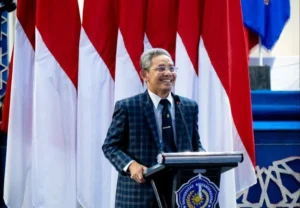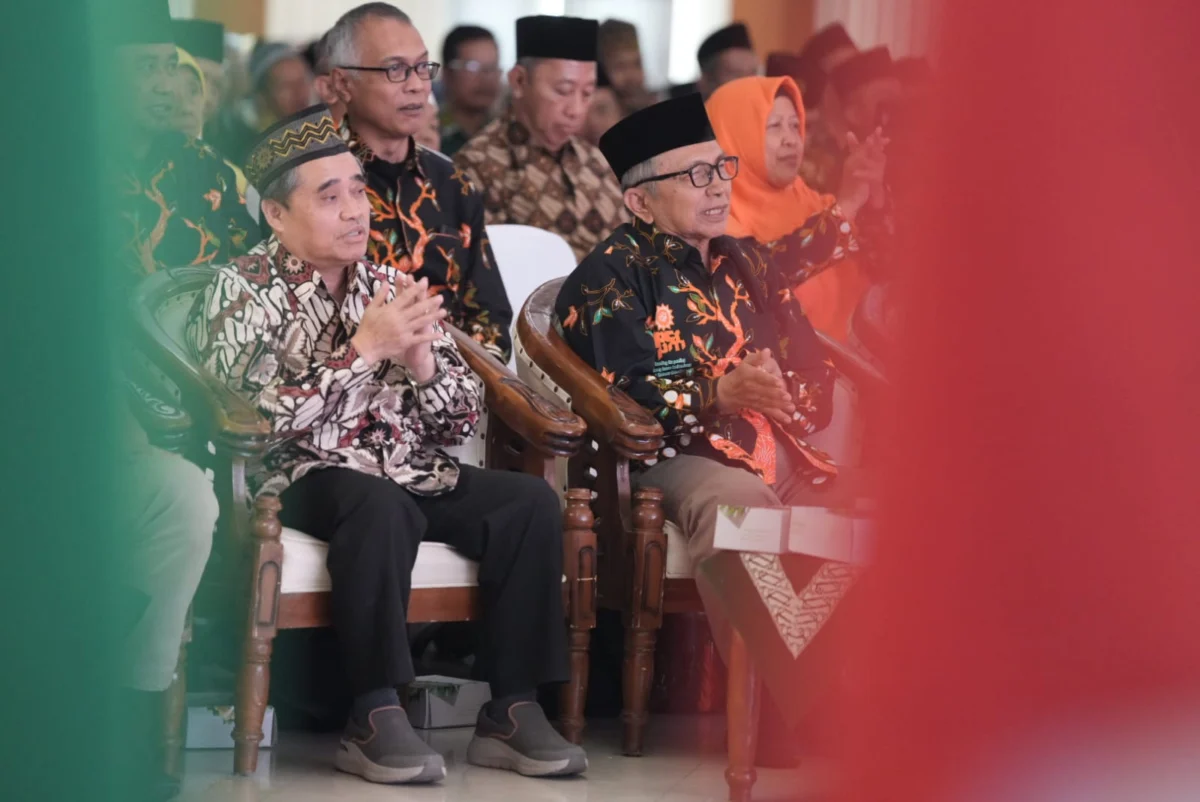
KEBUMEN, CENTRAL JAVA – In a notable revelation during the Kick Off CRM Award VII event at Universitas Muhammadiyah Gombong (Unimugo) in Kebumen Regency on Sunday, July 19, 2020, it was disclosed that Ahmad Dahlan Rais, Chairman of the Central Leadership (PP) of Muhammadiyah, carries the honorific title of "Gus." This significant piece of information, highlighting the deep-rooted scholarly lineage of a prominent figure within Indonesia’s second-largest Islamic organization, was brought to light by Kiai Tafsir, Chairman of the Central Java Regional Leadership (PWM) of Muhammadiyah. The announcement underscores the intricate tapestry of Islamic scholarship and leadership in Indonesia, where traditional honorifics often intersect with modern organizational structures.
Unveiling a Scholarly Pedigree
Kiai Tafsir elucidated that Ahmad Dahlan Rais’s appellation as "Gus Dahlan" is not merely a casual nickname but a recognition of his ancestral heritage. He is a zuriyah, or grandchild, of Mbah Kiai Wiriosoedarmo, a revered Islamic scholar and influential figure hailing from Gombong. This lineage places Ahmad Dahlan Rais within a respected scholarly tradition, a fact that resonates deeply within the Indonesian Islamic community, where family ties to prominent ulama (Islamic scholars) often denote a strong intellectual and spiritual heritage. Kiai Tafsir further highlighted the enduring legacy of Mbah Kiai Wiriosoedarmo, whose name has been immortalized through the Pondok Pesantren Wiriosoedarmo Gombong, a testament to his profound contributions to Islamic education and community development in the region.
The revelation occurred during an event designed to celebrate excellence in Customer Relationship Management (CRM), an initiative that, in the context of Muhammadiyah’s educational institutions like Unimugo, typically refers to effective engagement with students, faculty, staff, and the wider community. The CRM Award VII serves as a platform to recognize exemplary practices in fostering strong relationships and ensuring the well-being and satisfaction of stakeholders, aligning with Muhammadiyah’s holistic approach to education and social service. The choice of Unimugo, a Muhammadiyah-affiliated university, as the venue for such an event further emphasizes the organization’s commitment to both academic excellence and community-centric values.
A Playful Response to a Revered Title
Responding to Kiai Tafsir’s lighthearted disclosure, Ahmad Dahlan Rais addressed the revelation with characteristic humility and humor. With a jesting tone, he acknowledged the "Gus" title but playfully expanded on his personal collection of honorifics, claiming to be not only a "Gus" but also "Wali," and not just one, but many. He elaborated on his "Wali" titles, referencing roles such as wali murid (parent’s guardian/representative), wali kelas (class guardian/teacher), wali santri (student’s guardian), and various other responsibilities entrusted to him, alluding to the diverse applications of the term "wali" in Indonesian society, which can range from "saint" or "guardian" to simply "representative" or "custodian." This self-deprecating yet insightful response resonated with the audience, showcasing his approachable leadership style and deep understanding of cultural nuances.
The term "Gus" itself holds significant cultural weight in Indonesia, particularly within traditional Islamic circles. It is an honorific traditionally bestowed upon the sons or grandsons of esteemed kyai (religious scholars and leaders, often associated with pesantren or Islamic boarding schools), signifying a noble lineage and a potential future role in religious leadership. While more commonly associated with Nahdlatul Ulama (NU), the other major Islamic organization in Indonesia known for its traditionalist approach, its application to a prominent Muhammadiyah figure like Ahmad Dahlan Rais highlights the shared cultural heritage and the interconnectedness of various Islamic streams in the country. This recognition of lineage within Muhammadiyah, an organization historically known for its modernist and reformist outlook, underscores a nuanced appreciation for traditional scholarship and ancestral contributions.
Chronology of Ancestral Contributions
The story of Ahmad Dahlan Rais is intricately linked to the historical timeline of Muhammadiyah’s expansion and the contributions of his forebears. Mbah Kiai Wiriosoedarmo, his grandfather, played a pivotal role in the early 20th century. Born in Karangmojo, Kiai Wiriosoedarmo was not merely a scholar but an active proponent of Muhammadiyah’s nascent movement. He was instrumental in establishing and developing Muhammadiyah in Gombong during its formative years, a period marked by the organization’s vigorous efforts to spread its reformist message across the archipelago. His dedication laid the groundwork for Muhammadiyah’s enduring presence in the region, focusing on modernizing Islamic education and promoting social welfare initiatives. The establishment of Pondok Pesantren Wiriosoedarmo Gombong stands as a living testament to his vision and commitment to fostering future generations of Islamic leaders and educated citizens. "This always remains a source of immense pride for us," Ahmad Dahlan Rais affirmed, acknowledging the profound legacy of his grandfather.
Beyond Ahmad Dahlan Rais, the event also shed light on another figure carrying a similar esteemed lineage: Mohammad Yahya Fuad, Chairman of the Gombong Branch Leadership (PCM) of Muhammadiyah. Kiai Tafsir referred to him as "Gus Fuad," recognizing him as the son of Kiai Abu Dardiri. Kiai Abu Dardiri, a revered ulama pejuang (struggling scholar), holds a significant place in Indonesian history, particularly for his instrumental role as one of the primary proponents for the establishment of the Ministry of Religious Affairs (Kementerian Agama) of the Republic of Indonesia. His tireless advocacy contributed to the institutionalization of religious affairs within the newly independent nation, ensuring that religious freedom and education were protected and promoted at a state level. Kiai Abu Dardiri’s leadership of Muhammadiyah Banyumas for an impressive 33 years, from 1930 to 1963, further cemented his legacy as a committed leader and a compassionate dermawan (philanthropist), known for his generosity and dedication to community upliftment.
Broader Impact and Implications
The revelation of these lineages within Muhammadiyah carries several significant implications for understanding the dynamics of Islamic leadership and identity in Indonesia.
Bridging Traditions: While Muhammadiyah is traditionally known for its modernist, reformist approach, emphasizing ijtihad (independent reasoning) and a direct return to the Quran and Sunnah, the acknowledgment of "Gus" titles within its leadership demonstrates a nuanced appreciation for traditional Islamic scholarship and inherited wisdom. This suggests a potential bridging of the perceived gap between modernist and traditionalist Islamic organizations in Indonesia, highlighting shared cultural roots and a mutual respect for scholarly lineage. It underscores that even within reformist movements, the weight of ancestry and scholarly heritage remains a significant factor in cultural and social capital.
Recognizing Diverse Pathways to Leadership: The fact that leaders like Ahmad Dahlan Rais and Mohammad Yahya Fuad, despite their traditional "Gus" titles, have risen through the ranks of Muhammadiyah’s structured organizational framework illustrates the diverse pathways to leadership within Indonesian Islam. It shows that while traditional lineage provides a strong foundation and recognition, it is often complemented by active participation, organizational commitment, and demonstrated leadership within modern Islamic organizations.
Strengthening Community Ties: The public acknowledgment of these lineages can serve to strengthen the bonds between Muhammadiyah and the broader Indonesian Muslim community, particularly those who deeply value traditional pesantren education and the veneration of kyai and their descendants. This can foster greater understanding and collaboration between different Islamic groups, promoting unity within the ummah (global Muslim community) in Indonesia.
The Role of Education and Legacy: The enduring legacy of figures like Mbah Kiai Wiriosoedarmo and Kiai Abu Dardiri, particularly their contributions to education and institution-building (such as Pondok Pesantren Wiriosoedarmo Gombong and the Ministry of Religious Affairs), underscores Muhammadiyah’s foundational commitment to intellectual development and societal progress. By highlighting these ancestral ties, the organization reaffirms its historical roots and the continuity of its mission across generations.
Humor in Leadership: Ahmad Dahlan Rais’s witty response to his "Gus" title, playfully reinterpreting "Wali" to encompass his various guardian and representative roles, reflects a leadership style that is both authoritative and approachable. This use of humor in public discourse can foster greater rapport with constituents, making leaders more relatable and human, while subtly conveying the weight of their responsibilities. It demonstrates an understanding that leadership, while serious, can also embrace lightness and self-awareness.
A Deeper Look at Muhammadiyah’s Identity: This revelation offers a deeper insight into Muhammadiyah’s evolving identity. While adhering to its core reformist principles, the organization is also deeply embedded in the cultural and historical context of Indonesian Islam. The presence of leaders with traditional scholarly lineage suggests that Muhammadiyah is not a monolithic entity but a dynamic organization that embraces diverse backgrounds and acknowledges the multifaceted nature of Islamic scholarship and community leadership. It showcases a blend of modernity and tradition that is characteristic of Indonesia’s unique religious landscape.
In conclusion, the disclosure of Ahmad Dahlan Rais’s "Gus" title at the Unimugo CRM Award VII event in Kebumen is more than just a biographical detail; it is a profound cultural and historical moment. It illuminates the rich and complex layers of Islamic identity in Indonesia, where ancestral lineage, traditional honorifics, and modern organizational leadership converge. This event serves as a reminder of the continuous interplay between tradition and modernity within Indonesia’s vibrant Islamic landscape, celebrating both the enduring legacy of past scholars and the dynamic leadership of contemporary figures within one of the nation’s most influential religious organizations.