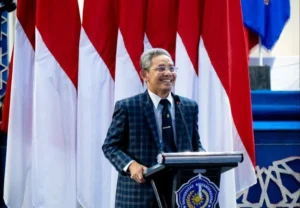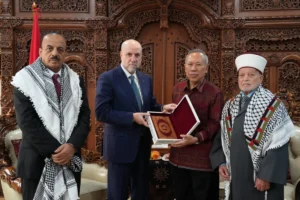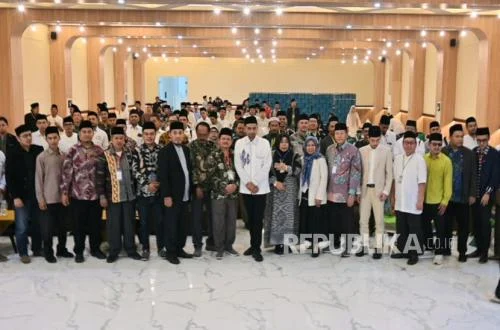
Bandung, Indonesia – In a significant move towards modernizing and empowering Islamic boarding schools across Indonesia, the Majelis Ulama Indonesia (MUI) Pesantren Commission successfully convened the Multaqa Ru’asa’ al-Ma’ahid II (Second Meeting of Pesantren Leaders) at STMIK AMIK Bandung on Saturday, July 18, 2026. This pivotal gathering served as a crucial preliminary event for the upcoming VIII Indonesian Muslim Congress (KUII VIII), focusing intently on the theme "Analysis of Potential and Business Incubation of Islamic Boarding Schools." The forum brought together a diverse array of stakeholders, including pesantren leaders, prominent academics, government representatives, and various industry players, to deliberate on strategic pathways for bolstering the economic self-reliance of pesantren through robust cross-sector collaboration and the judicious integration of digital technology. A key highlight of the event was the formal signing of a cooperation agreement between STMIK AMIK Bandung and Asuransi Jasa Raharja Putera, ensuring comprehensive insurance coverage for all students enrolled at the technology institution, underscoring a commitment to student welfare alongside educational advancement.
Background and Context: The Enduring Role of Pesantren in Indonesia
Indonesia’s Islamic boarding schools, or pesantren, represent a cornerstone of the nation’s educational and social fabric. With roots stretching back centuries, these institutions have historically served as vital centers for religious learning, moral development, and community building. Beyond their primary function of imparting Islamic knowledge, pesantren have long been incubators for local economies, often engaging in agricultural activities, handicrafts, and small-scale businesses to sustain themselves and their communities. According to data from the Ministry of Religious Affairs, Indonesia boasts over 28,000 pesantren, educating millions of students (santri) nationwide. This vast network holds immense untapped potential for national development, particularly in fostering economic independence and adapting to the demands of the 21st century.
However, despite their historical resilience and cultural significance, many pesantren face contemporary challenges, including limited access to modern infrastructure, insufficient funding, and a struggle to integrate contemporary vocational and digital skills into their traditional curricula. Recognizing these challenges and the imperative for adaptation, the MUI Pesantren Commission has taken a proactive stance. The commission, mandated by the Majelis Ulama Indonesia – the highest Islamic clerical body in Indonesia – plays a crucial role in formulating policies and programs that support the development and modernization of pesantren while preserving their core Islamic values. Its work aims to ensure that pesantren remain relevant and impactful contributors to Indonesian society, particularly in an era defined by rapid technological advancements and economic shifts.
The Indonesian Muslim Congress (KUII) VIII: A National Imperative
The Multaqa Ru’asa’ al-Ma’ahid II is not an isolated event but a strategic precursor to the VIII Indonesian Muslim Congress (KUII VIII). KUII is a quinquennial national forum that brings together prominent Islamic scholars, leaders, and intellectuals from across Indonesia to discuss critical issues facing the Muslim community and the nation. It serves as a platform for generating collective recommendations and action plans on various aspects of religious, social, economic, and political life. Previous congresses have tackled themes ranging from national unity and interfaith harmony to economic justice and youth empowerment. By holding the Multaqa as a "Pra-KUII VIII" event, the MUI Pesantren Commission is meticulously preparing a robust set of recommendations specifically focused on the economic empowerment of pesantren, ensuring that this vital sector’s voice and needs are prominently addressed at the national congress. The findings and proposed strategies from the Multaqa are expected to form the basis of a comprehensive roadmap for pesantren development that will be presented and debated at KUII VIII, potentially influencing national policies and resource allocation for years to come.
Chronology and Key Discussions of the Multaqa
The Multaqa Ru’asa’ al-Ma’ahid II commenced on Saturday, July 18, 2026, at the modern facilities of STMIK AMIK Bandung, a strategic choice symbolizing the integration of technology with traditional Islamic education. The day’s agenda was packed with intensive discussions and presentations. The forum’s opening saw a convergence of thought leaders, including dozens of pesantren rectors and leaders, prominent academics specializing in economics and technology, representatives from various government ministries, and figures from the private sector and non-governmental organizations.
The core of the discussions revolved around identifying the latent economic potential within pesantren and exploring innovative models for business incubation. Participants engaged in breakout sessions and plenary discussions covering topics such as:
- Asset Maximization: Strategies for optimizing the vast land assets owned by many pesantren, transforming underutilized plots into productive agricultural or commercial ventures.
- Digital Economy Integration: The crucial role of digital marketing, e-commerce, and information technology in expanding the market reach of pesantren products and services.
- Vocational Skill Development: The need to equip santri with market-relevant skills beyond traditional religious studies, preparing them for diverse career paths.
- Access to Capital and Funding: Exploring mechanisms for pesantren to access microfinance, cooperative models, and philanthropic funding to kickstart and scale their businesses.
- Partnerships and Synergies: Emphasizing the importance of collaboration between pesantren, government agencies, private companies, and academic institutions to create a supportive ecosystem for economic growth.
A significant outcome on the event day was the signing of a Memorandum of Understanding (MoU) between the host institution, STMIK AMIK Bandung, and Asuransi Jasa Raharja Putera. This partnership is poised to provide comprehensive insurance coverage for all students of STMIK AMIK Bandung, reflecting a proactive approach to student welfare and risk management within the educational sector. While the specific details of the insurance package were not fully disclosed, it is understood to encompass accident and health coverage, providing peace of mind for students and their families. This collaboration also subtly underscores the financial and operational robustness of STMIK AMIK Bandung, making it an ideal partner for the MUI Commission’s forward-looking initiatives.
Strategic Initiatives for Economic Empowerment
On Sunday, July 19, 2026, following the conclusion of the Multaqa, key figures involved in the event shared further details and elaborated on the strategic initiatives planned. Muhammad Iqbal, Secretary of the MUI Pesantren Commission, articulated the overarching goal: to prepare actionable and impactful recommendations for KUII VIII, particularly concerning the economic empowerment of pesantren.
"Alhamdulillah, today the MUI Pesantren Commission held its second Multaqa in preparation for KUII VIII. This time, our theme is the economic independence of pesantren," Iqbal stated, emphasizing the urgency and strategic importance of the discussions. He further elaborated on two flagship programs emerging from the Multaqa:
-
Synergy for Productive Land Utilization: This program aims to foster collaboration between pesantren and various government ministries, including the Ministry of Agriculture, Ministry of Cooperatives and SMEs, and potentially the Ministry of Environment and Forestry. The objective is to identify and develop the substantial land assets owned by many pesantren for productive purposes. This could involve cultivating high-value agricultural commodities, establishing sustainable forestry projects, or developing small-scale industrial zones. The vision is to transform these lands from mere assets into engines of economic growth, generating income for the pesantren and creating employment opportunities for local communities and santri. This initiative also promotes food security and sustainable resource management, aligning with broader national development goals.
-
Santripreneur Program with Digital Marketing Focus: Recognizing the undeniable power of the digital economy, the MUI Pesantren Commission is spearheading the "Santripreneur" program, designed to equip santri with essential digital marketing skills. This ambitious program will specifically partner with STMIK AMIK Bandung, leveraging the institution’s expertise in information technology and digital education. Under this initiative, selected santri will receive scholarships to undergo specialized training in digital marketing, covering areas such as e-commerce, social media marketing, content creation, and online brand building. The ultimate goal is to empower these santri to become "kader penggerak ekonomi" – economic drivers – within their respective pesantren, enabling them to market pesantren products and services effectively, develop new digital businesses, and contribute to the local digital economy. Iqbal expressed hope for collaboration with institutions like Baznas (Badan Amil Zakat Nasional) to fund these scholarships, ensuring broader access for deserving santri.
Official Reactions and Strategic Endorsements
The choice of STMIK AMIK Bandung as the host institution garnered significant praise and was highlighted as a forward-thinking decision by the MUI. Mokhamad Mahdum, Leader of Baznas RI, lauded the move, describing it as an "extraordinary breakthrough." Mahdum underscored the symbolic significance of selecting a technology-focused campus, rather than a traditional religious institution, for such a crucial event.
"This demonstrates a new perspective from MUI regarding the future of pesantren," Mahdum remarked. "The fact that the Pesantren Commission’s event was held at a campus known for technology, not one based on religious education, shows that the kiai (religious scholars) in MUI are thinking far ahead, understanding that pesantren must be capable of adapting to the developments of the times." This endorsement from Baznas, a key philanthropic organization responsible for managing zakat funds, also signals a strong potential for financial support for the Santripreneur program, aligning with Baznas’s mandate to empower communities through economic development and education.
From the perspective of STMIK AMIK Bandung, hosting the Multaqa reinforces its commitment to national development and its role in bridging the gap between traditional education and modern technology. A representative from the institution, speaking on condition of anonymity, expressed pride in being chosen and reiterated their dedication to supporting the digital transformation of pesantren through educational programs and partnerships. The partnership with Jasa Raharja Putera further illustrates the campus’s holistic approach to student welfare and its growing network of collaborations with leading industry players.
Broader Impact and Future Implications
The Multaqa Ru’asa’ al-Ma’ahid II and its ensuing initiatives signal a transformative era for Indonesia’s pesantren. The shift towards economic independence and digital integration carries profound implications for various sectors:
- Future of Islamic Education: This initiative marks a significant step in modernizing the curriculum and vocational training within pesantren, ensuring that santri are not only proficient in religious sciences but also equipped with contemporary skills vital for the job market and entrepreneurship. It encourages a more holistic educational model that balances spiritual and material development.
- Local Economic Development: By unlocking the economic potential of pesantren, these institutions can become powerful hubs for local economic growth. New businesses, agricultural ventures, and digital enterprises initiated by santri can create jobs, stimulate local markets, and reduce economic disparities in rural areas where many pesantren are located.
- Digital Inclusion and Literacy: The Santripreneur program directly addresses the digital divide, empowering a generation of young Muslims with critical digital marketing skills. This not only enhances their individual economic prospects but also contributes to Indonesia’s broader digital economy and ensures that religious institutions remain relevant in a technologically driven world.
- Government Policy and Collaboration: The recommendations emerging from the Multaqa and KUII VIII are expected to inform and influence national policies concerning religious education, youth empowerment, and economic development. The emphasis on cross-sector collaboration between government, religious bodies, academia, and the private sector sets a precedent for integrated approaches to national challenges.
- Model for Other Institutions: The success of these programs within pesantren could serve as a valuable model for other traditional educational institutions in Indonesia and beyond, demonstrating how cultural heritage and modern innovation can be harmoniously integrated for sustainable development.
In conclusion, the Multaqa Ru’asa’ al-Ma’ahid II represents a pivotal moment in the ongoing evolution of Indonesia’s pesantren. By championing economic independence and embracing digital transformation, the MUI Pesantren Commission, in collaboration with forward-thinking institutions like STMIK AMIK Bandung and supportive organizations such as Baznas and Jasa Raharja Putera, is not merely preparing recommendations for a congress. It is actively laying the groundwork for a more resilient, economically vibrant, and technologically adept future for millions of santri and the communities they serve, ensuring that these cherished institutions continue to thrive and contribute meaningfully to the nation’s progress in the 21st century.