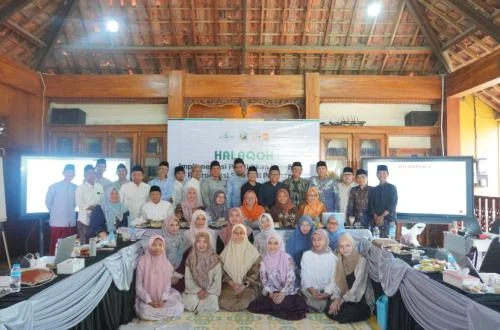
JAKARTA – The Nahdlatul Ulama Executive Board (PBNU), Indonesia’s preeminent Islamic organization, has unequivocally affirmed its commitment to integrate comprehensive reproductive health education within the nation’s vast network of Islamic boarding schools, or pesantren. This pivotal initiative is designed as a proactive measure to cultivate secure and nurturing educational spaces, directly addressing the escalating concerns surrounding sexual violence against students (santri). The significant pledge was articulated through the Gerakan Maslahat Keluarga Nahdlatul Ulama (GKMNU), the NU Family Welfare Movement, during a landmark Halaqah on the Implementation of Santri Reproductive Health Education held at Pondok Pesantren KHAS Kempek in Cirebon, West Java, on Monday, July 20, 2026. This crucial gathering convened pesantren leaders from both West and Central Java, signaling a broad regional commitment to this vital educational reform.
Background and Context: The Imperative for Change in Indonesian Pesantren
Indonesia’s pesantren are more than just educational institutions; they are foundational pillars of society, shaping the moral, spiritual, and intellectual fabric of millions of young people. With an estimated 28,000 pesantren across the archipelago, housing several million santri, their influence is unparalleled. These institutions often serve as homes away from home, providing immersive environments where students live, learn, and grow under the guidance of revered Kiai and Ulemas. The unique, often secluded, and hierarchical nature of some pesantren, however, has in recent years also brought to light a deeply troubling issue: the vulnerability of santri to various forms of violence, including sexual abuse. Reports from national human rights bodies like Komnas Perempuan (National Commission on Violence Against Women) and Komnas PA (National Commission for Child Protection) have consistently highlighted the persistent challenges of sexual violence in educational settings, including religious schools. These incidents, often shrouded in silence due to cultural taboos, fear of reprisal, or damage to institutional reputation, underscore an urgent need for systemic interventions.
PBNU, with its long-standing history as a progressive and influential voice within Indonesian Islam, has increasingly recognized its responsibility to address these societal maladies head-on. Historically, PBNU has been at the forefront of advocating for social justice, human rights, and community welfare, often interpreting Islamic teachings in ways that promote modernity and inclusivity. The establishment of the Gerakan Maslahat Keluarga Nahdlatul Ulama (GKMNU) further exemplifies this commitment. GKMNU’s mandate extends beyond traditional religious instruction to encompass holistic family welfare, including health, education, and protection, thereby positioning it as a natural vehicle for advancing reproductive health initiatives within the NU sphere of influence. The current drive to integrate reproductive health education into pesantren curricula is a direct response to the escalating cases of violence and a proactive step towards fulfilling PBNU’s broader vision of creating a just and safe society, particularly for its most vulnerable members—the youth. This initiative aligns with global calls for comprehensive sexuality education, adapted to local contexts, as a fundamental human right and a powerful tool for empowerment and protection.
The Halaqah Initiative: PBNU’s Strategic Intervention for Safety
The Halaqah on the Implementation of Santri Reproductive Health Education at Pondok Pesantren KHAS Kempek on July 20, 2026, served as a critical forum for PBNU to articulate its vision and mobilize key stakeholders. The participation of numerous pesantren leaders from West and Central Java was instrumental, reflecting a collective acknowledgment of the problem and a shared desire for solutions. Alissa Qatrunnada Wahid, Head of PBNU’s Community Welfare Department, a prominent advocate for human rights and daughter of Indonesia’s fourth President Abdurrahman Wahid, emphasized the critical urgency of the initiative. "We want to immediately anticipate and prepare the pesantren ecosystem so that their understanding of reproductive health is better, enabling us to tackle the issue of sexual violence in pesantren," Alissa stated, underscoring the preventative and protective dimensions of the program.
The halaqah was not merely an awareness campaign but a strategic discussion aimed at formulating concrete implementation strategies. Alissa Wahid highlighted that combating sexual violence effectively requires more than just enforcing rules and regulations. While disciplinary measures are undoubtedly crucial, they must be complemented by a robust educational framework that empowers santri with knowledge about their own bodies, personal boundaries, reproductive functions, and the importance of consent from an early age. This comprehensive approach moves beyond punitive measures to proactive education, fostering an environment where understanding and respect are paramount. The discussions focused on how to integrate these sensitive topics into the existing pesantren curriculum in a culturally appropriate and pedagogically effective manner, ensuring that the teachings resonate with Islamic values while addressing contemporary health and safety concerns. This approach recognizes that knowledge is a primary defense, enabling santri to better understand risks, communicate discomfort, and seek assistance when needed, thus breaking cycles of silence and vulnerability.
Addressing the Broader Scope of Reproductive Health: Beyond Narrow Perceptions
A central tenet of PBNU’s initiative, as articulated by Alissa Wahid, is the necessity to broaden the societal understanding of reproductive health. She pointed out a pervasive misconception that often narrowly defines reproductive health solely in terms of sexual behavior. This limited perspective, Alissa argued, has historically hindered open discussions and effective educational interventions. "Many misunderstandings have occurred regarding reproductive health. It is often thought that reproductive health is solely about sexual behavior, when in fact, reproductive health also discusses maternal, infant, and child mortality rates," she explained. This nuanced understanding is crucial for several reasons, directly linking reproductive health education to national development goals and the overall well-being of the youth:
-
Maternal and Child Health: Indonesia’s Maternal Mortality Rate (MMR), while showing a downward trend, remains a significant public health challenge. According to the 2015 Intercensal Population Survey (SUPAS), Indonesia’s MMR stood at approximately 305 per 100,000 live births, indicating that substantial efforts are still needed to meet the Sustainable Development Goals (SDG) target of reducing MMR to less than 70 per 100,000 live births by 2030. Similarly, infant mortality rates (IMR) also present an area for continued improvement. Comprehensive reproductive health education, encompassing pre-marital counseling, nutritional awareness, an understanding of safe pregnancy practices, and the importance of professional medical care, can significantly contribute to reducing these mortality rates. By empowering young people, especially women, with the knowledge to make informed health decisions before and during pregnancy, and to seek timely medical intervention, the long-term health outcomes for both mothers and children can be dramatically improved. This also includes education on family planning, allowing individuals and couples to make conscious decisions about family size and spacing, which directly impacts maternal health.
-
Adolescent Health and Anemia: Alissa Wahid specifically drew attention to the issue of anemia among young people. "It also talks about anemia in young people, which will affect their reproductive process when they get married later," she noted. Studies by the Ministry of Health and research institutions consistently indicate a high prevalence of anemia among adolescent girls in Indonesia, with figures often ranging from 20-30% in various regions. This public health concern is exacerbated in certain communities due to dietary habits and limited access to fortified foods. Anemia in adolescence has far-reaching consequences, impacting cognitive development, academic performance, and physical stamina. Crucially, it also poses significant risks for future reproductive health, increasing the likelihood of complications during pregnancy, such as preterm birth, low birth weight, and even maternal mortality. Early education on nutrition, iron supplementation, and healthy lifestyle choices, integrated within a broader reproductive health curriculum, can play a transformative role in addressing this widespread public health challenge, ensuring a healthier foundation for future generations.
-
Preparation for Healthy Parenthood: Beyond immediate health concerns, reproductive health education equips young people with the knowledge and skills necessary for responsible parenthood. This includes understanding the biological aspects of reproduction, the dynamics of healthy relationships, effective communication, and the profound responsibilities inherent in raising children. It also encompasses aspects of gender equality, mutual respect, and shared responsibilities within a family unit. By fostering a holistic understanding of reproduction and family life, PBNU aims to prepare a generation of informed and healthy prospective parents, thereby contributing to the creation of stronger, more resilient families that can provide nurturing environments for their children. This preparation is critical for breaking cycles of poverty and violence, promoting intergenerational well-being.
The Challenge of Implementation in Pesantren: Navigating Cultural Sensitivities and Traditions
Implementing such a comprehensive program within pesantren, deeply rooted in tradition and often characterized by conservative social norms, presents unique challenges that require careful consideration and strategic planning.
- Cultural Sensitivities and Taboos: Discussions surrounding sexuality and reproductive health have long been considered taboo in many Indonesian communities, particularly in religious settings. Overcoming this cultural barrier requires careful communication strategies, emphasizing the Islamic principles of protection, health, and family welfare (maslahat) that underpin the initiative. The framing of these topics within a moral and ethical Islamic framework, rather than purely secular terms, is essential for gaining acceptance.
- Role of Ulemas and Kiai: The acceptance and success of this program heavily depend on the endorsement and active participation of the Kiai and Ulemas, who hold immense moral and religious authority within their respective pesantren. Their leadership in promoting and integrating these topics into the curriculum, and their willingness to discuss these issues openly, will be crucial for legitimacy and sustained impact. Their role as interpreters of religious texts and guides for their communities makes their buy-in indispensable.
- Curriculum Development: Crafting a curriculum that is both medically accurate, culturally sensitive, and aligned with Islamic teachings requires meticulous effort. It necessitates a pedagogical approach that can address complex topics like puberty, consent, sexual violence prevention, hygiene, and reproductive anatomy in a manner appropriate for different age groups and educational levels within the pesantren system. This may involve developing new materials or adapting existing ones to fit the specific context and values of pesantren.
- Teacher Training: Equipping pesantren educators (ustadz/ustadzah) with the necessary knowledge, confidence, and sensitivity to teach reproductive health effectively is paramount. Training programs must address both the scientific aspects of reproductive health and the pedagogical skills required to facilitate open, non-judgmental, and respectful discussions. It is also important to train them in identifying signs of abuse and knowing how to respond appropriately and refer students to support services.
- Ensuring Safe Spaces: Creating an environment where santri feel safe to ask questions, express concerns, and seek help without fear of stigma, judgment, or reprisal is fundamental. This includes establishing confidential reporting mechanisms for cases of violence, ensuring access to counseling services, and fostering a culture of trust and open communication between students and trusted adults within the pesantren. The establishment of dedicated welfare officers or ombudsmen might also be considered.
Statements and Reactions from Related Parties
PBNU’s initiative is expected to garner widespread support from various sectors, indicative of a growing national consensus on the importance of child protection and comprehensive education.
- Pesantren Leaders: While acknowledging the inherent challenges of introducing sensitive topics, the pesantren leaders present at the halaqah, by their very attendance and participation, signaled their readiness to embrace this progressive step. An inferred statement from a participating Kiai might suggest: "The safety and well-being of our santri are paramount. We understand the profound responsibility we bear and are committed to implementing guidance that protects them and prepares them for a healthy future in accordance with Islamic values." This highlights their dedication to safeguarding their students while preserving the spiritual essence of pesantren education.
- Government and Ministry of Religious Affairs: The Indonesian government, through the Ministry of Religious Affairs (Kementerian Agama), is expected to commend PBNU’s proactive stance. Official statements would likely emphasize the importance of collaborative efforts between religious organizations and the state to ensure the safety and holistic development of students in all educational institutions. Support could manifest in policy frameworks, resource allocation for teacher training, or curriculum development assistance, potentially integrating PBNU’s model into broader national educational guidelines for religious schools.
- Child Protection Advocates and Non-Governmental Organizations (NGOs): Organizations dedicated to child protection and gender equality would undoubtedly welcome PBNU’s initiative as a significant breakthrough. They would likely laud the recognition of education as a powerful tool for prevention and empowerment. An advocate from a leading child protection NGO might state: "This move by PBNU is a critical step forward in addressing violence against children in religious institutions. By de-tabooing reproductive health education and framing it as a matter of welfare and protection, they are not only safeguarding santri but also setting a vital precedent for other communities and educational bodies."
- Public Health Experts: Medical and public health professionals would endorse the holistic approach to reproductive health, recognizing its potential to improve national health indicators, particularly concerning maternal and adolescent health. They would likely offer technical expertise, research data, and resources for curriculum development, teacher training, and monitoring and evaluation of the program’s effectiveness, ensuring that the content is evidence-based and aligned with international best practices.
Broader Impact and Implications
PBNU’s bold step to champion comprehensive reproductive health education in pesantren holds far-reaching implications, positioning it as a potentially transformative national initiative.
- Cultural Shift and De-tabooing Discussions: This initiative has the potential to gradually dismantle long-standing cultural taboos surrounding reproductive health and sexuality within conservative religious communities. By framing these discussions within an Islamic context of protection, health, and well-being, PBNU can normalize these vital conversations, making it easier for santri to seek information and help, and for families to discuss these topics openly at home. This shift can contribute to a more open and health-conscious society.
- Empowerment of Santri: Equipping students with accurate information about their bodies, rights, and boundaries empowers them to identify and report abuse, make informed health choices, and protect themselves. This knowledge is crucial for fostering self-respect, autonomy, and agency among young people, enabling them to navigate complex social situations with greater confidence and resilience.
- Strengthening Pesantren’s Role as Progressive Institutions: By proactively addressing contemporary social issues like sexual violence and public health challenges, pesantren can reinforce their image as dynamic, responsible, and forward-thinking educational institutions that prioritize the holistic development and safety of their students. This could enhance their legitimacy and appeal in an evolving society, demonstrating their capacity to adapt traditional values to modern challenges.
- Contribution to National Health Goals: The program’s emphasis on maternal and child health, as well as adolescent nutrition and the prevention of anemia, directly contributes to Indonesia’s broader public health objectives and its commitment to the Sustainable Development Goals (SDGs). By improving the health literacy of millions of santri, PBNU is making a substantial investment in the health of future generations, potentially leading to reductions in preventable diseases and improved quality of life.
- PBNU’s Continued Leadership: This initiative further cements PBNU’s position as a leading voice for social progress and welfare within the Islamic world. It demonstrates the organization’s capacity to adapt to modern challenges while remaining true to its foundational principles of promoting maslahat (public welfare) for all. This proactive stance reinforces PBNU’s role as a moral compass and a catalyst for positive change in Indonesian society.
In conclusion, the Nahdlatul Ulama’s commitment to implementing comprehensive reproductive health education in pesantren marks a significant and commendable stride towards creating safer, healthier, and more empowered communities. By challenging narrow perceptions and embracing a holistic view of reproductive health, PBNU is not only safeguarding its santri from violence but also laying the groundwork for a healthier, more informed, and resilient future generation in Indonesia. This initiative serves as a powerful testament to the transformative potential of education when coupled with visionary leadership and a profound commitment to human dignity and welfare, promising a ripple effect of positive change across the nation’s diverse educational landscape.