The political landscape of Central Java is beginning to take shape as the 2024 Regional Head Elections approach, with a recent study by Parameter Politik Indonesia (PPI) identifying former Vice Governor Taj Yasin Maimoen as the most recognized figure among potential candidates. In a survey conducted between May 15 and May 21, 2024, the research institution found that Taj Yasin, who served as the deputy to Ganjar Pranowo during the 2018-2023 term, maintains a significant lead in terms of public familiarity. This finding underscores the enduring influence of established political figures in one of Indonesia’s most populous and strategically vital provinces.
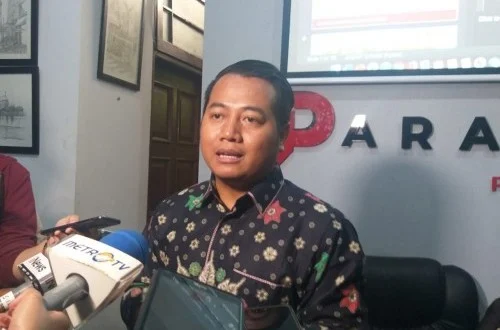
Adi Prayitno, the Executive Director of Parameter Politik Indonesia, detailed the findings during a virtual press conference broadcast from Jakarta on Wednesday, May 29, 2024. He explained that the survey utilized a direct inquiry method where respondents were asked individually about their awareness of specific political figures. According to the data, approximately 52.1 percent of respondents stated they were familiar with Taj Yasin Maimoen. This level of recognition places him at the forefront of the "popularity" metric, a crucial initial hurdle for any candidate seeking to mobilize a broad voter base in the upcoming November elections.
Following Taj Yasin in the popularity rankings is Hendrar Prihadi, the current Head of the National Public Procurement Agency (LKPP) and the former Mayor of Semarang. Prihadi, often referred to by his nickname Hendi, garnered a 40 percent recognition rate among the surveyed population. In third place is Dico Ganinduto, the current Regent of Kendal, who recorded a popularity rating of 38.1 percent. Adi Prayitno noted that these figures represent the individuals currently perceived by the public as having the greatest potential or those most frequently discussed in the context of the Central Java gubernatorial race.
Despite Taj Yasin’s lead, Adi Prayitno offered a cautious interpretation of the data, noting that while these figures are popular, none have yet reached a level of dominance that could be described as "mentereng" or exceptionally commanding. In the context of Indonesian regional politics, a popularity rating hovering around 50 percent for a former provincial leader suggests that while the base of recognition is solid, there is still significant room for challengers to close the gap or for the frontrunner to face stiff competition once the formal campaigning period begins and political machines are fully activated.
The Methodology and Context of the PPI Survey
The survey conducted by Parameter Politik Indonesia serves as a critical barometer for the political climate in Central Java, a province often referred to as the "Kandang Banteng" or the stronghold of the Indonesian Democratic Party of Struggle (PDI-P). The data collection period of mid-May 2024 coincides with the early stages of party deliberations and the emergence of various "trial balloons"—potential candidate pairings meant to test public reaction.
The methodology employed by PPI involved a representative sample of the Central Java electorate, ensuring that various demographic and geographic segments of the province were included. By asking respondents one-by-one about their knowledge of specific names, the survey aimed to filter out casual mentions and focus on genuine public awareness. This "top-of-mind" and "aided recall" approach is standard in political science to distinguish between candidates who are merely known and those who have a deep-seated presence in the public consciousness.
Profiles of the Leading Contenders
The three figures at the top of the PPI survey represent different facets of the Central Java political establishment. Taj Yasin Maimoen, popularly known as Gus Yasin, carries a dual identity that is highly potent in the province. As the son of the late charismatic cleric Maimun Zubair, he commands significant respect within the "santri" (Islamic boarding school) community and the United Development Party (PPP) base. His tenure as Vice Governor provided him with a provincial-level platform, allowing him to build a reputation as a bridge between traditional religious values and modern governance.
Hendrar Prihadi represents the technocratic and urban-focused wing of the PDI-P. His successful tenure as the Mayor of Semarang, the provincial capital, earned him national accolades for urban development and public service innovation. His current role as the head of LKPP in Jakarta has further elevated his profile, giving him a national stage while maintaining his roots in Central Java. His 40 percent popularity rating reflects a strong urban base, though the challenge remains to expand his reach into the more rural, southern regions of the province.
Dico Ganinduto, at 38.1 percent, represents the younger generation of Indonesian politicians. As a member of the Golkar Party and the Regent of Kendal, he has utilized social media and modern communication strategies to build a brand that resonates with millennial and Gen Z voters. His inclusion in the top three suggests that the Central Java electorate is open to youthful leadership, particularly those who can demonstrate a track record of regional management.
The Political Weight of Central Java
Central Java is a pivotal battleground in Indonesian politics. With over 28 million eligible voters, it is the third-largest electoral province in the country. Historically, the province has been a kingmaker in national elections, and the governorship is seen as a prestigious post that often serves as a stepping stone to national leadership, as evidenced by the career of Ganjar Pranowo.
The 2024 gubernatorial race is particularly significant because it follows a period of intense political shifts at the national level. The transition from the 2024 Presidential Election to the Regional Elections (Pilkada) means that local contests will likely be influenced by the alliances formed during the presidential race. The "Jokowi effect"—the influence of President Joko Widodo’s high approval ratings—continues to loom large over Central Java, where his supporters remain a decisive voting bloc.
Chronology of the 2024 Regional Election Cycle
The release of the PPI survey comes at a strategic moment in the official timeline set by the General Elections Commission (KPU). The schedule for the 2024 Simultaneous Regional Elections is as follows:
- Early 2024: Political parties begin internal vetting processes and informal coalition talks.
- May 2024: The period for individual/independent candidate requirements and the emergence of initial survey data (including the PPI report).
- August 27-29, 2024: Official registration of candidate pairs (Governor and Vice Governor) with the KPU.
- September 22, 2024: Official announcement and verification of eligible candidates.
- September 25 – November 23, 2024: The formal campaign period, where candidates will engage in debates and public rallies.
- November 27, 2024: Polling day for the simultaneous regional elections across Indonesia.
As this timeline progresses, the popularity figures cited by PPI are expected to fluctuate. Candidates who are currently in the 30-40 percent range will need to intensify their grassroots engagement to match Taj Yasin’s visibility before the August registration deadline.
Implications of the "No Dominant Candidate" Finding
Adi Prayitno’s observation that no candidate is yet "mentereng" (extraordinary or dominant) suggests that the race remains wide open. In past elections, a candidate with over 50 percent popularity this close to the election might be considered a safe bet. However, in the current climate, this figure indicates a fragmented preference.
Several factors contribute to this lack of a clear frontrunner:
- The Absence of an Incumbent: Since Ganjar Pranowo has served two terms, there is no sitting governor to dominate the media cycle. This creates a "level playing field" that encourages multiple contenders.
- Party Indecision: Major parties like PDI-P and Gerindra have not yet officially issued "recommendations" (surat tugas) to a single pair. Without the full backing of a party machine, candidates are operating on individual brand recognition rather than institutional momentum.
- The Vice-Gubernatorial Factor: In Central Java, the pairing of a nationalist figure with a religious (NU-affiliated) figure has been a winning formula. The final popularity and electability will depend heavily on who these top three figures choose as their running mates.
Broader Impact and Public Reaction
While official reactions from the candidates’ camps have been measured, the survey results have sparked intense discussion among political analysts and party cadres. Sources within the PDI-P suggest that the party is closely monitoring Hendrar Prihadi’s numbers, weighing whether to field him as the gubernatorial candidate or seek a coalition that might include a figure like Taj Yasin.
Meanwhile, the Golkar Party has viewed Dico Ganinduto’s 38.1 percent as a positive sign of growth, especially given his relatively shorter time in the provincial spotlight compared to Taj Yasin. Analysts suggest that if Dico can form a strategic alliance with a figure from the nationalist or religious circles, he could become a formidable dark horse in the race.
The public reaction in Central Java remains focused on issues of economic stability, infrastructure, and agricultural support. While popularity is a vital metric for name recognition, voters in the province have historically shown a tendency to prioritize candidates who demonstrate a "merakyat" (down-to-earth) personality and a clear plan for rural development.
Conclusion: The Road to November
The Parameter Politik Indonesia survey provides a foundational snapshot of a race that is only just beginning to heat up. Taj Yasin Maimoen’s current lead reflects his deep roots in the province’s socio-religious fabric, but the rising profiles of Hendrar Prihadi and Dico Ganinduto indicate that the electorate is considering a variety of leadership styles.
As the August registration deadline approaches, the focus will shift from mere popularity to "electability"—the actual likelihood of a citizen casting a vote for a candidate. For Taj Yasin, the challenge is to convert his 52.1 percent recognition into a definitive majority. For his challengers, the task is to build a narrative that transcends their current regional or institutional bases. In the "Kandang Banteng," the 2024 gubernatorial race promises to be a sophisticated contest of legacy, technocracy, and youth, with the ultimate winner tasked with leading one of Indonesia’s most essential provinces into a new era.