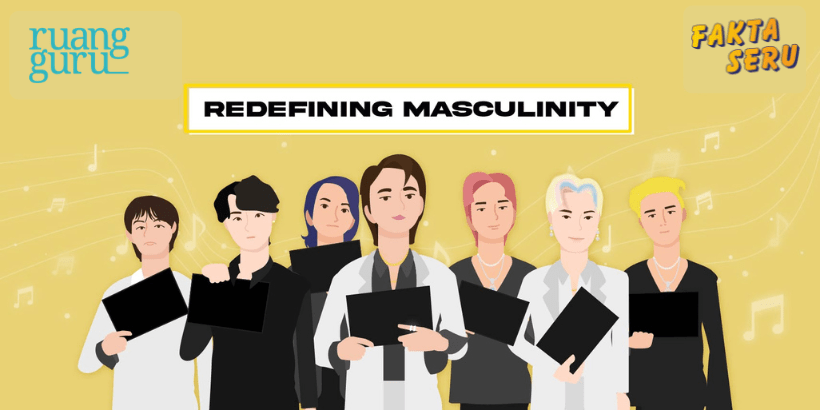
The global cultural landscape is currently witnessing a significant paradigm shift in the perception of masculinity, driven largely by the unprecedented rise of the South Korean music industry, known as K-Pop. For decades, traditional masculinity in many societies—particularly in the West and parts of Southeast Asia—has been defined by "macho" attributes: physical dominance, emotional stoicism, and a rejection of anything deemed "feminine," such as cosmetics or elaborate fashion. However, the international success of groups like BTS, NCT, and individual artists like Eric Nam is challenging these rigid boundaries. By integrating makeup, fluid fashion, and emotional vulnerability into their public personas, male K-Pop idols are not merely performing; they are actively dismantling "toxic masculinity" and redefining what it means to be a man in the 21st century.
The Relativity of Masculinity and the Cultural Friction of the Hallyu Wave
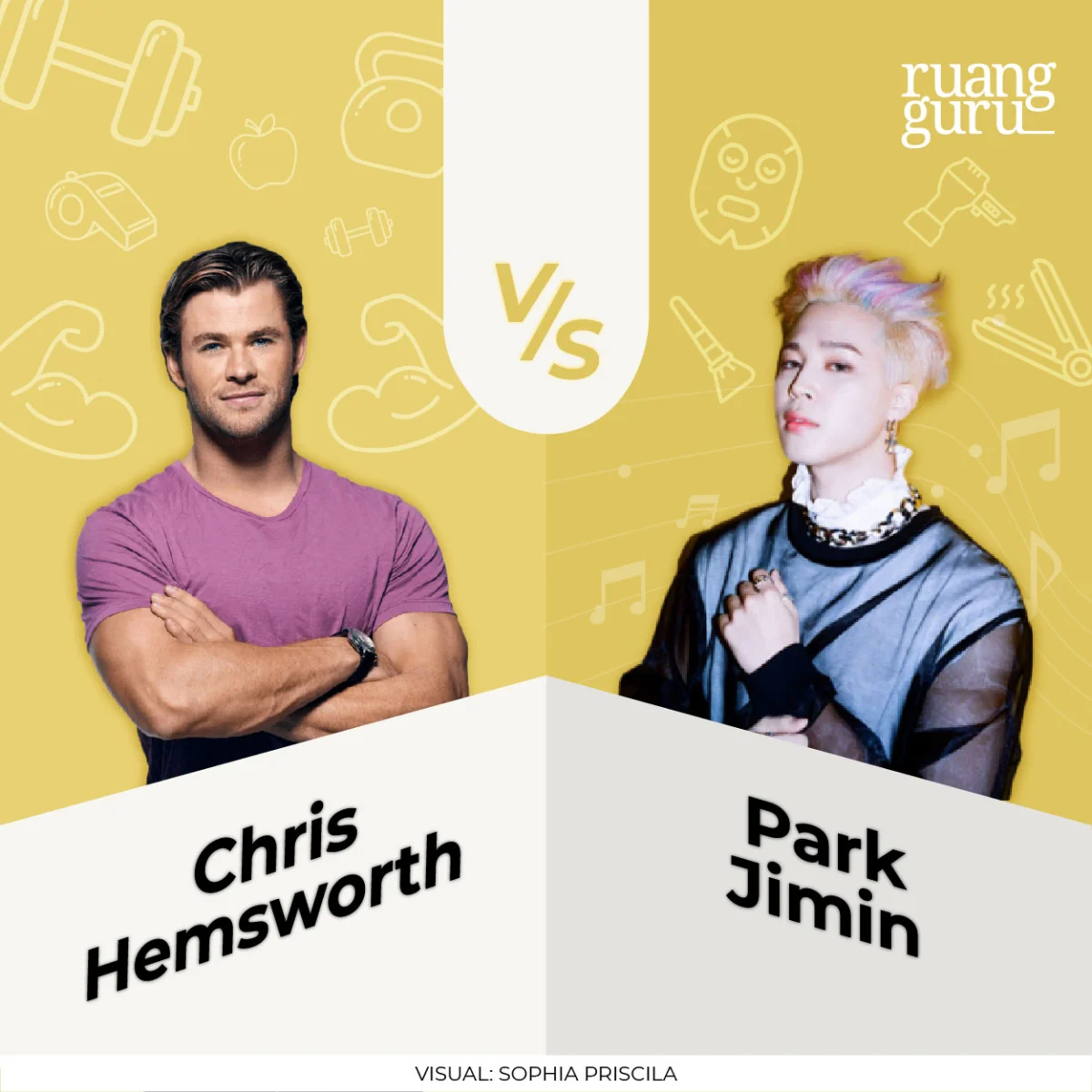
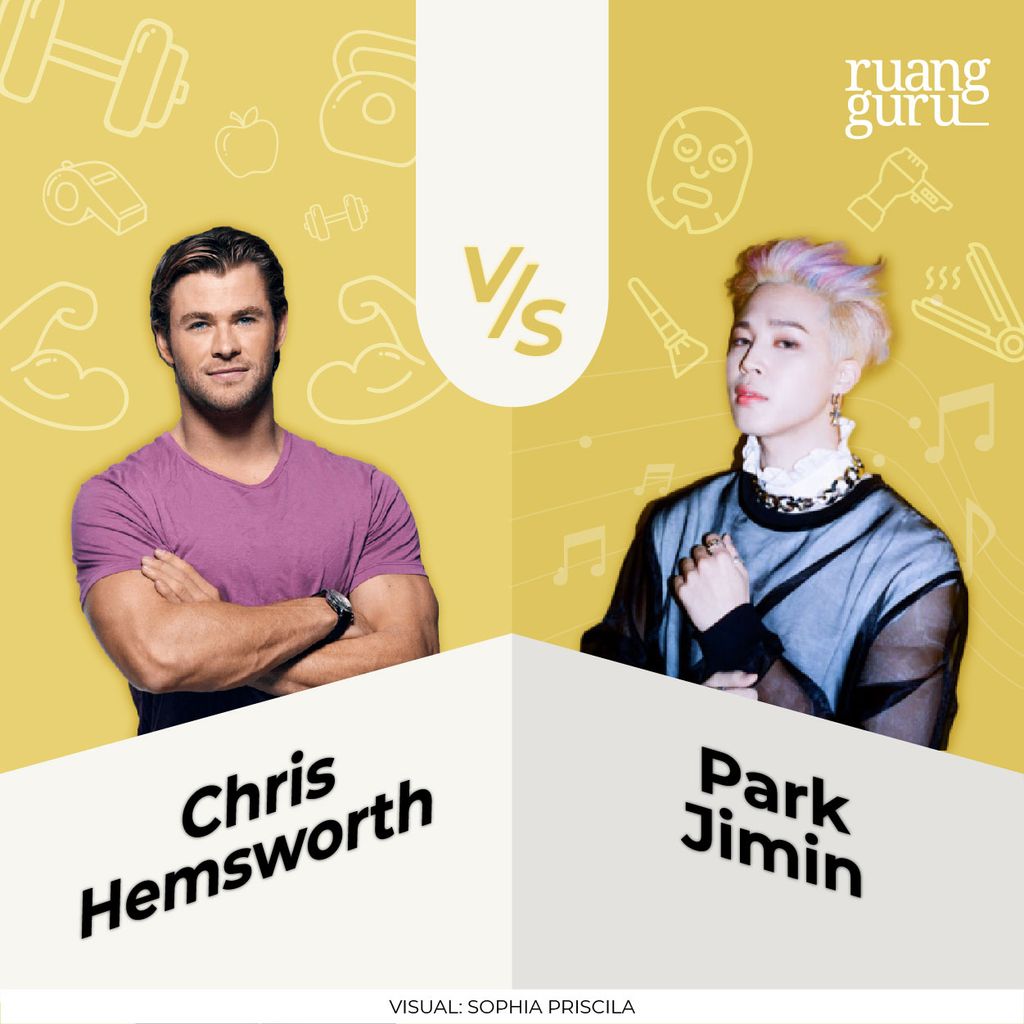
To understand the friction between traditionalists and K-Pop enthusiasts, one must first recognize that masculinity is not a static biological absolute, but a relative construct shaped by social and cultural contexts. Oxford Dictionaries defines masculinity as the qualities or attributes regarded as characteristic of men. However, these attributes vary wildly across time and geography. In many Western-influenced societies, the archetype of the "manly man" is often personified by figures like Chris Hemsworth’s portrayal of Thor—characterized by a deep voice, muscular physique, and aggressive heroism.
In contrast, South Korean culture has long embraced the concept of "Kkotminam" or "flower boys"—men who possess a combination of masculine strength and delicate, often "pretty" features. This aesthetic is not a sign of weakness but is rooted in a historical appreciation for scholarship, elegance, and grooming. When K-Pop idols enter the global stage, they often face "prejudice" from those accustomed to more rigid gender roles. This cultural clash is frequently observed in domestic settings, where younger generations—who see idols as symbols of hard work and emotional intelligence—clash with older or more traditional peers who dismiss the aesthetic as "unmanly."
Aesthetic Fluidity: Makeup and Fashion as Professional Dedication
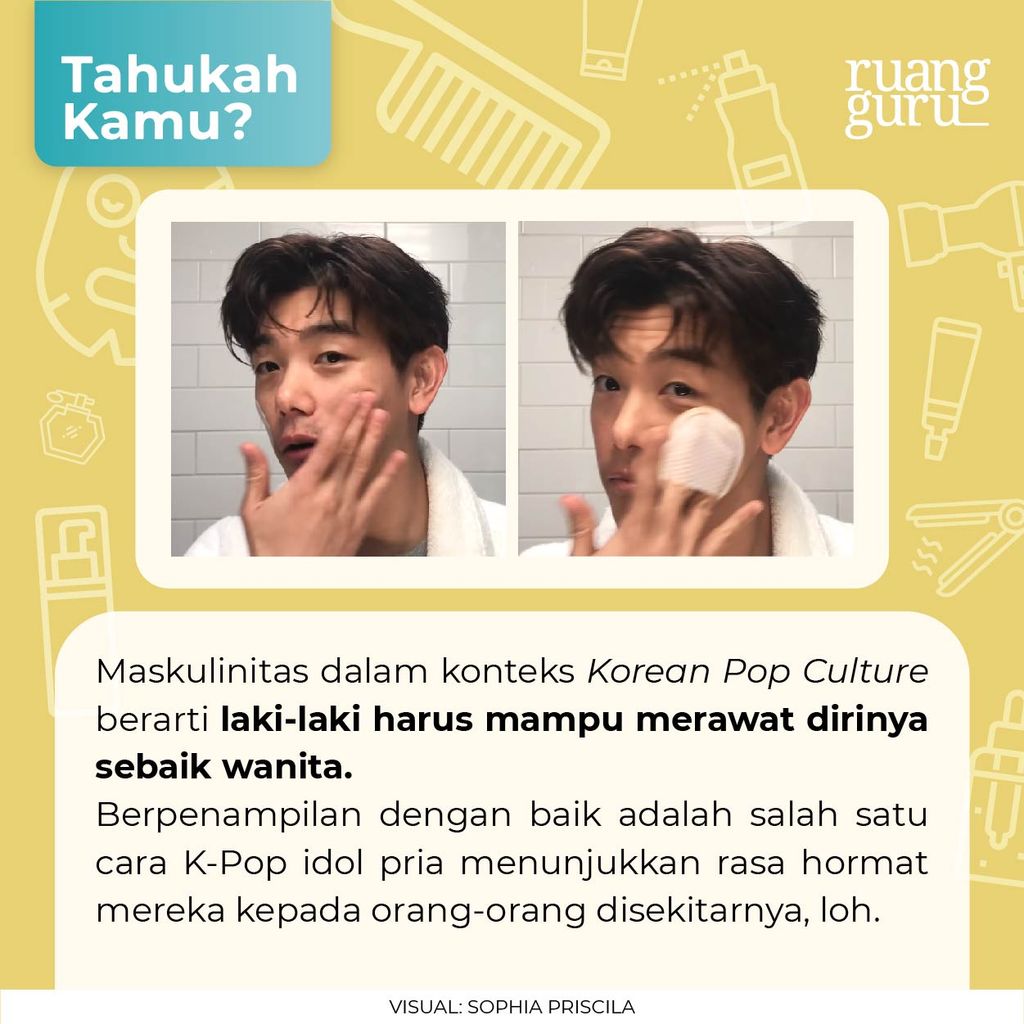
One of the primary points of contention for critics of K-Pop is the use of makeup and high-fashion "gender-neutral" clothing by male performers. Within the Korean music industry, cosmetics are viewed as an essential tool of the "performing arts" rather than a statement on gender identity or sexual orientation. The application of makeup is meticulously designed to enhance the "concept" of a specific musical release.
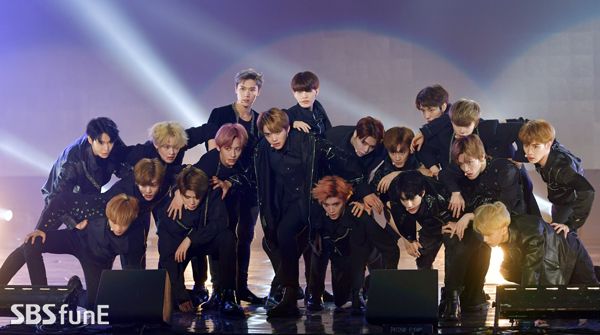
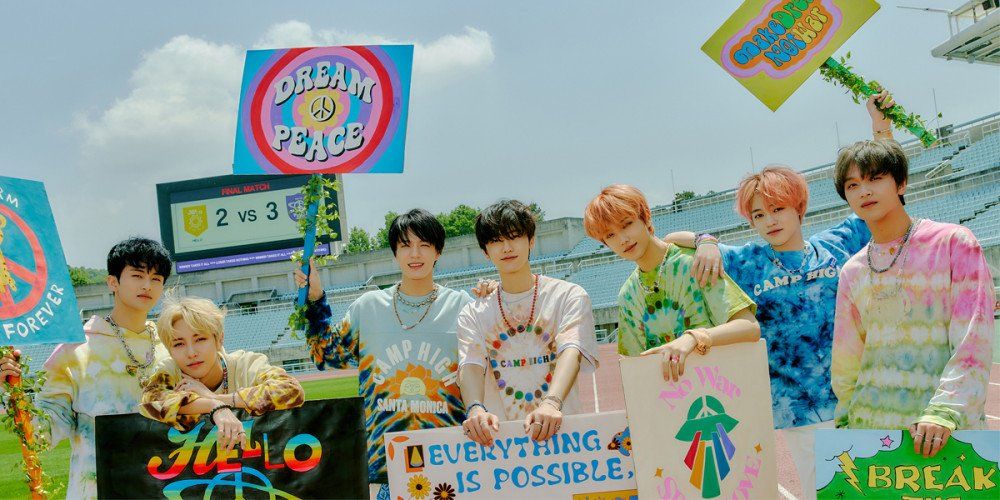
For instance, the group NCT (Neo Culture Technology) demonstrates this versatility through their various sub-units. In the 2018 release "Black on Black," the members utilized darker, sharper visual styles to convey power and charisma. Conversely, NCT Dream’s "Hello Future" utilized a "dreamy," colorful, and soft aesthetic to match the song’s hopeful message. This aesthetic fluidity is a testament to the idols’ high level of professional dedication. They view their bodies and faces as canvases used to communicate the emotional core of their music to the audience.
Data from the global beauty industry supports this shift. According to a report by GlobalData, the male grooming market was valued at approximately $55 billion in 2021 and is expected to grow significantly, driven in part by the "K-beauty" influence. This suggests that the "flower boy" aesthetic is not just a niche trend but a burgeoning global standard that encourages men to take pride in their appearance without fear of losing their masculine status.
The Standard of Conduct: Respect and the "Inseong" Requirement
Beyond aesthetics, male K-Pop idols are redefining masculinity through their social conduct, specifically the emphasis on "inseong" (character or personality). In the K-Pop industry, a male idol’s "macho" status is not determined by aggression, but by his level of respect for others. This is most visibly practiced through the "90-degree bow," a traditional Korean gesture of deep respect and humility.
Top-tier idols, such as Jungkook of BTS, are frequently documented by international media for their consistent displays of humility. Whether arriving at an airport or accepting an award on a global stage, the act of bowing is a non-verbal communication of gratitude toward fans and staff. In this cultural framework, being a "real man" is synonymous with being a "gentleman." The industry promotes the idea that true strength lies in politeness and the ability to honor social hierarchies and the feelings of others. This stands in stark contrast to the "toxic masculinity" trope that equates manhood with arrogance or a lack of social grace.
Professionalism and Work Ethic: The Hard-Earned Success
The narrative that K-Pop idols are "fragile" is further debunked by the rigorous "trainee system" that defines the industry. The journey to becoming a K-Pop idol involves years of intense physical training, language studies, and vocal practice, often with no guarantee of success. This "good work ethic" is a core attribute of the modern masculine ideal in Korea.
A notable example is Kim Taehyung, known as "V" of BTS. Coming from a non-privileged background in rural Daegu, V’s trajectory to becoming a member of the world’s largest boy band was fueled by sheer grit and consistency. The pressures of the industry—performing under intense scrutiny while maintaining a flawless public image—require a level of mental and physical resilience that aligns with traditional masculine virtues of perseverance. BTS’s contribution to the South Korean economy is a factual testament to this labor; according to the Hyundai Research Institute, the group contributes an estimated $3.6 billion to the nation’s GDP annually, a feat achieved through a level of industrial discipline that few "macho" icons can match.
Breaking the Silence: Mental Health as a Masculine Dialogue
Perhaps the most significant way male K-Pop idols combat toxic masculinity is by challenging the stigma surrounding men’s mental health. Traditional masculine norms often dictate that men should suppress their emotions, viewing vulnerability as a sign of instability. K-Pop idols are reversing this trend by using their art to discuss anxiety, depression, and the pressures of fame.
In 2020, Jin of BTS released the solo track "Abyss," in which he candidly addressed his feelings of burnout and "imposter syndrome" following the group’s massive success on the Billboard charts. By admitting that he questioned his own worth despite his global status, Jin provided a platform for millions of male fans to acknowledge their own emotional struggles. Similarly, the BTS "Love Yourself" campaign, in partnership with UNICEF, encouraged young people—regardless of gender—to speak their truth.
This transparency creates a new "comfort" for fans, fostering a connection that goes beyond music. It suggests that a man is at his strongest when he is self-aware enough to admit his limitations and seek help. This shift is crucial in a global context where male suicide rates remain disproportionately high, often attributed to the inability of men to express emotional distress due to societal expectations.
Chronology of Influence: From Local Niche to Global Standard
The evolution of this new masculinity has followed a clear chronological path:
- Late 1990s – Early 2000s: The emergence of "Flower Boy" culture in South Korea through dramas and early idols like H.O.T. and Shinhwa.
- 2010s: The global expansion of K-Pop via social media, introducing these alternative masculine ideals to Western audiences.
- 2017 – Present: The "BTS Era," where male idols began appearing on major U.S. platforms (The Grammys, UN General Assembly), forcing a mainstream global conversation about gender presentation.
- 2020s: The normalization of male makeup and emotional vulnerability in the global Gen Z demographic, heavily influenced by K-Pop’s "soft masculinity."
Analysis of Implications and Future Impact
The implications of this cultural shift are profound. By redefining masculinity, K-Pop idols are creating a more inclusive environment for men who do not fit the "alpha male" stereotype. This allows for greater diversity in self-expression, career paths, and emotional health.
However, the transition is not without resistance. The "Kai and Jennie" scenario described in many cultural critiques represents a broader societal tension. As younger generations embrace a more fluid definition of what it means to be a man, they often face pushback from those who fear the "weakening" of traditional structures. Yet, the data suggests that this new masculinity is far from weak. It is a masculinity rooted in high-level professionalism, extreme physical discipline, deep social respect, and emotional intelligence.
In conclusion, male K-Pop idols are not "lesser" men because they wear makeup or express their feelings; rather, they are pioneers of a more evolved form of masculinity. They prove that a man can be both "macho" in his work ethic and "soft" in his aesthetic. As the Hallyu wave continues to sweep across the globe, it carries with it a message of tolerance and self-acceptance, encouraging men everywhere to shed the armor of toxic masculinity and embrace a more authentic, multifaceted identity. The success of these artists serves as a reminder that masculinity is not a cage, but a spectrum of possibilities.