The visit of Queen Máxima of the Netherlands to Indonesia, spanning from November 24 to 27, 2025, represents a significant milestone in the ongoing collaboration between the United Nations and the Indonesian government. While she is widely recognized as the Dutch monarch, her four-day mission was conducted strictly in her professional capacity as the United Nations Secretary-General’s Special Advocate (UNSGSA) for Financial Health. This role, which she has held since 2009 (with a recent mandate expansion toward financial health), underscores her commitment to ensuring that individuals, particularly those in underserved communities, have access to financial tools that enhance their economic resilience and overall well-being.
Throughout her stay, Queen Máxima engaged in a rigorous schedule that took her from the industrial hubs of Central Java to the bustling administrative centers of Jakarta and the burgeoning residential developments of West Java. Her visit was not merely ceremonial but served as a technical and strategic assessment of Indonesia’s progress in financial inclusion. By meeting with grassroots entrepreneurs, high-level policymakers, and international development partners, the Special Advocate sought to understand how digital innovation and inclusive policies are transforming the lives of ordinary Indonesians.
A Legacy of Engagement: Contextualizing the Fifth Visit
This 2025 mission marks Queen Máxima’s fifth visit to the Indonesian archipelago, reflecting the country’s status as a global leader in financial inclusion strategies. Her previous visits as the UNSGSA occurred in 2012, 2016, and 2018, during which she witnessed the rapid evolution of Indonesia’s digital financial ecosystem. In 2020, she also visited the country in her capacity as Queen of the Netherlands, accompanying King Willem-Alexander on a state visit.
The timing of this visit is particularly strategic. Indonesia has made remarkable strides in expanding financial access, with the national financial inclusion rate rising significantly over the last decade. However, the focus of the UNSGSA has recently shifted from "financial inclusion"—simply having access to a bank account—to "financial health," which measures whether individuals can effectively manage their day-to-day finances, recover from economic shocks, and invest in their future. Indonesia’s diverse economy and large unbanked population make it an ideal laboratory for these evolving global financial standards.
Chronology of the Mission: From Grassroots to Governance
The Special Advocate’s itinerary was meticulously designed to capture the full spectrum of the Indonesian financial landscape, beginning with the manufacturing sector and concluding with the highest levels of state diplomacy.
Tuesday, November 25: Empowerment in Central Java
The mission commenced in Sragen Regency, Central Java, where Queen Máxima visited a garment factory. This visit was pivotal, as the textile and garment industry is a major employer of women in Indonesia. The Special Advocate observed how digital payroll systems and workplace-based financial literacy programs can empower female workers, allowing them to move away from cash-based informal economies into the formal financial sector.
Later that day, the Queen traveled to the historic Kampung Batik Laweyan in Solo. Here, the focus shifted to small and medium-sized enterprises (SMEs). In discussions with local artisans and business owners, she explored the challenges of maintaining financial health amidst fluctuating market demands. The day concluded at Pura Mangkunegaran, where she participated in an event hosted by Women’s World Banking. This session provided a platform for young people, university students, and entrepreneurs to share their firsthand experiences with digital banking products, highlighting both the successes of fintech and the remaining barriers to full financial security.
Wednesday, November 26: Institutional Synergy and Sustainable Housing
The third day of the mission focused on the institutional frameworks that support financial stability. In Jakarta, Queen Máxima met with United Nations country representatives and development organizations to discuss the integration of financial health into broader sustainable development goals (SDGs). She also held talks with the International Finance Corporation (IFC), a member of the World Bank Group, focusing on how private sector investment can stimulate credit growth for SMEs and improve the financial resilience of low-income households.
A highlight of the day was her visit to the Gran Harmoni Cibitung housing complex in Bekasi Regency, West Java. This project is a pioneer in providing low-emission, affordable housing for middle-to-low-income families. During her visit, Queen Máxima witnessed an innovative "waste-to-mortgage" program facilitated by Bank Tabungan Negara (BTN). Under this scheme, residents can contribute to their mortgage payments or housing costs by participating in community waste management programs. This intersection of environmental sustainability and financial inclusion drew high praise from the Special Advocate, who noted that such creative solutions are essential for building long-term financial health.
Thursday, November 27: Policy Integration and Presidential Dialogue
The final day of the visit was dedicated to high-level policy discussions and statecraft. Queen Máxima participated in a joint financial literacy forum featuring the Financial Services Authority (OJK), Bank Indonesia (BI), and the Ministry of Finance. These three institutions form the bedrock of Indonesia’s financial regulatory environment. The discussions centered on the National Strategy for Financial Inclusion (SNKI) and how to protect consumers in an increasingly digitalized market.
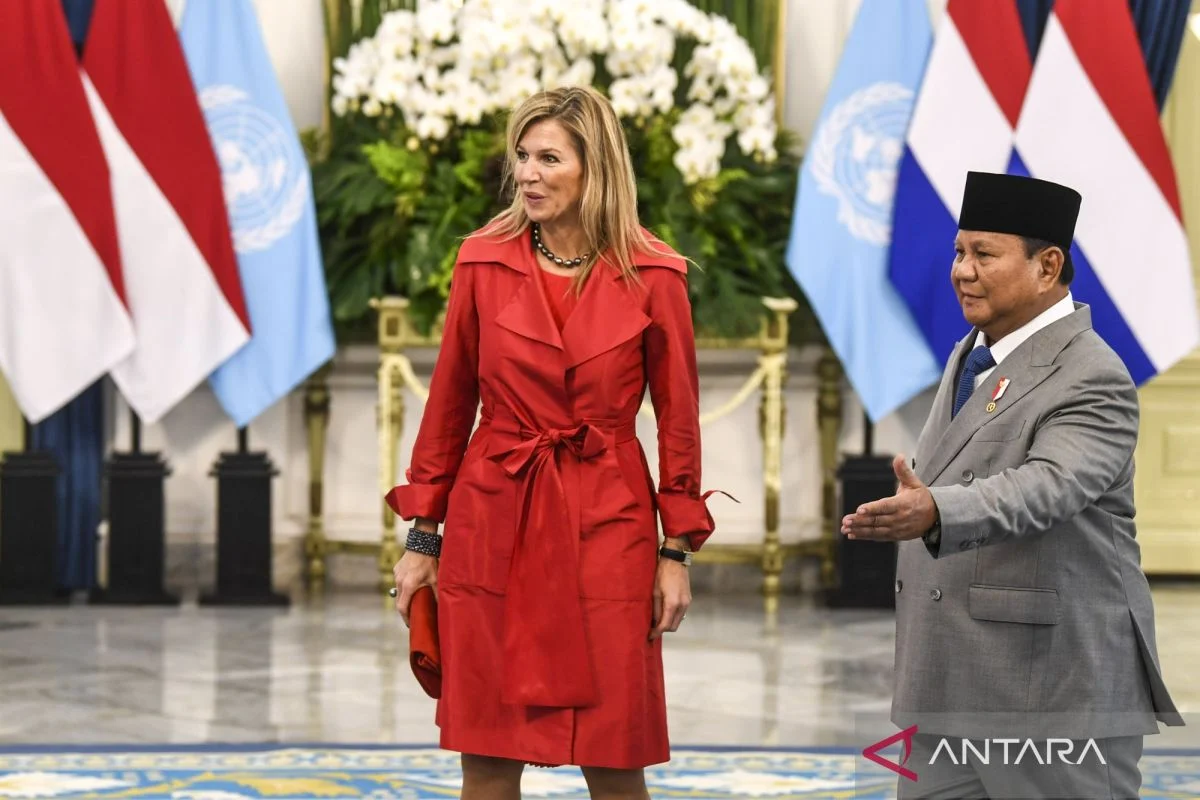
The mission culminated in a meeting with President Prabowo Subianto at the Istana Merdeka in Jakarta. During this private audience and subsequent working lunch, Queen Máxima presented her findings from the field. She commended the Indonesian government for its proactive stance on digital public infrastructure and discussed the importance of ensuring that the benefits of economic growth reach the most vulnerable segments of society.
Supporting Data: Indonesia’s Financial Landscape
To understand the significance of Queen Máxima’s visit, one must look at the data driving Indonesia’s economic policy. According to the Financial Services Authority (OJK), Indonesia’s financial inclusion index reached approximately 85% in recent years, a massive leap from the 36% recorded in 2013. However, the financial literacy index—representing the actual knowledge and skills to manage finances—has historically trailed behind, creating a "literacy gap" that the UNSGSA is keen to address.
Furthermore, the rise of the "gig economy" and digital platforms in Indonesia has created new opportunities for financial engagement. With over 200 million internet users, the country has seen an explosion in e-wallets, peer-to-peer lending, and mobile banking. Queen Máxima’s focus on "Financial Health" is particularly relevant here, as it addresses the risks of over-indebtedness and the need for robust consumer protection in the digital age.
Official Responses and Strategic Implications
The Indonesian government and its various agencies have responded positively to the Queen’s visit, viewing it as a validation of their reform efforts. Representatives from Bank Indonesia noted that the Special Advocate’s insights would be integrated into their future roadmap for the payment system and digital economy. The OJK emphasized that her visit would catalyze efforts to strengthen the protection of retail investors and small-scale borrowers.
The "waste-to-mortgage" initiative at Gran Harmoni Cibitung, in particular, has been cited by local officials as a model that could be replicated across other provinces. By linking financial obligations to environmental stewardship, the program addresses two of Indonesia’s most pressing challenges: housing affordability and waste management.
Broader Impact: A Vision for the Future
The implications of Queen Máxima’s 2025 mission extend beyond the immediate diplomatic exchanges. Her visit reinforces Indonesia’s role as a regional leader in the ASEAN block regarding financial technology and inclusive policy. As the UNSGSA, her ability to bridge the gap between global policy and local implementation helps ensure that international financial standards are grounded in the realities of developing economies.
For Indonesia, the transition from "inclusion" to "health" represents a maturing of the national economy. It signals a move away from simply increasing the number of bank accounts toward a more holistic view of economic stability. The collaboration between the UN and the Indonesian government, highlighted by this visit, suggests a future where financial services are not just accessible, but are actively used to lift families out of poverty and protect them against the uncertainties of the global market.
As Queen Máxima departs Jakarta, the findings from her visit will likely inform the UN’s global strategy on financial health for 2026 and beyond. For the people of Sragen, Solo, and Bekasi, the visit served as a reminder that their local economic struggles and innovations are part of a much larger global conversation—one where the goal is a more equitable and financially resilient world for all.