Queen Máxima of the Netherlands has successfully concluded an extensive four-day working visit to Indonesia, spanning from Monday, November 24, to Thursday, November 27, 2025. Throughout this diplomatic mission, she acted not in her capacity as the Dutch monarch, but in her specialized role as the United Nations Secretary-General’s Special Advocate (UNSGSA) for Financial Health. This distinction is critical, as her agenda focused exclusively on the intersection of financial inclusion, digital technology, and the long-term economic resilience of Indonesian citizens. By the end of her visit, the Queen had engaged with a diverse spectrum of stakeholders, ranging from rural factory workers and local artisans to high-level financial regulators and the President of the Republic of Indonesia.
The visit marks Queen Máxima’s fifth trip to the archipelago. Her long-standing relationship with Indonesia began in 2012, followed by subsequent UNSGSA missions in 2016 and 2018. She also visited in 2020 alongside King Willem-Alexander for a formal state visit. Her return in 2025 underscores Indonesia’s pivotal role in the global financial landscape, particularly as the nation navigates the complexities of a post-pandemic economy and the rapid digitalization of its financial services. Born on May 17, 1971, and married to King Willem-Alexander in 2002, the Queen has dedicated over a decade to promoting the idea that access to financial services is not an end in itself, but a means to improve the overall "financial health" of individuals—meaning their ability to manage daily expenses, recover from economic shocks, and plan for future goals.
The Journey to Central Java: Empowering Women and Small Businesses
The mission officially commenced on Tuesday, November 25, in Central Java, a region known for its robust textile industry and vibrant micro, small, and medium enterprise (MSME) sector. Queen Máxima first visited a garment factory in Sragen Regency. This visit was designed to observe how large-scale employers integrate financial services into the lives of their workers, many of whom are women. The Queen observed how digital payroll systems can serve as an entry point for workers to access savings accounts, insurance, and credit, thereby moving away from a precarious cash-based existence.
Later that day, the Queen traveled to the historic Kampung Batik Laweyan in Solo. This heritage site is a hub for traditional textile production and serves as a prime example of how local culture intersects with modern commerce. In discussions with local batik artisans, the Queen focused on the concept of financial health. She emphasized that while many small business owners now have bank accounts (financial inclusion), many still lack the tools to build a safety net or invest in the modernization of their workshops (financial health).
The Solo leg of the trip concluded at Pura Mangkunegaran, where Queen Máxima attended an event hosted by Women’s World Banking. This session was particularly interactive, featuring a roundtable with students, young entrepreneurs, and female business leaders. The Queen listened to their firsthand experiences with Indonesia’s digital financial ecosystem, including the use of QRIS (Quick Response Code Indonesian Standard) and mobile banking. The discussions highlighted a recurring theme: while digital access is high, the need for enhanced financial literacy remains a significant barrier to achieving true economic security.
Innovation in West Java: The Intersection of Sustainability and Housing
On Wednesday, November 26, the focus shifted to the intersection of environmental sustainability and financial innovation. The day began in Jakarta with a high-level roundtable at the local United Nations office, where the Queen met with various development organizations to coordinate international support for Indonesia’s financial health initiatives. This was followed by a meeting with the International Finance Corporation (IFC), a member of the World Bank Group. The dialogue centered on developing lending products that not only spur economic growth but are specifically structured to protect the borrower’s financial well-being, preventing the cycle of over-indebtedness that can occur with unregulated digital lending.
A highlight of the day was the Queen’s visit to the Gran Harmoni Cibitung housing complex in Bekasi Regency, West Java. This project is a pioneer in providing low-emission, affordable housing for low-to-middle-income families. During her visit, Queen Máxima entered the home of a local resident to discuss the challenges of first-time homeownership. The Queen was particularly impressed by an innovative program launched in collaboration with Bank Tabungan Negara (BTN), which allows residents to use a "waste bank" (Bank Sampah) system to help pay their mortgage installments.
Under this model, residents collect and sort recyclable waste, which is then valued and credited toward their housing loans. This "waste-to-mortgage" initiative was praised by the Queen as a dual-purpose solution that addresses both environmental waste management and financial inclusion for those who might otherwise struggle to meet monthly payments. She witnessed dozens of prospective homeowners signing their sale and purchase agreements, marking a significant milestone in their journey toward asset accumulation and financial stability.
The afternoon concluded at the offices of Deloitte Indonesia. There, the Queen met with private sector leaders to advocate for "Financial Wellness" programs within the workplace. She argued that when employers take an active role in the financial health of their employees—through education, automated savings, or emergency loan facilities—it leads to a more productive and stable workforce.
High-Level Diplomacy and the Future of Financial Literacy
The final day of the visit, Thursday, November 27, was dedicated to institutional alignment and high-level policy discussions. Queen Máxima participated in a financial literacy forum involving three of Indonesia’s most powerful economic institutions: the Financial Services Authority (OJK), Bank Indonesia (BI), and the Ministry of Finance.
Data from the OJK suggests that while Indonesia’s financial inclusion index has risen significantly—surpassing 85% in recent years—the financial literacy index still lags behind. This gap means that many Indonesians have bank accounts but do not fully understand the risks or benefits of the products they use. The Queen’s participation in this forum aimed to bridge this gap by encouraging the government to integrate financial education into broader national development goals.
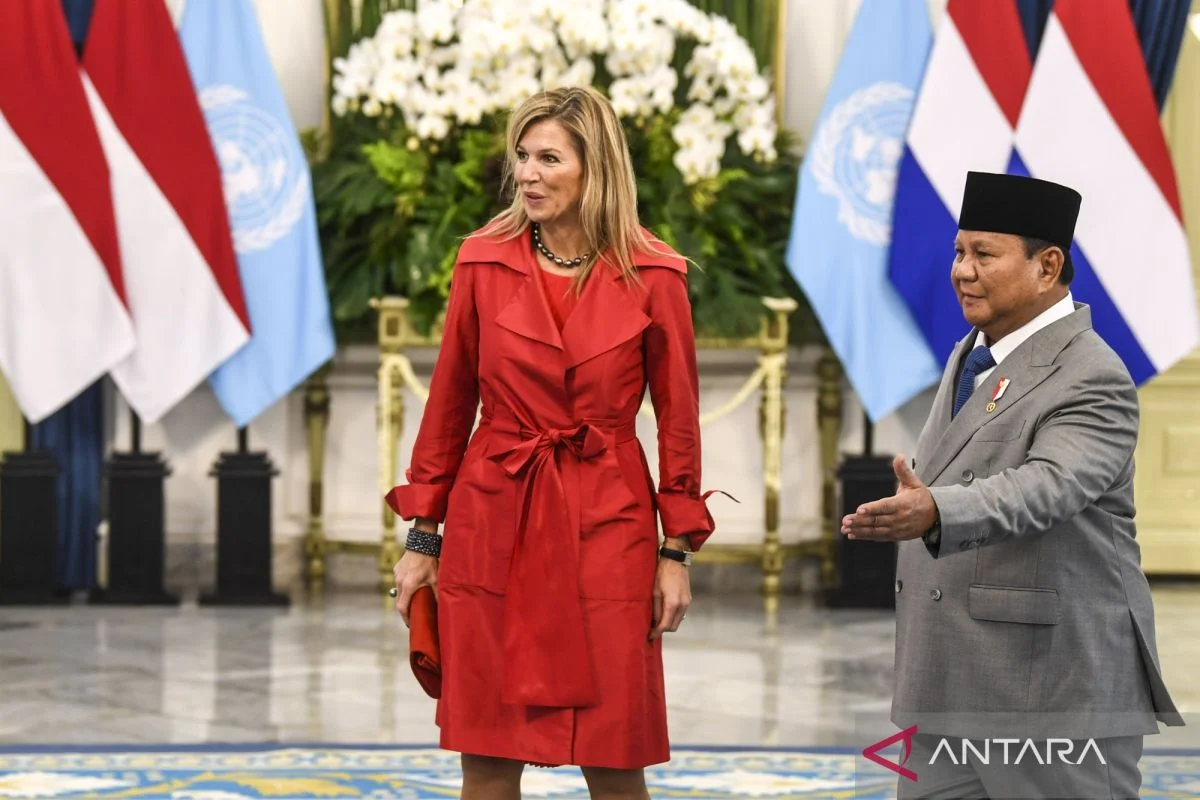
The climax of the four-day mission was a meeting with President Prabowo Subianto at the Istana Merdeka (Merdeka Palace) in Jakarta. This meeting was characterized by a high degree of mutual respect and a shared vision for Indonesia’s economic future. During a private "one-on-one" session and a subsequent working lunch, Queen Máxima presented her findings from the field. She commended the Indonesian government for its rapid adoption of digital payment systems but urged a continued focus on the most vulnerable populations, including rural farmers and women-led MSMEs.
President Prabowo, whose administration has emphasized food security and rural development, expressed his appreciation for the Queen’s insights. The discussions touched upon how the government’s social assistance programs could be further optimized through digital financial tools to ensure that aid reaches its intended recipients efficiently while simultaneously building their financial resilience.
Analysis: The Broader Impact of the UNSGSA Mission
The visit of Queen Máxima comes at a time when Indonesia is positioning itself as a leader in the digital economy within Southeast Asia. With a population of over 270 million, the stakes for financial health are immense. The Queen’s shift in focus from "inclusion" to "health" reflects a global evolution in economic thinking. Inclusion is merely the gateway; health is the sustainable outcome.
Several key takeaways from the visit are expected to influence Indonesian policy in the coming years:
- The Private Sector as a Catalyst: By meeting with Deloitte and the IFC, the Queen highlighted that the government cannot achieve financial health alone. The private sector must design products that are fair, transparent, and protective of the consumer.
- Innovative Collateral: The "waste bank" model in Bekasi serves as a blueprint for how non-traditional assets can be used to secure traditional financial products like mortgages. This could lead to a surge in "green financing" for the poor.
- Closing the Literacy Gap: The collaboration between OJK, BI, and the Ministry of Finance during the Queen’s visit signals a more unified approach to consumer education, which is essential to combatting the rise of illegal online lending (pinjol) that has plagued many Indonesian communities.
- Empowerment Through Digitalization: The Queen’s focus on the garment industry and batik artisans shows that digitalization must be inclusive of traditional sectors to prevent an "economic divide" between the tech-savvy urban population and the rural workforce.
As Queen Máxima departed from Jakarta, the resonance of her visit was clear. Her role as a UN Special Advocate provides a unique bridge between global best practices and local implementation. For Indonesia, the visit was not just a diplomatic formality but a strategic consultation aimed at ensuring that the nation’s rapid economic growth translates into tangible, long-term security for every citizen. The findings from this mission will likely be incorporated into the UNSGSA’s annual report to the UN Secretary-General, positioning Indonesia as a key case study in the global pursuit of financial health and sustainable development.