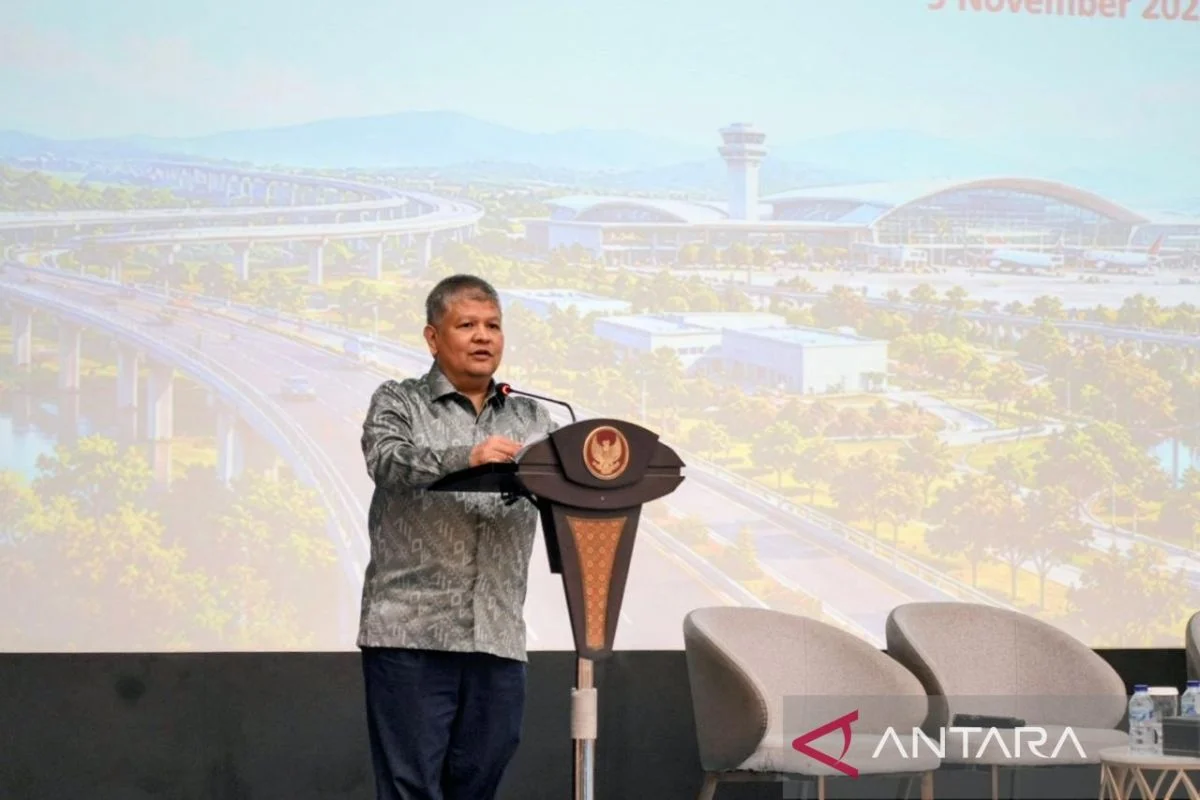
The Government of Indonesia has formally initiated a strategic engagement with Austrian enterprises to catalyze the modernization and expansion of the nation’s transportation infrastructure, with a specific focus on the rail, road, and aviation sectors. This collaborative effort, crystallized during the recent Indonesia-Austria Transportation Infrastructure Business Forum, underscores a pivotal shift in Jakarta’s approach to infrastructure financing, moving beyond state-centric budgets toward a model defined by international private sector integration, technological transfer, and high-level innovation.
The Strategic Imperative for Infrastructure Development
Indonesia, as the largest economy in Southeast Asia, faces the dual challenge of geographical fragmentation and a burgeoning middle class, necessitating a robust, integrated transportation network. For decades, the archipelago’s infrastructure development was primarily financed through the State Budget (APBN). However, as the government accelerates its vision of a modernized, globally competitive nation, the limitations of state funding have become increasingly apparent.
Dida Gardera, Acting Deputy for Industry, Employment, and Tourism Coordination at the Coordinating Ministry for Economic Affairs, highlighted that the government’s current policy framework is intentionally designed to bridge the funding gap through strategic international partnerships. "National infrastructure development cannot rely solely on government financing. The participation of the private sector, the support of financial institutions, and strategic partnerships are essential elements to meet Indonesia’s infrastructure investment requirements," Gardera stated.
The focus on Austria is not coincidental. Austrian firms possess world-class expertise in mountainous terrain engineering, sustainable urban transit solutions, and advanced rail signaling technology—sectors that align perfectly with Indonesia’s current developmental trajectory, particularly in the context of the New Capital City (IKN) project and the revitalization of aging rail corridors in Java and Sumatra.
Chronology of Bilateral Economic Cooperation
The relationship between Indonesia and Austria has seen a steady progression toward structured economic cooperation over the last decade. Historically, diplomatic relations have been characterized by steady trade in niche industrial goods, but recent years have seen a transition toward large-scale capital projects.
- 2021: The two nations signed a series of memorandums of understanding (MoUs) focusing on environmental sustainability and green technology, laying the groundwork for subsequent investment discussions.
- 2023: Preliminary dialogues were established between the Indonesian Ministry of Transportation and Austrian trade delegates to discuss potential signaling upgrades for urban mass transit systems.
- 2025-2026 (Current Context): The institutionalization of the Transportation Infrastructure Business Forum signifies a move from exploratory talks to actionable project-based collaboration. The forum serves as a direct bridge between Austrian technology providers and Indonesian project owners, including state-owned enterprises (SOEs) and private infrastructure conglomerates.
The Role of KPPIP in Project Acceleration
A central component of this initiative is the empowerment of the Committee for Acceleration of Priority Infrastructure Delivery (KPPIP). Within the Indonesian bureaucratic architecture, KPPIP serves as the primary engine for navigating the complexities of the National Strategic Projects (PSN).
As articulated during the forum, KPPIP’s function is multifaceted. It does not merely coordinate between ministries; it acts as a risk-mitigation body. By facilitating the resolution of land acquisition disputes, harmonizing conflicting regulations, and ensuring that project timelines remain on track, KPPIP provides the regulatory certainty that international investors often cite as a prerequisite for entering the Indonesian market. For Austrian firms, the presence of KPPIP provides a transparent window into how the government intends to manage potential roadblocks, thereby reducing the "country risk" profile of high-value infrastructure projects.
Austrian Perspectives and Technological Value Proposition
Alexander Rieger, the Austrian Ambassador to Indonesia, expressed strong optimism regarding the synergy between the two nations. For Austrian companies, the Indonesian market offers a scale that is increasingly rare in Europe. "We hope this business forum provides a comprehensive overview for Austrian companies regarding the rail, road, and aviation sectors in Indonesia. It is about identifying concrete partnership opportunities and potential technology transfers," Rieger noted.
Austrian industry expertise is particularly relevant in several key areas:
- Rail Modernization: Austria is a global leader in high-speed rail technology and efficient, automated signaling systems. With Indonesia’s ongoing push to modernize the Kereta Api Indonesia (KAI) network, the integration of European Rail Traffic Management Systems (ERTMS) could significantly enhance safety and throughput.
- Aviation and Logistics: As Indonesia aims to become a regional aviation hub, Austrian expertise in airport infrastructure, energy-efficient terminal management, and logistics-integrated transport hubs is highly sought after.
- Sustainable Engineering: Given Indonesia’s commitment to achieving net-zero emissions, Austrian firms specializing in green construction materials and sustainable road maintenance technology provide a competitive edge in upcoming public-private partnership (PPP) tenders.
Supporting Data and Macroeconomic Context
To understand the scale of the opportunity, one must look at the trajectory of Indonesia’s infrastructure spending. Despite global economic headwinds, the Indonesian government has allocated significant portions of its annual budget to infrastructure. According to Ministry of Finance data, infrastructure spending remains a cornerstone of the national growth strategy, aimed at lowering the Logistical Performance Index (LPI) cost.
High logistics costs, which currently hover around 14-15% of GDP, remain a structural barrier to competitiveness. By integrating Austrian technological solutions, the government expects to optimize supply chain efficiency. Furthermore, the expansion of the PSN portfolio—which currently includes over 200 projects—requires an estimated investment of trillions of rupiah, a significant portion of which is earmarked for foreign direct investment (FDI).
Implications for the Future of Indonesian Infrastructure
The move to invite Austrian firms into the fold is indicative of a broader "diversification of partners" strategy. While Indonesia has historically relied on domestic financing and partnerships with major Asian neighbors, the shift toward European expertise suggests a desire to incorporate global best practices in sustainability and long-term project lifecycle management.
Economic Implications:
- Increased Productivity: Improved transportation infrastructure is directly correlated with higher GDP growth. By reducing travel times and improving freight reliability, the involvement of international partners will likely lower the cost of doing business in Indonesia.
- Knowledge Spillovers: The requirement for "transfer of knowledge" mentioned by government officials is critical. The long-term goal is to transition from merely importing technology to fostering local manufacturing or assembly capabilities, thereby creating high-skilled jobs within the Indonesian workforce.
- Institutional Strengthening: Collaborating with international entities requires Indonesia to adhere to international standards of project transparency and financial reporting, which indirectly strengthens the governance of state-led infrastructure projects.
Challenges and Outlook
Despite the optimism, the path to implementation is not without challenges. Infrastructure projects in Indonesia are notorious for long gestation periods, regulatory shifts, and complex local permit requirements. The success of the Indonesia-Austria partnership will depend heavily on the ability of the Indonesian government to maintain policy consistency and provide a stable legal environment for long-term capital commitment.
Furthermore, the "matching" process—connecting Austrian SMEs (which form the backbone of the Austrian economy) with the large-scale Indonesian infrastructure landscape—will require significant facilitation. The Business Forum acts as a starting point, but the operational success will rely on the establishment of joint ventures and the clear definition of risk-sharing mechanisms in PPP contracts.
In conclusion, the engagement between Indonesia and Austria represents a calculated move to inject technological sophistication and international management standards into the Indonesian transportation sector. By leveraging the technical prowess of Austrian firms and the strategic guidance of bodies like KPPIP, Indonesia is positioning itself to not only address its current infrastructure deficit but also to build a more resilient and efficient logistics network capable of supporting the next phase of its economic transformation. As the partnership moves from the forum stage to project execution, the international business community will be watching closely to see if this synergy can set a new standard for infrastructure delivery in the emerging markets of Southeast Asia.