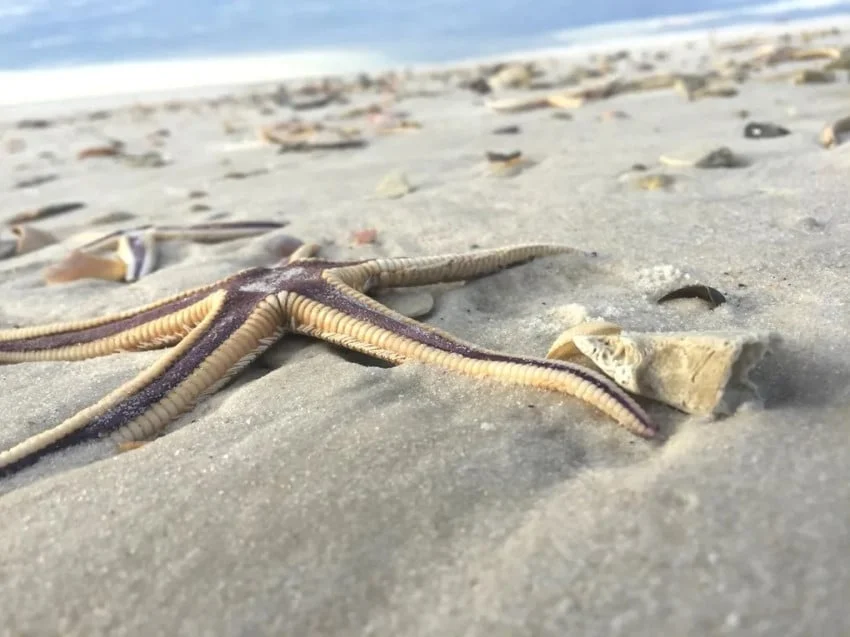
The tranquil shores of Karon Beach in Phuket, Thailand, became the setting of a distressing environmental phenomenon on Wednesday morning, as hundreds of starfish were discovered washed ashore, predominantly lifeless. The unusual mass stranding quickly captured widespread public attention, triggering a wave of concern, curiosity, and debate across various social media platforms. While natural marine strandings do occur under specific oceanographic conditions, the scale and suddenness of this event have prompted local residents, tourists, and marine conservationists to question the underlying causes, pointing toward broader ecological shifts and seasonal weather patterns in the Andaman Sea.
The Incident Unfolds at Karon Beach
The alarming discovery came to light early Wednesday morning when beachgoers and local residents noticed an unusual carpet of marine life scattered across the golden sands of Karon Beach, situated in the Mueang Phuket district. The scene was far from the usual picturesque landscape associated with one of Thailand’s most popular resort destinations. Instead of seashells, the shoreline was punctuated by numerous starfish, exhibiting their characteristic long arms and distinct alternating dark and light color patterns.
The visual evidence of the phenomenon was rapidly disseminated into the digital sphere when a Facebook user, identified as Dechaphawida Chueanak, shared a series of striking photographs depicting the marine creatures strewn haphazardly along the tideline. Accompanying the images was a statement reflecting the general bewilderment of those present: “Why are so many starfish washed ashore dead along Karon Beach? It is truly strange.”
The post immediately garnered traction, accumulating shares, comments, and expressions of alarm from netizens and environmental observers alike. Many questioned whether the stranding was an isolated anomaly or a symptom of a larger, systemic ecological issue affecting the coastal waters of Phuket. As the morning progressed, beach visitors gathered to observe the unusual spectacle, photographing the scene and discussing potential triggers ranging from severe weather to pollution.
Chronology of the Stranding and Natural Resolution
According to local reports and eyewitness accounts, the chronology of the event followed a distinct pattern typical of coastal hydrodynamic forces, albeit with a tragic outcome for the marine specimens involved.
The timeline of the Karon Beach starfish stranding unfolded through several key phases:
- Early Morning (Approx. 6:00 AM – 8:00 AM): Local residents and early morning joggers on Karon Beach first noticed the mass accumulation of starfish scattered across the intertidal zone. Many of the specimens were already motionless, showing no signs of life, while others appeared distressed in the shallow receding pools.
- Mid-Morning (Approx. 8:30 AM – 10:30 AM): Social media posts, most notably by user Dechaphawida Chueanak, began circulating online, drawing public attention and prompting curious onlookers and local reporters to visit the site to document the occurrence.
- Late Morning (Approx. 11:00 AM – 12:00 PM): As the diurnal tide began to turn, incoming waves advanced further up the sloping sand of the beach. By midday, rising sea levels and intensified wave action naturally intervened, gradually sweeping the majority of the stranded starfish back into the receding currents and out toward the open sea.
While the natural tidal action cleared the physical evidence from the shoreline by afternoon, the ecological implications of the event remained a prominent topic of discussion among marine experts.
Contextualizing Marine Strandings in the Andaman Sea
To understand the phenomenon observed at Karon Beach, marine biologists and oceanographers often look at the complex interplay of meteorological and oceanographic factors unique to the Andaman Sea region. Phuket experiences distinct seasonal shifts, primarily divided between the dry northeast monsoon and the wet southwest monsoon. These seasonal transitions frequently bring turbulent weather, intense offshore winds, strong undercurrents, and rough sea conditions.
Starfish, scientifically classified as asteroids, are benthic organisms that typically inhabit the ocean floor, rocky substrates, coral reefs, or seagrass beds. While they possess a robust vascular system that allows them to navigate the seabed, they are vulnerable to extreme hydrodynamic disturbances. During periods of severe weather, sudden underwater storms, or unusually turbulent wave action—often referred to in oceanography as high-energy wave events—benthic creatures can be forcibly dislodged from their natural habitats.
Once swept upward into the water column, these slow-moving echinoderms lack the swimming speed or directional propulsion to resist powerful currents. Consequently, they are often carried passively toward the shoreline. When waves break violently upon shallow beaches like Karon, the organisms are deposited rapidly onto the dry sand. Exposure to direct sunlight, high ambient temperatures, and air quickly leads to desiccation and thermal shock, frequently resulting in mortality before the tide can return them to the water.
Scientific Perspectives and Potential Environmental Drivers
While sudden tidal displacement is the immediate mechanical cause of strandings, marine scientists emphasize that secondary environmental stressors often exacerbate these events. In recent years, coastal ecosystems worldwide have faced escalating pressures from climate variability, rising sea surface temperatures, and localized marine pollution.
Elevated water temperatures can induce physiological stress in various benthic species, potentially weakening their grip on substrates or causing them to migrate into unfamiliar, turbulent waters. Furthermore, heavy coastal rainfall—common during Phuket’s transitional weather phases—can cause significant runoff from land, introducing freshwater influxes, sediments, and agricultural or urban pollutants into nearshore marine environments. Such sudden shifts in salinity and water chemistry can disorient marine life, making them more susceptible to being displaced by currents.
Although specific laboratory testing or comprehensive necropsies on the Karon Beach starfish were not immediately conducted due to the rapid clearing of the beach by the tide, marine researchers generally categorize such mass strandings into two primary types: natural displacement driven by hydrodynamics, and anthropogenic-induced mortality linked to environmental degradation. In the case of the Phuket incident, preliminary visual assessments lean heavily toward a weather-driven hydrodynamic displacement, though the possibility of contributing environmental stressors remains under consideration by regional conservation groups.
Official Responses and Community Reactions
The unexpected event at Karon Beach prompted a swift dialogue among local authorities, environmental agencies, and community stakeholders in Phuket. Regional offices of the Department of Marine and Coastal Resources (DMCR) routinely monitor the Andaman coastline for ecological anomalies, marine life strandings, and environmental health indicators.
While catastrophic mass strandings of marine mammals or sea turtles typically trigger immediate government-led investigations involving veterinary teams and marine biologists, incidents involving invertebrates like starfish are often viewed through the broader lens of coastal ecosystem monitoring. Local officials reiterated the importance of public vigilance, encouraging beachgoers and tourism operators to report unusual marine occurrences promptly. By documenting the exact location, time, and scale of such events, citizens provide invaluable observational data that assists researchers in mapping ecological trends and identifying potential environmental hazards.
Community reactions on social media reflected a mixture of sorrow for the marine life and a growing awareness of environmental vulnerability. Many commentators emphasized the need for greater respect for marine habitats and urged tourists and locals alike to remain informed about the delicate balance of coastal ecosystems. Conservation advocates in the region used the incident as an educational opportunity, reminding the public that the health of Phuket’s beaches is intimately connected to the health of the surrounding marine environment.
Broader Impacts and Implications for Tourism and Conservation
Phuket’s economy and global reputation rely heavily on the pristine condition of its natural coastal assets, including world-renowned stretches of sand like Karon Beach. Events that disrupt the natural aesthetic or raise environmental red flags can have ripple effects, drawing scrutiny from both travelers and international conservation organizations.
The sighting of hundreds of dead starfish, while a natural occurrence driven by oceanic forces, serves as a stark reminder of the unpredictable and sometimes harsh realities of marine ecology. It underscores the fragility of intertidal zones and highlights the constant pressures faced by marine organisms inhabiting shallow coastal waters.
From a conservation standpoint, incidents of this nature emphasize the necessity for ongoing monitoring of sea conditions, water quality, and benthic habitats along the Andaman coast. As global climate patterns continue to shift, leading to more frequent and intense meteorological events, coastal regions like Phuket may experience fluctuations in marine behavior and ecosystem dynamics. Preparing for these changes requires robust scientific research, proactive environmental management, and close collaboration between government agencies, local communities, and the tourism sector.
Ultimately, while the tides at Karon Beach returned to their natural rhythm by Wednesday afternoon—washing away the physical traces of the stranding—the event left a lasting impression. It highlighted the deep public interest in marine conservation and reinforced the reality that the ocean’s vast expanse holds phenomena capable of surprising, concerning, and educating those who live along its shores.