The landscape of regional football broadcasting in Southeast Asia has undergone a significant transformation as MNC Group, Indonesia’s leading media conglomerate, officially announced a strategic collaboration with RANS Entertainment. This partnership aims to expand the accessibility of the ASEAN Club Championship, known commercially as the Shopee Cup, for the 2026/27 season. By leveraging the extensive distribution networks of both entities, the collaboration ensures that football enthusiasts across the Indonesian archipelago will have free access to high-quality live coverage of the prestigious regional tournament.
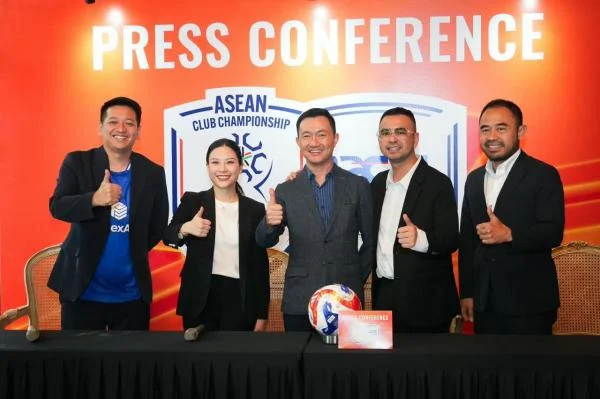
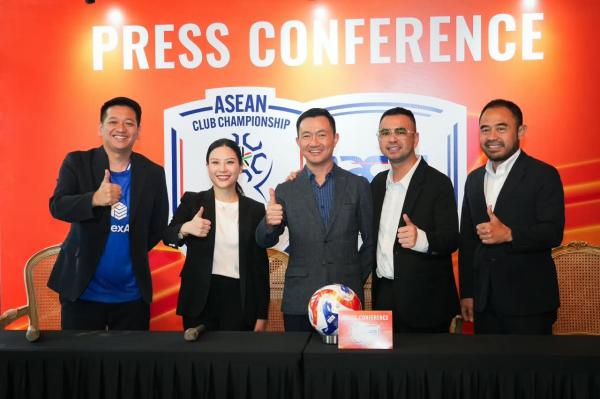
The formalization of this agreement took place during a press conference held at Le Nusa, Jakarta, on Monday, September 28, 2026. The event served as a platform to articulate the shared vision of both organizations: to catalyze the growth of domestic football by bringing international-standard club competitions directly to the screens of the general public.
A Convergence of Media and Sports Culture
The partnership represents a synergistic blend of traditional broadcast infrastructure and modern digital engagement. MNC Group, holding the official broadcast rights for the Shopee Cup 2026/27, brings years of expertise in high-definition sports production and terrestrial broadcasting. Conversely, RANS Entertainment, founded by prominent media figure Raffi Ahmad, provides a robust digital presence that resonates deeply with younger demographics and mobile-first viewers.
Attendees at the announcement included key stakeholders who are instrumental in the development of Indonesian football. Among the notable figures were Co-CEO of MNC Group, Angela Tanoesoedibjo; CEO of Borneo FC, Ponaryo Astaman; Deputy CEO of Persib Bandung, Adhitia Putra Herawan; and the founder of RANS Entertainment, Raffi Ahmad. Also in attendance was Pham Vu Duc, representing SPORTFIVE Pte. Ltd., the primary rights holder and commercial partner for the ASEAN Club Championship.
Understanding the Shopee Cup: A Regional Football Milestone
The ASEAN Club Championship is more than just a tournament; it is a critical initiative by the ASEAN Football Federation (AFF) to elevate the standards of club football in the region. Introduced to bridge the gap between Southeast Asian leagues and the more established Asian Football Confederation (AFC) competitions, the tournament serves as a benchmark for professional excellence.
The 2026/27 iteration of the competition is particularly significant as it features top-tier clubs from across the region, including Indonesia’s perennial powerhouses. For clubs like Persib Bandung and Borneo FC, the Shopee Cup offers a platform to test their tactical acumen against regional champions, potentially paving the way for greater success in continental tournaments. The inclusion of free-to-air broadcasting ensures that the competitive spirit of these matches reaches beyond the stadiums, fostering a sense of national pride and regional camaraderie.
The Strategic Importance of Local Production
A crucial element of the agreement involves MNC Group’s commitment to producing the tournament matches hosted within Indonesian borders. This is a strategic move that carries two distinct advantages. First, it ensures that the production quality adheres to international broadcasting standards, providing viewers with high-fidelity imagery, professional commentary, and expert analysis. Second, it creates a "home-court" broadcast atmosphere, where local fans can engage with their clubs through a familiar media lens.
Angela Tanoesoedibjo emphasized that the group’s mandate is not merely to transmit a signal, but to contribute to the professional ecosystem of Indonesian sports. By investing in the production of these matches, MNC Group aims to set a new standard for how international football tournaments are covered in Indonesia, thereby increasing the market value of local players and teams.
Implications for the Indonesian Football Ecosystem
The decision to provide the tournament free of charge to the public is a calculated effort to democratize sports consumption. In an era where digital streaming often requires subscription-based access, the commitment to free-to-air availability is a massive boon for the average fan.

- Broadening the Fan Base: By eliminating the paywall, the tournament is poised to reach a significantly wider demographic, including those in rural or underserved areas who rely on terrestrial television.
- Economic Stimulation: Increased viewership ratings typically lead to higher interest from sponsors and advertisers, which indirectly supports the sustainability of the clubs involved.
- Professional Development: When clubs perform on a regional stage with high viewership, it enhances the professional profile of players. This can lead to increased interest from international scouts and potential transfer opportunities, ultimately strengthening the quality of the Indonesian national team pool.
Perspectives from Industry Leaders
During the press conference, stakeholders highlighted the collaborative spirit necessary to drive the sport forward. Ponaryo Astaman, representing Borneo FC, noted that the exposure provided by the Shopee Cup is essential for the evolution of Indonesian players. Competing in a high-pressure, regional environment forces clubs to refine their tactical approaches and maintain consistent physical standards.
Adhitia Putra Herawan of Persib Bandung echoed these sentiments, stressing that the support from media partners allows clubs to focus on their core competency—performance on the pitch—while the media partners handle the complex logistics of audience engagement. The synergy between clubs and media houses is now being viewed as a blueprint for future sports commercialization in Indonesia.
Pham Vu Duc of SPORTFIVE underscored the importance of the Indonesian market, noting that the passion for football in the country is among the highest in the world. He expressed confidence that the partnership between MNC Group and RANS Entertainment would maximize the tournament’s reach and fulfill the objective of making the Shopee Cup the premier club competition in Southeast Asia.
A Look Toward the Future
As the 2026/27 season approaches, the focus now shifts to the operational readiness of the broadcasters. With the infrastructure for production already in place, the upcoming matches are expected to feature integrated digital segments, behind-the-scenes content from RANS Entertainment, and in-depth analytical segments from MNC’s sports news division.
This partnership also signals a shift in the media consumption habits of Indonesians. The convergence of entertainment and sports coverage suggests that future broadcast rights deals may increasingly rely on hybrid models—combining traditional media reach with the viral potential of digital creators and influencers.

Chronology and Contextual Milestones
- Initial Rights Acquisition: MNC Group secured the broadcast rights for the ASEAN Club Championship (Shopee Cup) following a successful bid, positioning the network as the primary home for regional football.
- Announcement of Partnership: On September 28, 2026, the formal collaboration with RANS Entertainment was announced, solidifying the strategy to distribute the content widely.
- Production Commitment: MNC Group committed to localized production for matches held in Indonesia, aiming for a professional standard that matches the prestige of the AFF-sanctioned event.
- Upcoming Season: The 2026/27 season is scheduled to kick off, with the free-to-air broadcast model serving as the core strategy for fan engagement.
Analytical Outlook: The Competitive Advantage
The integration of RANS Entertainment into the broadcasting plan is particularly savvy. Raffi Ahmad’s digital footprint allows for real-time engagement with viewers, turning a passive viewing experience into an interactive one. Fans can expect integrated social media campaigns, live polls, and unique digital content that complements the main broadcast.
Furthermore, the involvement of major clubs like Persib and Borneo adds a layer of legitimacy and excitement. By ensuring that the games are available for free, the organizers are effectively lowering the barrier to entry, which is likely to result in record-breaking viewership numbers for the region. This, in turn, provides a stronger leverage point for future negotiations with regional sponsors and commercial partners.
The commitment of MNC Group and RANS Entertainment to this project serves as a clear indicator of the maturity of the Indonesian media market. As the country continues to invest in its sporting infrastructure, the role of media companies as facilitators of development becomes increasingly critical. The 2026/27 Shopee Cup is expected to be a milestone event that not only showcases the talent of Southeast Asian clubs but also sets a new benchmark for how football is consumed in the digital age.
Ultimately, the goal remains the same: to inspire the next generation of Indonesian football talent while providing fans with the highest quality of sports entertainment, accessible to all, regardless of location or economic status. With the full backing of major media players and the active participation of the nation’s top football clubs, the future of the ASEAN Club Championship in Indonesia appears bright, promising a season of high-stakes drama and unprecedented visibility for the sport.