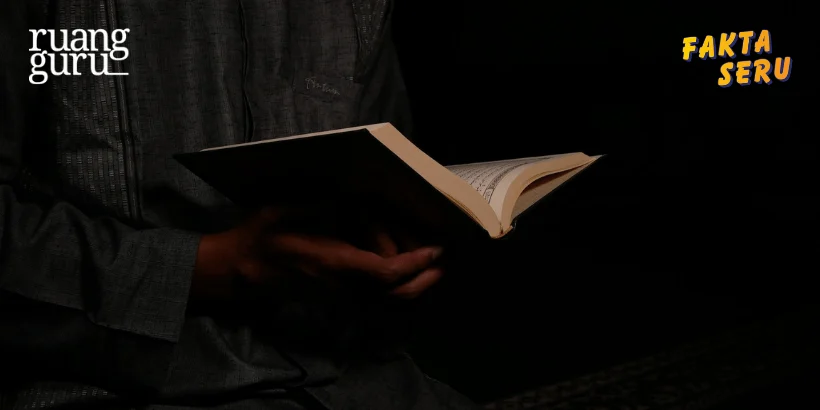
Ayat Kursi, formally recognized as the 255th verse of Surah Al-Baqarah in the Holy Quran, stands as one of the most revered passages in Islamic literature. Often referred to as the "Throne Verse," it serves as a foundational theological statement regarding the nature of the Divine. For over 1,400 years, this verse has functioned not only as a liturgical pillar for daily prayer but also as a primary source of spiritual protection and theological contemplation for millions of Muslims worldwide. By examining its linguistic roots, historical context, and the scholarly consensus surrounding its application, one gains a deeper appreciation for why this single verse maintains such a central position in Islamic practice.
The Theological Context of the Throne Verse
The importance of Ayat Kursi is deeply rooted in the Islamic concept of Tawhid, or the absolute oneness of God. The verse begins by asserting that there is no deity worthy of worship except Allah, the Ever-Living and the Sustainer of all existence. From a historical and theological perspective, this declaration was pivotal during the early stages of the revelation of the Quran in Medina. It established a clear distinction between the monotheistic framework of Islam and the polytheistic traditions prevalent in the Arabian Peninsula at the time.
The verse goes on to clarify that God is unaffected by human limitations, such as drowsiness or sleep—attributes that imply a state of perpetual awareness and absolute sovereignty over the heavens and the earth. Scholars of Tafsir (exegesis) note that the mention of the "Kursi" (the Throne or Footstool) is a symbolic representation of Allah’s vast knowledge and dominion, which encompasses the entire cosmos. By asserting that the heavens and the earth are within His care, the verse emphasizes a relationship between the Creator and the created, wherein the former is the ultimate source of protection and provision.
Historical and Scriptural Significance
The historical record suggests that the significance of Ayat Kursi was explicitly validated by the Prophet Muhammad. Various Hadith collections, including those by Al-Bukhari and Muslim, document the Prophet identifying this verse as the most magnificent in the entire Quran. One prominent narrative involves Ubay ibn Ka’b, a companion of the Prophet, who was asked to identify the most significant verse in the Book of Allah. Upon his response that it was the Throne Verse, the Prophet commended his deep understanding of divine wisdom.
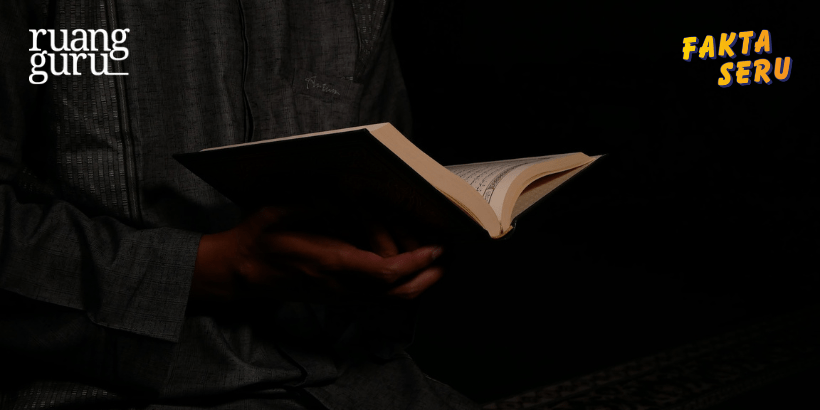
This validation transformed the verse into a mandatory component of spiritual life. In the centuries following the revelation, the recitation of Ayat Kursi became institutionalized within the daily routines of the faithful. It is recommended for recitation after every obligatory (Fard) prayer, a practice derived from the belief that this habit acts as a spiritual bridge to Paradise, with death being the only remaining barrier for the believer.
Analytical Breakdown of the Verse’s Components
To understand the practical application of Ayat Kursi, one must examine its distinct segments, each of which serves a specific theological function:
- The Sovereignty of Allah: "Allah, there is no deity except Him, the Ever-Living, the Sustainer of [all] existence." This establishes the foundation of the relationship between the human and the Divine.
- Divine Perfection: "Neither drowsiness overtakes Him nor sleep." This counters anthropomorphic depictions of God by confirming His transcendence beyond the need for rest or recuperation.
- Omniscience and Intercession: "To Him belongs whatever is in the heavens and whatever is on the earth… Who is it that can intercede with Him except by His permission?" This highlights that all power and authority reside with the Creator, and no entity can act as an intermediary without divine authorization.
- Infinite Knowledge: "He knows what is [presently] before them and what will be after them." This addresses the concept of time, asserting that God’s knowledge is not constrained by linear progression.
- The Scope of Divinity: "His Kursi extends over the heavens and the earth, and their preservation tires Him not." This reinforces the ease with which the Divine sustains the universe, contrasting the effortlessness of God with the frailty of human existence.
Modern-Day Implications and Spiritual Practice
In contemporary society, the recitation of Ayat Kursi has transcended its purely liturgical role to become a source of psychological and spiritual comfort. In an era often characterized by anxiety and instability, the act of reciting this verse is viewed as a form of mindfulness. From a sociological perspective, the widespread practice of reciting the verse before sleeping—a tradition citing the protective benefits against negative influences—demonstrates the endurance of ritual in a modern, secularized world.
The implications of this practice are twofold. Firstly, it encourages a daily rhythm of reflection, forcing the individual to pause and acknowledge a higher power, which can mitigate the stresses of daily life. Secondly, it reinforces community identity. Because the verse is memorized and recited by virtually every practicing Muslim regardless of cultural or linguistic background, it serves as a powerful unifying force that connects believers across global boundaries.
Comparative Religious Perspectives
While the focus here is on the Islamic interpretation, scholars of comparative religion often draw parallels between the "Throne Verse" and other major theological proclamations in world religions. For instance, the emphasis on the transcendence and omnipotence of the Divine shares thematic similarities with the Shema in Judaism or certain passages in the Vedas regarding the nature of the Ultimate Reality. However, Ayat Kursi remains distinct due to its specific emphasis on the accessibility of the Divine—the idea that despite His infinite grandeur, God is "near" and "sustaining," thereby inviting a personal connection between the worshiper and the Creator.

Practical Guidelines for Daily Recitation
For those seeking to incorporate the recitation of Ayat Kursi into their daily lives, religious authorities emphasize consistency over quantity. The most recommended times for recitation include:
- Post-Prayer: Reciting the verse immediately following the five daily obligatory prayers (Salah). This is based on the prophetic tradition that it serves as a shield for the believer.
- Morning and Evening: Incorporating the verse into the Adhkar (remembrances) of the morning and evening, which are believed to provide a "spiritual fortress" for the duration of the day.
- Before Sleep: Reciting the verse before retiring for the night is widely practiced as a means of seeking protection throughout the hours of darkness.
- During Times of Distress: Many believers turn to the verse during moments of fear or uncertainty, viewing it as a reminder of divine presence and control, which can help stabilize one’s mental state.
Addressing Misconceptions and Scholarly Consensus
It is essential to distinguish between the theological status of the verse and the cultural superstitions that sometimes surround it. While the verse is held in high esteem, mainstream Islamic scholarship cautions against using it as a "talisman" in a way that ignores the necessity of personal effort and faith. The consensus is that the verse serves as a reminder of God’s power; its effectiveness is tied to the sincerity and understanding of the person reciting it, rather than it acting as a magical formula.
Furthermore, the emphasis on understanding the meaning of the verse is paramount. Many educational initiatives, such as those provided by religious institutes and online learning platforms like Ruangguru, stress that memorizing the Arabic text is only the first step. The true value lies in internalizing the translation and reflecting on the majesty of the attributes of Allah mentioned within the passage.
The Role of Technology in Preserving Tradition
In the 21st century, the preservation and dissemination of this knowledge have been revolutionized by technology. Digital archives, tafsir websites, and mobile applications have made it easier for students and the general public to access high-quality, authentic translations and commentary on the verse. This accessibility has arguably led to a more informed generation of believers who can engage with the text on a deeper, more analytical level than in previous generations.
Conclusion
Ayat Kursi remains far more than just a sequence of words; it is a profound declaration of the fundamental principles of Islam. By bridging the gap between the infinite nature of the Creator and the finite existence of the human being, the verse provides a framework for both daily conduct and spiritual endurance. Whether viewed through the lens of history, theology, or contemporary practice, its status as the most significant verse in the Quran is well-founded. As Muslims continue to recite it in mosques, homes, and during moments of quiet reflection, the "Throne Verse" continues to serve as an enduring symbol of faith, protection, and the pursuit of a deeper understanding of the Divine.