The art of written communication has served as the bedrock of human civilization for millennia, facilitating the exchange of information, the codification of laws, and the preservation of historical records. While the medium has shifted from papyrus scrolls and parchment to high-speed digital encryption and instant messaging, the fundamental essence of a letter—a structured message transmitted from one party to another—remains a cornerstone of professional and personal interaction. In an era dominated by transient digital content, understanding the mechanics of formal and informal correspondence is essential for maintaining clarity, legal integrity, and interpersonal efficacy.

The Historical Trajectory of Correspondence
The evolution of the letter mirrors the progression of human connectivity. Ancient civilizations, such as the Sumerians, Egyptians, and Romans, developed sophisticated postal systems to facilitate imperial administration. The Persian Empire’s "Chapar Khaneh," a relay-based courier system, established the blueprint for modern postal networks. For centuries, the letter was the sole reliable method for long-distance communication.
The invention of the printing press and, later, the telegraph, accelerated the speed of information delivery, yet the written letter retained its prestige as the primary instrument for formal engagement. The 20th century witnessed the peak of traditional mail, followed by a dramatic pivot toward electronic mail (email) and digital messaging in the 21st century. Despite these technological shifts, the fundamental anatomy of a letter—comprising an sender, a receiver, a structured message, and a clear purpose—persists in digital formats, proving that the medium is subordinate to the message’s intent.

The Multi-Faceted Purpose of Modern Letters
Correspondence serves five primary functions that remain constant across all cultural and professional contexts:
- Information Dissemination: At its core, the letter functions as a vehicle for data. Whether it is an update from a government agency or a project report within a corporation, letters ensure that information is conveyed in a precise, verifiable manner.
- Formal Requests: The letter acts as a standard tool for soliciting action. From permit applications to formal requests for budgetary approval, the written word provides a permanent trail for accountability.
- Notification and Announcement: Letters are the preferred medium for official declarations, such as public notices, human resources announcements, or institutional updates, where clarity and authoritative tone are paramount.
- Institutional and Social Invitations: Beyond administrative use, letters serve to formalize social and professional gatherings, ensuring that expectations, timelines, and logistical details are clearly communicated to all stakeholders.
- Expression and Relationship Management: Personal correspondence, while less formal, continues to play a critical role in human sentiment, acting as a historical archive of individual connections.
The Functional Imperatives of Written Communication
The enduring relevance of the letter in modern society is attributed to four distinct functions that digital ephemeral chats often struggle to provide:
- Evidentiary Value: In legal and administrative proceedings, a signed letter serves as a binding record of intent or agreement. Unlike transient verbal communication, a letter provides an audit trail that can be referenced in litigation or conflict resolution.
- Efficiency in Complexity: When information is nuanced or complex, the structure of a letter allows the writer to organize thoughts logically. It permits the recipient to process information at their own pace, reducing the likelihood of misinterpretation common in rapid-fire messaging.
- Formalization of Procedure: Organizations rely on standardized letter formats to enforce procedural compliance. This "formalization" ensures that all stakeholders adhere to the same protocols, which is vital for organizational governance.
- Archival Documentation: Letters are inherently suited for record-keeping. They facilitate long-term institutional memory, allowing future generations or auditors to trace the history of a decision, a transaction, or an interpersonal agreement.
Anatomy of Formal Correspondence
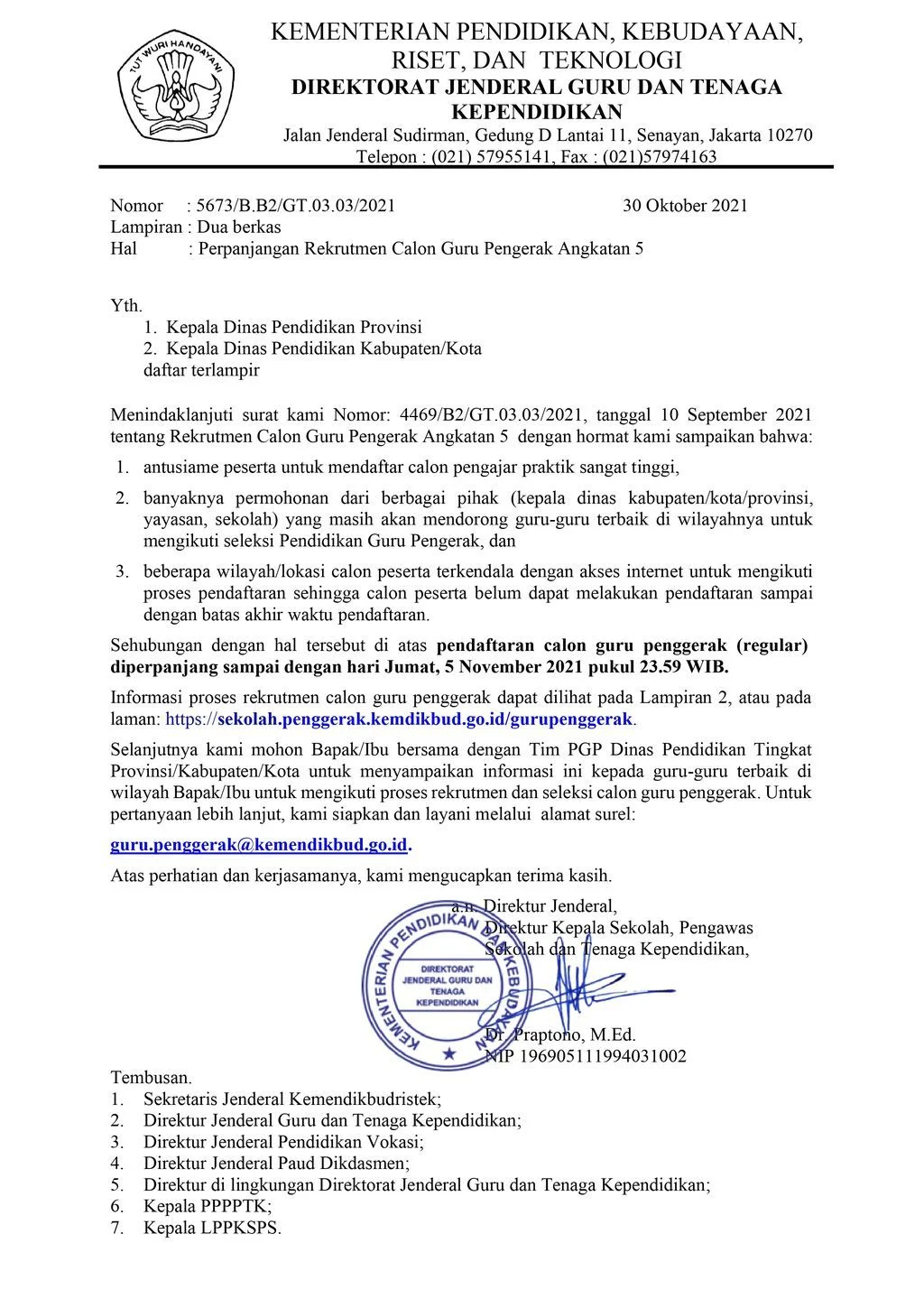
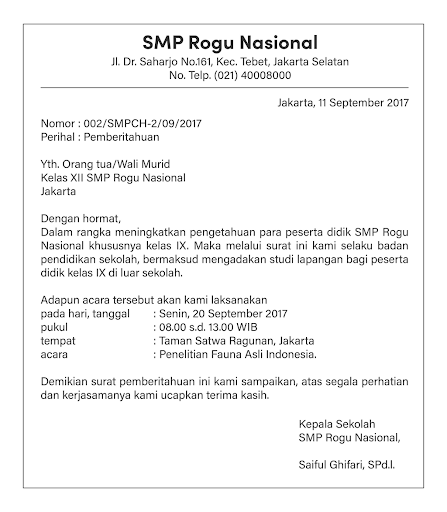
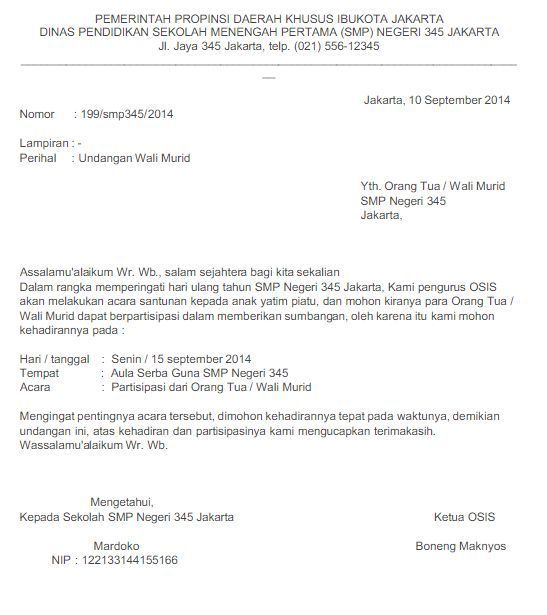
A formal letter—often referred to as a business or official letter—is defined by its rigid adherence to structure. This consistency is not merely aesthetic; it is designed to facilitate rapid processing and authentication.
The Essential Components
- Letterhead (Header): This serves as the identity of the sender, containing contact information, corporate logos, and registration details. It is the first indicator of the document’s legitimacy.
- Chronology (Date): Precision in dating is critical for managing the timeline of obligations or the validity of an offer.
- Recipient Identification (Address Block): Clear designation of the recipient ensures that the message is directed to the appropriate authority, reducing the risk of unauthorized disclosure.
- Salutation: A hallmark of professional courtesy, the salutation establishes the tone of the relationship between the parties.
- The Body (The Narrative): This is the core of the document, typically structured in three parts: the opening (stating the purpose), the middle (detailing the facts or requirements), and the closing (specifying the desired action or outcome).
- Formal Closing and Sign-off: The signature and the inclusion of official seals or stamps validate the document’s authenticity, transforming it from a draft into an actionable instrument.
Anatomy of Informal Correspondence
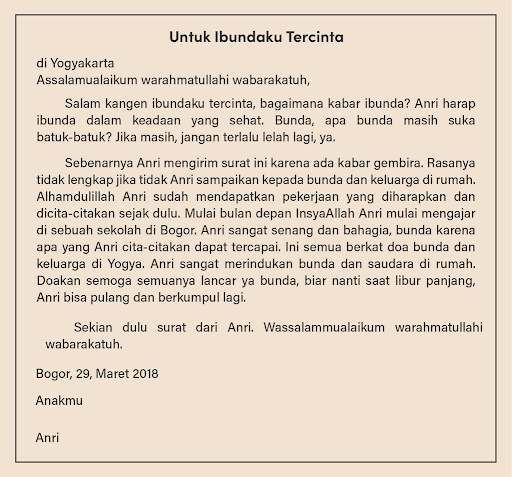
Conversely, the informal or "personal" letter prioritizes intimacy and fluidity. While the structure is less restrictive, it still relies on a sender and a recipient to maintain the continuity of the relationship. The focus shifts from administrative efficiency to the communication of emotion, narrative, or personal updates. Key differences include the absence of a letterhead, the use of colloquial salutations, and a structure that follows the narrative arc of a conversation rather than a legal brief.
Implications for Digital Literacy
The transition to digital correspondence has introduced new challenges, specifically regarding the "formality gap." Modern professionals often treat emails like text messages, leading to a degradation in clarity and professionalism. The principles of traditional letter writing—structure, brevity, and accuracy—are more relevant today than ever.
An analysis of corporate communication patterns shows that organizations that adhere to traditional, structured letter-writing standards experience fewer miscommunications and a higher rate of successful compliance than those that rely exclusively on informal, unstructured messaging. The "written record" remains a critical safeguard in the modern enterprise, protecting both the sender and the receiver from ambiguity.
Conclusion and Future Outlook
As we advance further into the age of artificial intelligence and automated communication, the role of the letter is undergoing another transformation. While bots can now draft complex correspondence, the human element—the intent, the tone, and the strategic purpose behind the message—remains irreplaceable.
Learning the mechanics of effective correspondence is not merely a linguistic exercise; it is an essential professional competency. Whether for academic, personal, or professional advancement, the ability to compose a clear, well-structured, and purposeful document is a foundational skill that bridges the gap between thought and action. As society continues to evolve, the medium may change, but the necessity of the written word to anchor our social and professional lives remains a constant, unwavering pillar of human progress.