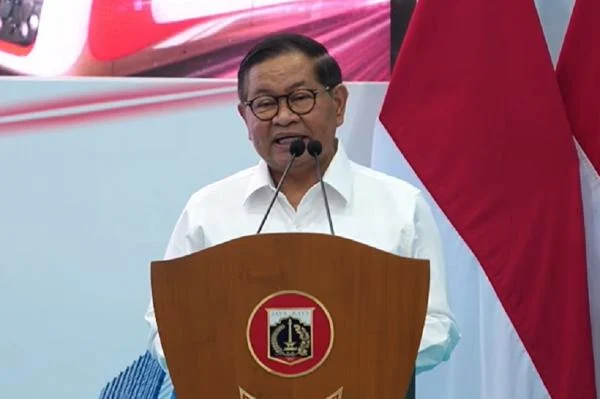
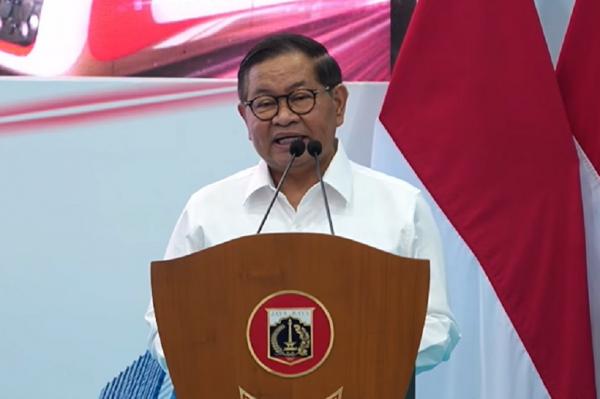
The Government of Jakarta has officially announced a structural adjustment to the fare system for public transportation services under the jurisdiction of the provincial administration. Governor Pramono Anung confirmed that starting January 1, 2027, users of TransJakarta and Transjabodetabek services will encounter a new tariff scheme. This policy shift is part of a broader, long-term initiative to reorganize the capital’s public transit ecosystem, which includes expanding the criteria for passengers eligible for subsidized or zero-fare travel. While the exact numerical values of the new fares remain under final review, the administration has signaled that these changes are inevitable to ensure the long-term sustainability of the city’s integrated transport network.
The Scope of the Tariff Adjustment
Governor Pramono Anung addressed the media at City Hall on Wednesday, September 30, 2026, clarifying the extent of the upcoming changes. He emphasized that the adjustment is not an isolated incident but a systematic recalibration involving the entire suite of services managed by PT Transportasi Jakarta. This includes the core TransJakarta bus rapid transit (BRT) lines and the Transjabodetabek routes that serve commuters traveling from Jakarta’s satellite cities.
“The adjustment primarily affects TransJakarta and Transjabodetabek services,” the Governor stated. He further clarified that while MRT Jakarta and Mikrotrans are subject to potential revisions, their specific implementation timelines and pricing models are currently being processed separately to ensure they align with the broader operational requirements of the Jakarta transit network. The administration intends to roll out these changes as a cohesive package to avoid public confusion and to provide a unified user experience across the various modes of transit.
Strategic Rationale and Public Service Expansion
The decision to adjust fares is framed within the context of expanding accessibility. According to the Jakarta Provincial Government, the increased revenue from the adjusted tariff is expected to subsidize the expansion of "free-ride" categories. Currently, various groups, including the elderly, persons with disabilities, and specific categories of civil servants and students, already enjoy subsidized travel. The 2027 plan aims to broaden these categories to include more vulnerable segments of the population, effectively balancing the fiscal responsibility of the transit authority with the city’s social welfare obligations.
Economists observing the policy note that Jakarta’s public transport system has long relied heavily on provincial subsidies. By increasing the base fare for standard users, the administration seeks to improve the cost-recovery ratio of the transit network, which has been under pressure due to rising fuel costs, maintenance requirements for an aging fleet, and the need for significant technological upgrades across the JakLingko integrated payment system.
The Integration of Mikrotrans and JakLingko
One of the most critical aspects of the announcement is the inclusion of the Mikrotrans—the city’s network of minivans that serve as essential feeder lines—into the broader tariff restructuring. Governor Pramono Anung highlighted that because TransJakarta, Transjabodetabek, Mikrotrans, and the wider JakLingko ecosystem operate as a single, integrated "family" of services, they must be managed in tandem.
"They are one cluster. We are treating them as an integrated system, and therefore, they will be regulated simultaneously," the Governor explained. The synchronization of these services is vital for the success of the city’s transit-oriented development (TOD) goals. By ensuring that the price hike is applied across the ecosystem, the government hopes to maintain the integrity of the seamless transfer experience that JakLingko provides, where commuters can switch between different modes of transport using a single card or account.
Chronology of the Decision-Making Process
The lead-up to this announcement has been marked by several months of internal deliberation within the Jakarta Provincial Government and the board of directors of PT Transportasi Jakarta.
- Early 2026: Initial discussions regarding the financial sustainability of the TransJakarta network began following reports of rising operational deficits.
- Mid-2026: The administration commissioned a study on the elasticity of transit demand to understand how fare increases might impact ridership volume.
- September 2026: Following the finalization of the provincial budget projections, the Governor’s office began drafting the executive regulations required to authorize the new tariff structure.
- September 30, 2026: The formal announcement is made at City Hall, setting a three-month grace period for public awareness before the January 1, 2027, implementation date.
Implications for Commuters and Public Transit Demand
The announcement has sparked a range of reactions from urban planners and commuter advocacy groups. While the general consensus supports the need for a financially healthy public transit system, there are concerns regarding the impact on lower-income commuters who rely on these services for daily travel.
"The key to this transition will be the transparency of the free-ride expansion," says a transit policy analyst familiar with Jakarta’s urban planning. "If the government can successfully demonstrate that the extra revenue is directly funding a larger pool of free-access for those who truly need it, the public will likely be more accepting of the fare adjustment. However, if the fare increase is perceived as merely covering operational inefficiencies, it could lead to a decline in ridership in favor of private motorcycles or informal transport services."
Furthermore, the integration of Transjabodetabek into this tariff hike suggests a broader regional push to harmonize transit costs across the Greater Jakarta area. Historically, commuters from cities like Bekasi, Depok, and Tangerang have faced varying costs depending on the service provider. A standardized fare structure could simplify commuting, provided the service quality—specifically reliability and frequency—is maintained or improved.
Operational Challenges and Future Outlook
As January 1, 2027, approaches, PT Transportasi Jakarta faces a significant logistical challenge. The company must update its digital payment gateways across thousands of terminals, buses, and kiosks to reflect the new fare categories. Additionally, the administrative burden of verifying the expanded list of individuals eligible for free travel will require a robust digital verification system.
The Jakarta administration has promised that the specific price points will be released to the public well before the implementation date. This period of anticipation is designed to allow commuters to adjust their travel budgets and for the provincial government to conduct public information campaigns.
Beyond the immediate price adjustment, the city remains committed to its long-term objective of reducing traffic congestion and lowering the carbon footprint of the capital. The expansion of the feeder routes, such as the recently modified "Rusun" (public housing) feeder lines, serves as a testament to the government’s commitment to ensuring that even the most remote or underserved residential areas remain connected to the central business districts via the trunk lines.
Conclusion
The upcoming fare adjustment for Jakarta’s public transport network is a pivotal moment in the city’s urban development strategy. By balancing the need for fiscal solvency with the objective of social inclusion, the administration of Governor Pramono Anung is attempting to reshape how millions of people move through the capital. As 2027 begins, the success of this policy will be measured not only by the balance sheet of PT Transportasi Jakarta but by the continued patronage of the millions of citizens who rely on these buses as the lifeblood of the city. The coming months will be critical, as the government works to finalize the details and communicate the changes effectively to a public that remains deeply sensitive to shifts in the cost of daily living.