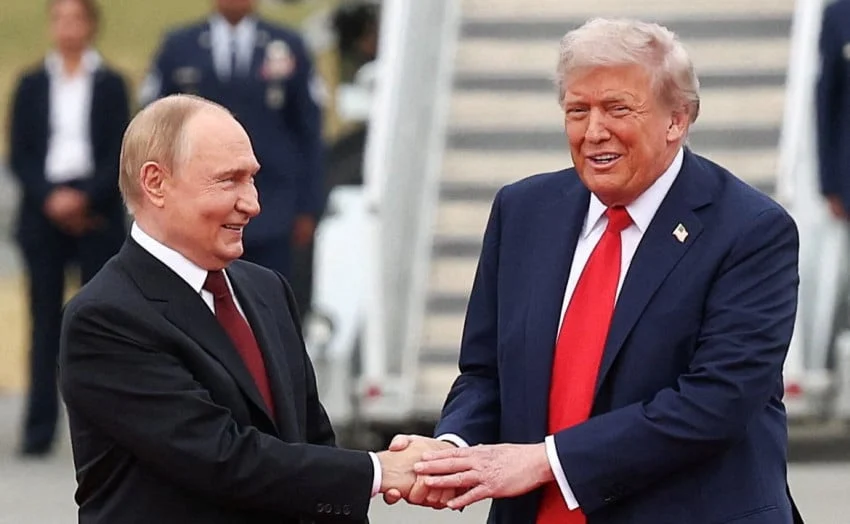
The geopolitical architecture of the West is facing its most profound stress test in decades as diplomatic signals from Washington increasingly point toward a dramatic recalibration of U.S. foreign policy under President Donald Trump. Long-standing suspicions harbored by Kyiv and its European allies regarding a special affinity between Donald Trump and Russian President Vladimir Putin have materialized into concrete policy shifts. What European capitals once feared as a worst-case scenario is now unfolding in real-time diplomacy, marked by unexpected economic accommodations, softening sanctions enforcement, and mounting pressure on Ukraine to accept terms that critics argue disproportionately favor the Kremlin.
As the White House pursues what it characterizes as a pragmatic path toward a swift cessation of hostilities, the collateral damage of this strategy is being felt acutely across Eastern Europe. From restrictive measures on vital communication infrastructure in conflict zones to backchannel negotiations led by non-traditional emissaries, the transatlantic consensus that has defined Western security architecture since the Cold War is showing unmistakable signs of strain.
The Evolution of the Transatlantic Rift
The friction between Washington and its traditional European partners is not merely stylistic; it represents a fundamental divergence in strategic objectives. While the European Union and NATO member states have maintained a unified stance centered on the complete restoration of Ukraine’s territorial integrity and the sustained isolation of Moscow, the current U.S. administration appears increasingly driven by the prospect of a grand transactional settlement.
This divergence crystallized during recent statements by senior European officials. Speaking before the European Parliament, EU High Representative for Foreign Affairs Kaja Kallas delivered an unusually blunt assessment of the diplomatic pressure being applied to Kyiv. Kallas asserted that American negotiators had spent nearly two years quietly pushing Ukrainian leadership toward capitulation, noting that the only reason Kyiv has resisted Russian terms is the unwavering financial and military lifeline provided by European capitals.
At the core of European apprehension is the perception that U.S. policy is being shaped by individuals outside traditional diplomatic channels. Reports detailing the involvement of presidential envoys with backgrounds in real estate development, rather than international security, have fueled anxieties in Brussels and Berlin. European diplomats have privately and publicly expressed dismay over proposals that reportedly include the unfreezing of sovereign Russian assets and the resumption of Russian gas deliveries to Europe—ideas that have been roundly rejected by continental governments as a capitulation to aggression.
Economic Incentives and Strategic Concessions
The tactical pivot by Washington involves a series of economic and geopolitical gestures designed to entice Moscow to the negotiating table. Recent weeks have witnessed discussions concerning potential agreements on diesel fuel supplies, efforts to dilute long-standing sanctions regimes, and instances where the enforcement of statutory sanctions has appeared to lag behind legislative mandates.
For the Kremlin, these developments represent a vital opening. The Russian economy, while maintaining a wartime footing, has exhibited mounting structural pressures due to sustained sanctions, labor shortages, and high inflation. By dangling the prospect of joint economic ventures and a trilateral summit involving Putin, Trump, and Chinese President Xi Jinping, Moscow is actively seeking to project the image of an indispensable global superpower. Such a platform is viewed in Russian state circles as a crucial step toward securing international recognition of its geopolitical ambitions.
However, critics and foreign policy analysts point out a fundamental miscalculation in the U.S. approach. According to senior European diplomatic sources, offering economic incentives to a leader whose primary objective is territorial expansion and historical legacy is unlikely to yield a lasting peace. As one official noted, attributing purely commercial motivations to the Kremlin ignores the ideological drivers behind the invasion of Ukraine, observing that Russia’s leadership is focused on redrawing borders rather than seeking incremental trade concessions.
The Impact on Ukraine’s Defense and Infrastructure
On the ground in Ukraine, the ripple effects of shifting U.S. priorities are creating immediate operational hurdles. Recent disruptions to Starlink satellite terminals—technology critical for Ukrainian military communications and civilian infrastructure alike—have heightened concerns in Kyiv. Because the satellite network is controlled by billionaire entrepreneur and close presidential ally Elon Musk, any administrative restriction or regulatory adjustment is viewed through a geopolitical lens.
Compounding these technological bottlenecks are unexplained delays in the delivery of U.S.-manufactured military hardware. While American officials attribute these pauses to logistical reviews or inventory assessments, Ukrainian military commanders interpret them as deliberate pressure tactics intended to degrade their defensive capabilities and force political concessions.
The human cost of the ongoing conflict remains devastatingly high. Controversial remarks by American envoys labeling foreign leaders in conciliatory terms have repeatedly been juxtaposed with intense military escalations. In several instances, statements minimizing the conflict have been followed within hours by massive missile barrages targeting Ukrainian urban centers, including the deployment of cluster munitions designed to maximize civilian casualties and infrastructure destruction. These stark contrasts have only deepened the sense of abandonment among the Ukrainian populace.
Domestic and International Reactions
The divergence between Washington and its allies has catalyzed intense debates within international bodies and domestic parliaments. European lawmakers are increasingly vocal about the need for strategic autonomy, arguing that Europe must prepare to shoulder a significantly larger share of financial and military assistance to prevent a collapse of Ukrainian defenses.
In Washington, the administration’s approach faces scrutiny from both sides of the political aisle. While staunch supporters of the president praise his willingness to challenge bureaucratic norms and pursue direct diplomacy to end a costly war, critics warn that undermining multilateral sanctions and alienating traditional allies will permanently damage American credibility on the global stage.
The rhetoric surrounding Ukrainian leadership has also grown notably sharper. Public disagreements between the White House and Kyiv have moved beyond private diplomatic channels into the public domain, with American officials increasingly vocal in their criticism of Ukrainian President Volodymyr Zelenskyy’s refusal to engage with proposed compromise frameworks.
Implications for Global Security
The broader implications of this diplomatic realignment extend far beyond the immediate theater in Eastern Europe. Should the United States successfully broker a settlement that forces significant territorial or political concessions from Kyiv, it could establish a dangerous precedent for international law and the inviolability of sovereign borders.
Furthermore, the potential normalization of relations between Washington and Moscow, independent of European security concerns, threatens to fracture the transatlantic alliance permanently. Such a fracture would force individual European nations to reassess their defense doctrines, potentially accelerating debates over independent European military capabilities and altering the balance of power within NATO.
As diplomatic maneuvers continue behind closed doors, the trajectory of the conflict remains suspended between two competing visions: the traditional Western commitment to collective security and international law versus a transactional, great-power approach that prioritizes immediate deal-making over long-term stability. For the millions living in the shadow of the conflict, and for the governments navigating this volatile diplomatic landscape, the stakes could not be higher.