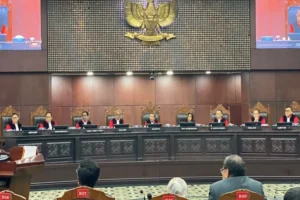
The Jakarta Regional House of Representatives (DPRD DKI Jakarta) has officially ratified the Revised Regional Budget (APBD-P) for the 2026 fiscal year, setting the total ceiling at Rp79.56 trillion. This figure represents a strategic adjustment from the initial budget allocation of Rp81.32 trillion, reflecting a contraction of approximately Rp1.76 trillion. The approval was formalized during a plenary session held on Tuesday, September 22, 2026, marking a pivotal moment in the city’s fiscal planning as it navigates the latter half of the year.
The decision to revise the budget downward is indicative of the Jakarta Provincial Government’s efforts to realign its financial trajectory with current economic realities and revenue collection performance. By optimizing expenditures, the administration aims to ensure that core public services remain uninterrupted while maintaining the sustainability of ongoing strategic infrastructure projects.
Contextualizing the Fiscal Adjustment
In municipal governance, the "APBD Perubahan" or Revised Budget is a standard mechanism employed to respond to dynamic changes in the economic landscape. These changes often stem from fluctuations in local revenue sources, such as regional taxes and levies, or unforeseen shifts in national economic indicators. The reduction from Rp81.32 trillion to Rp79.56 trillion suggests that the executive branch, in coordination with the legislature, has prioritized fiscal discipline to prevent potential deficits while ensuring that funds are allocated to the most critical sectors.
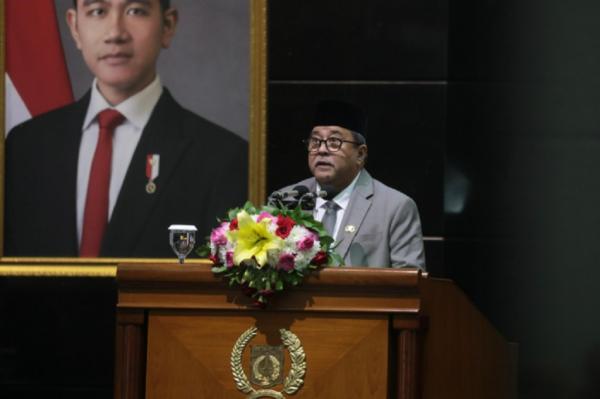
For the citizens of Jakarta, this adjustment is not merely a bookkeeping exercise but a reflection of how the city manages its post-pandemic economic recovery and long-term development goals. The administration, led by Acting Governor Rano Karno, has signaled that the revised budget is designed to stimulate economic growth, bolster social safety nets, and maintain the momentum of public infrastructure development.
The Legislative Process: A Synergy of Oversight
The ratification of the budget was the culmination of weeks of intensive deliberation between the Jakarta Provincial Government and the various factions within the DPRD. The process involved rigorous scrutiny by the Budget Committee (Banggar) of the council, which examined every line item to ensure compliance with legal frameworks and transparency standards.
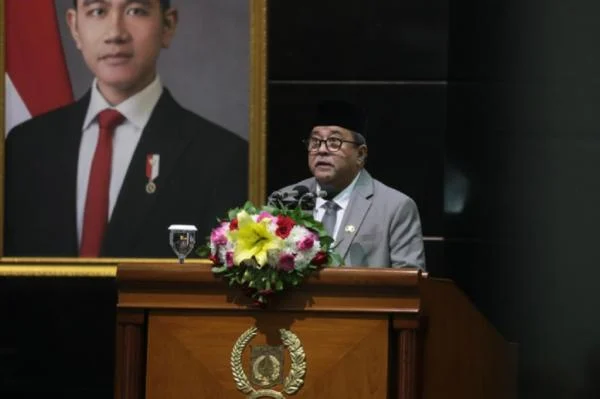
During the final plenary session, Deputy Governor Rano Karno emphasized the importance of the partnership between the executive and legislative branches. He acknowledged the constructive feedback provided by council members, noting that the recommendations gathered during the committee hearings would serve as a blueprint for the executive branch’s implementation phase in the remaining months of 2026.
"The executive remains committed to the spirit of collaboration," Rano stated during his address. "The input provided by the DPRD is essential for ensuring that our programs are not only efficient but also directly address the needs of the Jakartan populace. We view these recommendations as a guide to improving our service delivery and fiscal accountability."

Economic Implications for the Capital
Economists tracking the Jakarta budget note that a reduction in the headline figure does not necessarily signal a decline in service quality. Instead, it often points to a "right-sizing" strategy. By cutting excess or underperforming programs, the government can redirect resources toward high-impact areas such as flood mitigation, public transportation expansion, and the digital transformation of public services.
The Jakarta administration is currently balancing several massive infrastructure projects that are vital for the city’s future as a global business hub. These include the continued development of the mass rapid transit (MRT) network, the revitalization of urban spaces, and efforts to improve air quality through green initiatives. The Revised APBD 2026 is expected to provide the necessary liquidity to keep these projects on schedule, despite the overall reduction in total spending capacity.
Timeline of the 2026 Budget Cycle
The fiscal journey for 2026 began in late 2025 with the initial proposal and approval of the main APBD. The following timeline outlines the key milestones that led to the recent ratification:
- November 2025: The initial APBD for 2026 was debated and passed by the DPRD, setting the original ceiling at Rp81.32 trillion.
- April–June 2026: Mid-year performance reviews were conducted by the Jakarta Provincial Government to assess revenue collection trends and expenditure rates.
- August 2026: The executive branch submitted the draft for the Revised APBD (Ranperda Perubahan APBD) to the DPRD.
- September 2026: Intensive committee-level meetings took place to refine the budget, resulting in the final agreement on the Rp79.56 trillion figure.
- September 22, 2026: The official plenary session held at the DPRD building resulted in the final passage of the revised budget.
Strategic Priorities for the Remainder of 2026
With the revised budget now in place, the focus shifts to the implementation phase. Key sectors that are expected to benefit from the prioritized funding include:
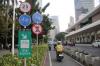
- Public Infrastructure: Maintenance and development of the city’s drainage systems to mitigate seasonal flooding, as well as the ongoing expansion of non-motorized transport lanes, including the city’s dedicated bicycle paths.
- Social Welfare: Sustained funding for the Jakarta Smart Card (KJP) and the Jakarta Health Card (KJS), which serve as critical support systems for lower-income families.
- Economic Stimulus: Targeted investments to support Small and Medium Enterprises (SMEs), which form the backbone of Jakarta’s economy.
- Digital Governance: Accelerating the "Smart City" initiative to streamline administrative processes and improve public access to government services via digital platforms.
Stakeholder Reactions and Expectations
While the DPRD has provided its stamp of approval, the council members have emphasized that they will continue to exercise their oversight function. Several factions within the DPRD have urged the executive to ensure that the budget reduction does not compromise the quality of essential services. There is a strong call for the provincial government to improve its revenue collection efficiency, particularly in sectors where tax compliance remains below target.
Public policy analysts suggest that the transparency displayed during this budget revision process is a positive sign for governance in the capital. By allowing for open debate on where to trim the budget, the DPRD and the administration have provided a degree of accountability that is crucial for maintaining public trust.
Looking Ahead
As Jakarta moves into the final quarter of 2026, the success of the Revised APBD will be measured by its tangible outcomes. The city faces significant challenges, including urban density, environmental concerns, and the need to maintain its competitive edge as a financial center. The Rp79.56 trillion budget is a carefully calculated instrument designed to navigate these challenges.
The collaboration between Rano Karno’s administration and the city’s legislature will remain under the microscope. Observers expect that the lessons learned during this fiscal year will inform the planning for the 2027 budget, which will likely begin in the coming months. For now, the city government is tasked with the immediate mandate of executing the revised programs with precision and integrity, ensuring that every Rupiah serves the objective of enhancing the quality of life for the millions who call Jakarta home.
The plenary session concluded with a sense of collective resolve, as both the executive and legislative branches expressed their commitment to seeing the 2026 fiscal year through to a successful conclusion. With the legal framework now established, the administration is expected to accelerate the disbursement of funds to ensure that all targeted programs reach completion before the end of the year, thereby setting a stable foundation for the transition into the next fiscal cycle.