Tangerang, Indonesia — A sophisticated syndicate involved in the systematic misappropriation of subsidized diesel fuel has been dismantled by the Banten Regional Police (Polda Banten) in a major operation conducted in the Salira industrial area of Serang Regency. The Directorate of Special Criminal Investigation (Ditreskrimsus) of the Banten Police confirmed the arrest of two primary suspects, identified by the initials NS and GJ, who were orchestrating a large-scale fuel-trafficking operation.
The crackdown, which took place on Thursday, September 24, 2026, marks a significant victory in the ongoing national effort to curtail the illicit trade of energy subsidies, which places a heavy burden on the Indonesian state budget.
The Anatomy of the Illegal Operation
According to the official report released by the Banten Police on Sunday, September 27, 2026, the syndicate operated with a high degree of coordination. The operation was centered at the premises of PT Yasa Mitra Karya (YAMIKA), located in the Salira village region.
The investigation revealed that the syndicate utilized heavy-duty tronton trucks to systematically "harvest" subsidized diesel fuel from various petrol stations (SPBU) along the busy Serang-Merak corridor. The modus operandi involved a multi-step process designed to obfuscate the origin and destination of the fuel.
The primary suspect, NS, acted as the financial backer, providing the capital necessary to fuel the operation. This capital was channeled to GJ, who oversaw the operational logistics. The syndicate employed several drivers who were tasked with refueling at different SPBU locations. To circumvent purchase limits, the drivers utilized individual Pertamina barcodes assigned to them, essentially turning a series of small, legal transactions into a bulk supply for the black market.
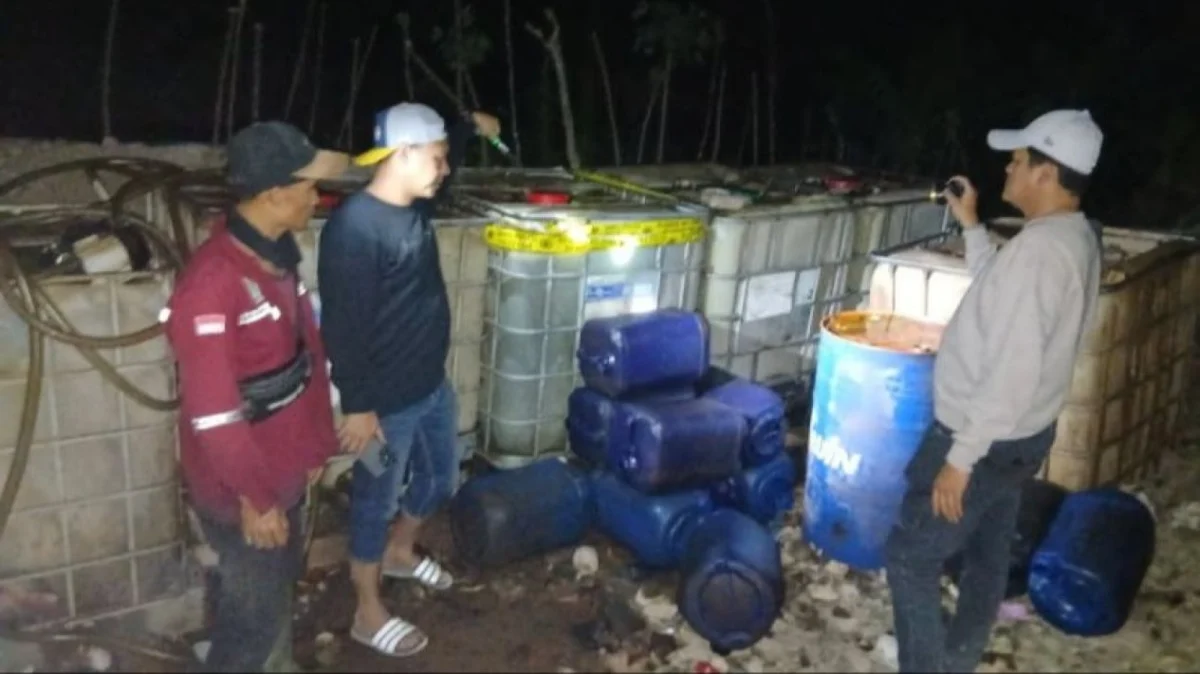
Once the trucks were filled at the stations, they would return to the PT YAMIKA facility. There, an employee identified as RH would extract the fuel from the truck tanks into 35-liter jerrycans. These small quantities were then consolidated into a large one-ton storage tank, known locally as a "kempu." This accumulated fuel was then sold at industrial rates—approximately IDR 11,000 per liter—allowing the syndicate to profit significantly from the price differential between the subsidized rate and the market industrial price.
Chronology of the Police Raid
The police investigation was not a spontaneous event but the result of weeks of surveillance. Law enforcement officials had been monitoring suspicious activity at the PT YAMIKA site following tips regarding unconventional fuel storage and transportation patterns.
- Pre-September 24: Police intelligence teams conducted covert surveillance to identify the patterns of the trucks moving between SPBU locations and the PT YAMIKA warehouse.
- September 24, 2026: The Ditreskrimsus unit executed a raid on the facility. During the operation, investigators caught the syndicate in the act of transferring fuel from trucks to the storage units.
- September 25-26, 2026: Intensive interrogations of the suspects, including the financier NS and the operational lead GJ, were conducted to establish the hierarchy and scope of the criminal enterprise.
- September 27, 2026: The Banten Police formally briefed the public on the success of the operation, confirming the detention of the suspects and the seizure of substantial evidence.
Evidence and Seizures
The scale of the operation was evidenced by the volume of equipment and fuel recovered during the raid. The Banten Police seized the following items as part of their investigative file:
- Four heavy-duty tronton trucks used for the collection and transport of the diesel.
- 1,000 liters of subsidized diesel contained within a large industrial tank (kempu).
- 22 jerrycans (35-liter capacity) filled with stolen diesel.
- Operational equipment, including electric water pumps, heavy-duty hoses, and funnels used for the rapid transfer of fuel.
Legal Implications and Penalties
The suspects are currently being processed under the strict legal framework established for energy crimes in Indonesia. They have been charged under Article 55 of Law Number 22 of 2001 concerning Oil and Gas, as amended by the Job Creation Law (UU Cipta Kerja). This statute is designed to impose heavy sanctions on parties that misappropriate, store, or sell subsidized fuel without the proper licensing, reflecting the government’s stance that fuel theft is a direct attack on the national economy.
Convictions under these laws can lead to significant prison sentences and massive fines, intended to serve as a deterrent to others involved in the underground fuel economy.
Context: The Burden of Subsidized Fuel
The issue of subsidized diesel (Solar) is a persistent challenge for the Indonesian government. Subsidies are intended to lower the cost of living and transportation for the public, particularly for small-scale farmers and fishermen. However, these subsidies are frequently exploited by industrial players who seek to lower their operating costs by purchasing cheap, regulated fuel.
According to energy analysts, the price gap between subsidized fuel and industrial fuel often creates a "rent-seeking" opportunity that attracts organized criminal groups. When large quantities of subsidized fuel are diverted to the industrial sector, it creates supply shortages at the pump, causing long queues at SPBU locations and disrupting the daily lives of the public for whom the subsidy is intended.
The Indonesian government, through the state-owned oil and gas company Pertamina, has implemented the "MyPertamina" digital system to monitor fuel purchases via barcodes. While this system has improved transparency, the case in Serang demonstrates that criminal syndicates are finding ways to circumvent these digital controls by using multiple, individual accounts to consolidate large volumes of fuel.
Official Response and Future Enforcement
Kombes Pol Maruli Ahiles Hutapea, the Head of Public Relations for the Banten Police, issued a stern warning following the arrests. "The Banten Police will continue to enforce the law against any form of subsidized fuel misappropriation," he stated. "We urge the public to use subsidized fuel only for its intended purpose. Any attempt to exploit this system for personal or corporate profit at the expense of the state and the people will be met with firm legal action."
The police are now expanding their investigation to determine if PT YAMIKA was aware of the criminal activities occurring on its premises and whether other corporate entities or supply chain participants were involved in the facilitation of this syndicate.
Broader Economic and Environmental Impacts
The implications of this case extend beyond the immediate criminal charges. Economically, the illicit diversion of fuel undermines the effectiveness of government fiscal policy. Every liter of fuel sold illegally at a profit represents a loss of state revenue that could have been used for public infrastructure or social welfare programs.
Environmentally, the storage of large quantities of fuel in non-regulated, makeshift industrial facilities like the one in Salira poses significant safety risks. The presence of pumps, hoses, and large quantities of volatile fuel in a non-certified facility increases the risk of fire, explosions, and environmental contamination in the event of a leak or spill.
As the Banten Police continue their crackdown, the case serves as a reminder of the delicate balance required to manage energy distribution in a developing economy. While enforcement is crucial, stakeholders argue that more robust monitoring of industrial fuel procurement and stricter oversight of large-scale logistics companies will be necessary to prevent future occurrences. The success of this operation in Serang is expected to trigger increased vigilance at other suspected "re-filling" hubs throughout the Banten province, signaling a shift toward a more proactive stance against fuel-related organized crime.