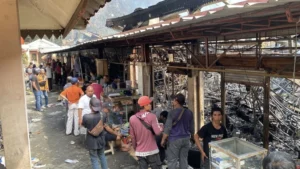
Natural disasters, ranging from devastating earthquakes and floods to catastrophic fires and landslides, occur with unpredictable frequency, challenging the limits of human preparation and infrastructure. In the Islamic tradition, while proactive measures—such as fortifying buildings, maintaining environmental integrity, and adhering to emergency protocols—are considered mandatory obligations for the preservation of life, the act of prayer (dua) is viewed as a vital spiritual complement to these physical safeguards. By invoking divine protection, believers seek to align their physical efforts with a deeper reliance on the Almighty, acknowledging the inherent limitations of human foresight in the face of nature’s volatility.
The Theological Foundation of Seeking Protection
In Islam, the concept of "Tawakkul," or reliance on God, is inextricably linked to "Ikhtiar," or human effort. Religious scholars emphasize that prayer is not intended to replace tangible safety measures but rather to sanctify them and provide psychological fortitude during times of crisis. The Prophetic tradition (Sunnah) offers numerous invocations that specifically address the hazards faced by human beings throughout history. These prayers are regarded not merely as rituals, but as practical reminders of the fragility of existence and the importance of preparedness.
One of the most comprehensive supplications taught by the Prophet Muhammad (peace be upon him) is recorded in the Sunnah of An-Nasa’i. This prayer serves as a shield against a variety of specific perils, including structural collapse, falls from heights, drowning, fire, and even the dangers posed by venomous creatures. The Arabic text is as follows:
اللَّهُمَّ إِنِّي أَعُوذُ بِكَ مِنَ الْهَدْمِ، وَأَعُوذُ بِكَ مِنَ التَّرَدِّي، وَأَعُوذُ بِكَ مِنَ الْغَرَقِ وَالْحَرَقِ، وَأَعُوذُ بِكَ أَنْ يَتَخَبَّطَنِي الشَّيْطَانُ عِنْدَ الْمَوْتِ، وَأَعُوذُ بِكَ أَنْ أَمُوتَ فِي سَبِيلِكَ مُدْبِرًا، وَأَعُوذُ بِكَ أَنْ أَمُوتَ لَدِيغًا
The transliteration is: Allahumma inni a’udzu bika minal hadmi, wa a’udzu bika minat taraddi, wa a’udzu bika minal gharqi wal haraqi, wa a’udzu bika an yatakhabbathani syaithanu ‘indal mauti, wa a’udzu bika an amuta fi sabilika mudbiran, wa a’udzu bika an amuta ladighan.
The translation conveys the depth of this plea: "O Allah, I seek refuge in You from being crushed by falling debris. I seek refuge in You from falling from a high place. I seek refuge in You from drowning and burning. I seek refuge in You from the temptations of the devil at the time of death. I seek refuge in You from dying in Your path while fleeing, and I seek refuge in You from dying from the sting of a venomous creature."
Addressing Public Health and Invisible Threats
Beyond environmental disasters, the Islamic tradition also addresses the protection of physical health. In a Hadith recorded by Abu Dawud, attributed to the companion Anas bin Malik, the Prophet Muhammad provided a supplication specifically aimed at protecting the believer from chronic and debilitating diseases. The prayer is:
اللَّهُمَّ إِنِّي أَعُوذُ بِكَ مِنَ الْبَرَصِ، وَالْجُنُونِ، وَالْجُذَامِ، وَسَيِّئِ الْأَسْقَامِ
Transliteration: Allahumma inni a’udzu bika minal barashi, wal jununi, wal judzami, wa sayyi’il asqami.
Translation: "O Allah, I seek refuge in You from vitiligo, madness, leprosy, and all other serious and incurable diseases." This prayer reflects a holistic view of human welfare, where the prevention of disease is considered as critical as the prevention of physical trauma, encouraging believers to remain vigilant regarding both their public health environment and their spiritual wellbeing.
The Symbiosis of Faith and Disaster Risk Reduction
The integration of spiritual practice into disaster management strategies has gained traction in various regions, particularly where faith-based communities form the backbone of local response. Experts in disaster risk reduction (DRR) observe that religious communities often possess high levels of social capital, which can be mobilized during crises.
However, modern discourse within the Muslim world increasingly emphasizes that faith must be coupled with rigorous scientific application. "Ikhtiar" (effort) is categorized into two forms: "Ikhtiar Lahiriah" (physical/tangible efforts) and "Ikhtiar Batiniah" (spiritual/internal efforts).
1. Ikhtiar Lahiriah (Physical Preparedness)
- Early Warning Systems: Monitoring official communications from meteorological agencies and adhering to evacuation orders immediately.
- Structural Integrity: Ensuring that homes and buildings are constructed according to seismic and safety codes, particularly in regions prone to tectonic activity.
- Infrastructure Maintenance: Clearing drainage systems to prevent flooding and managing vegetation near structures to mitigate fire risks.
- Preparedness Training: Understanding evacuation routes and maintaining emergency kits that include essential documents, medication, and non-perishable supplies.
2. Ikhtiar Batiniah (Spiritual Preparedness)
- Cultivating Mindfulness: Using prayer as a tool to remain calm under pressure, which is essential for making sound decisions during an evacuation or emergency.
- Community Support: The Islamic concept of "Zakat" (almsgiving) and "Sadaqah" (charity) is frequently directed toward assisting those who have lost their livelihoods or homes in disasters.
- Patience and Resilience: The spiritual framework provides a psychological anchor, helping individuals cope with the grief and trauma associated with losing property or loved ones.
Contextualizing Risk in the Modern Era
Statistical data from global disaster databases indicate that the frequency and intensity of natural disasters are increasing, partly due to climate change and rapid, often unplanned, urbanization. For example, in Indonesia—an archipelago situated on the "Ring of Fire"—seismic and volcanic events are recurring realities. The reliance on traditional, faith-based coping mechanisms has historical roots that date back centuries, providing a cultural continuity that helps communities survive repeated shocks.
When a community faces a threat, such as an impending drought or seasonal flooding, religious leaders often organize collective prayers (such as Shalat Istisqa for rain or Qunut Nazilah for protection against calamity). These gatherings serve a dual purpose: they provide a sense of communal solidarity and ensure that the community is collectively aware of the impending danger. By normalizing the discussion of these risks within a religious context, leaders can effectively disseminate safety information to demographics that might otherwise be skeptical of government-led secular warnings.
Analysis: The Psychological Impact of Faith-Based Resilience
Sociological studies into the resilience of faith-based populations suggest that individuals who engage in spiritual practices report lower levels of post-traumatic stress disorder (PTSD) following large-scale disasters. The belief in a divine plan provides a narrative structure to chaotic events, allowing survivors to transition from a state of shock to a state of reconstruction more efficiently.
However, researchers caution against "fatalism"—the belief that if a disaster is preordained, human intervention is useless. Mainstream Islamic theology rejects this, maintaining that while the ultimate outcome is in the hands of the Creator, the responsibility for individual and communal safety is placed squarely on the shoulders of the believer. The Prophet Muhammad’s own example, such as the strategy he employed during the Migration (Hijrah) or the defense of Medina (the Trench), illustrates that spiritual conviction was always accompanied by meticulous planning, reconnaissance, and defensive engineering.
Institutional Responses and Future Implications
Governments and NGOs are increasingly recognizing the value of partnering with religious institutions to reach vulnerable populations. By incorporating disaster risk education into sermons and religious study circles, authorities can bridge the gap between technical disaster terminology and community-level understanding.
For instance, if a religious leader explains that "taking precautions is a form of worshipping God," the adoption rate of safety measures such as fire drills or the strengthening of housing foundations increases significantly. This alignment of scientific necessity with religious imperative creates a more resilient society capable of weathering the inevitable challenges posed by an unpredictable natural environment.
Conclusion: A Holistic Approach to Survival
In conclusion, the practice of reciting prayers for protection is a fundamental component of the Muslim identity in times of uncertainty. It serves as a spiritual anchor that complements, rather than supplants, the essential physical actions required to navigate natural disasters. By balancing the "Ikhtiar Lahiriah"—the physical act of building, planning, and reacting—with "Ikhtiar Batiniah"—the spiritual act of prayer and reliance—individuals and communities can build a comprehensive defense against the perils of the natural world.
The synthesis of these two approaches represents a sophisticated model of disaster resilience. It acknowledges that while humanity may never be able to fully prevent the occurrence of earthquakes, floods, or fires, it possesses the capacity to significantly mitigate their impact through a combination of scientific preparedness and the steadfast spiritual resolve found in ancient, time-tested supplications. As the global climate continues to shift, the integration of these spiritual and physical strategies remains more relevant than ever for the safety and preservation of humanity.