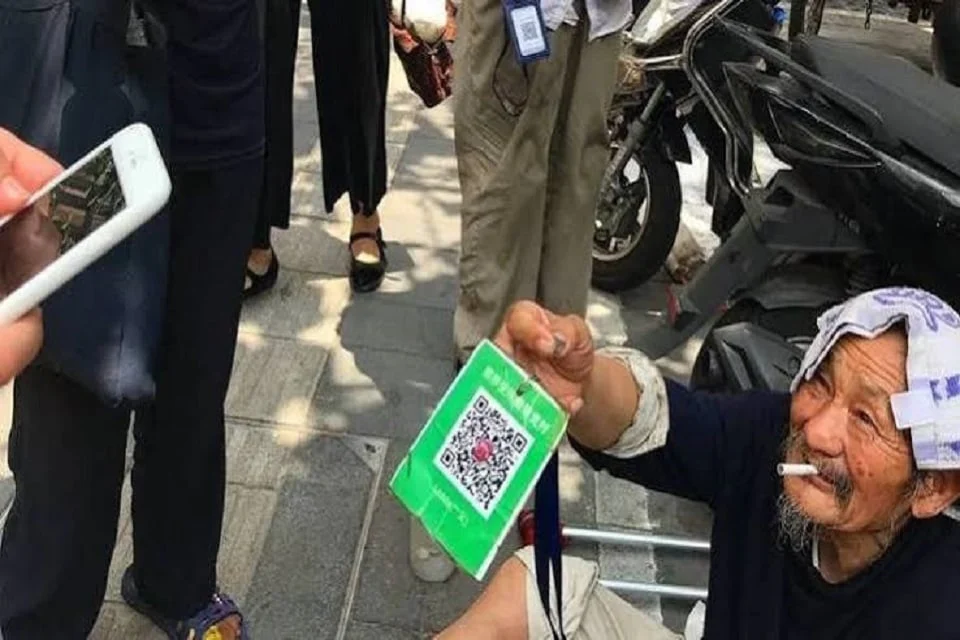
The landscape of begging has undergone a profound transformation in the modern era, shifting from traditional roadside solicitation to technologically integrated methods, such as the use of digital QR codes for electronic transfers. While the core premise of asking for charity remains unchanged, the methods, presentation, and scale of contemporary begging operations have evolved alongside rapid urbanization and digital financial inclusion. This phenomenon raises critical questions regarding socioeconomic pressures, the integrity of philanthropic efforts, and the strict moral and religious boundaries governing charity, particularly within Islamic jurisprudence.
The Modern Metamorphosis of Begging
Traditionally perceived as a desperate resort for the destitute—often characterized by threadbare clothing and overt physical vulnerability—the modern practice of begging frequently defies these stereotypes. In many urban centers, individuals who rely on solicitation as a primary source of income have adopted professionalized approaches. Some operate with neat appearances, wearing well-maintained clothing and utilizing reliable personal transportation to navigate between lucrative locations.
Furthermore, the proliferation of digital financial services has introduced new frontiers for panhandling. Rather than relying solely on physical cash dropped into a cup or box, some modern solicitors present printed digital barcodes, allowing donors to transfer funds instantly via mobile payment applications. This adaptation mirrors the broader societal shift toward a cashless economy, demonstrating that informal sectors are quick to adopt technological efficiencies.
Compounding this evolution is the emergence of organized syndicates operating under the guise of charitable fundraising. These groups frequently draft formal proposals for purported community activities, religious events, or humanitarian causes, exploiting the natural generosity of the public. In many documented cases, the funds collected through these organized efforts are diverted away from their stated philanthropic objectives, instead enriching individuals and private networks. This blurs the line between legitimate grassroots fundraising and fraudulent exploitation, complicating the efforts of regulatory bodies and genuine charitable organizations.
Defining Tasawwul: The Islamic Framework on Asking
To understand the societal implications of these trends, religious scholars and jurists often examine the phenomenon through traditional legal and ethical lenses. In Islamic teachings, the practice of asking others for money or property is broadly categorized under the term tasawwul.
According to lexicographical sources such as Al-Mu’jamul Wasith, tasawwul denotes the act of soliciting or requesting provisions from others. Classical and contemporary scholars, including the esteemed 15th-century jurist Al-Hafizh Ibnu Hajar, have defined the practice specifically within the context of motivation: requesting another person’s wealth not for a legitimate religious necessity or collective public welfare, but strictly for personal accumulation or convenience.
Islamic scholarship distinguishes between genuine necessity and habitual solicitation. While Islam mandates care for the truly impoverished and establishes institutionalized charity through mechanisms like Zakat, it simultaneously discourages dependency and deceit. The fundamental boundary established by jurists is that seeking assistance is permissible only under conditions of absolute, verifiable hardship, whereas utilizing mendicancy as a profession or livelihood strategy is strongly censured.
Theological Warnings and Moral Implications
Islamic texts feature explicit warnings against the habit of unnecessary or deceptive begging. Religious authorities frequently reference foundational traditions, or hadiths, attributed to Prophet Muhammad to underscore the spiritual and moral dangers of relying on public charity when one is capable of self-sufficiency.
In a well-documented narration transmitted by Abdullah bin Umar, the Prophet warned that a person who continually asks others for wealth without genuine necessity will ultimately face severe spiritual consequences on the Day of Judgment, appearing before the divine tribunal devoid of facial flesh—a metaphorical representation of profound humiliation and loss of dignity resulting from unearned dependency. A similar warning is recorded from Abu Hurairah, emphasizing that habitual begging erodes personal integrity and self-respect.
These theological positions underscore a broader ethical principle: human dignity is closely tied to self-reliance and honest labor. When individuals resort to fabrication—such as falsely claiming acute financial distress, fabricated medical emergencies, or fictional educational debts—to extract sympathy and money from the public, they violate trust and undermine the credibility of authentic social safety nets.
Socioeconomic Drivers and Public Policy Challenges
The persistence and evolution of professional begging point to deeper structural challenges within developing urban economies. Factors such as income inequality, high underemployment, rapid migration from rural to urban areas, and gaps in formal social protection systems often push vulnerable populations toward informal survival strategies. Conversely, the high profitability of organized begging syndicates suggests that criminal exploitation and weak law enforcement also play significant roles in perpetuating the cycle.
Sociologists and public policy experts note that modern begging presents unique regulatory hurdles. Traditional municipal policies designed to manage street begging—such as routine sweeps, administrative fines, or temporary detentions—often fail to address the root causes or adapt to sophisticated methods like digital QR code solicitation and network-based fundraising fraud.
Moreover, the rise of digital and organized panhandling complicates public goodwill. When citizens become suspicious of digital barcodes or professionalized solicitors, genuine charitable giving can decline, inadvertently harming legitimate welfare programs and impoverished individuals who truly require community support.
Institutional Responses and Recommendations
Addressing the multifaceted challenges posed by modern begging requires a coordinated strategy involving municipal governments, religious institutions, law enforcement, and digital platform providers.
- Public Awareness and Financial Literacy: Authorities and religious leaders continuously urge the public to channel their charitable contributions through accredited, transparent institutions—such as officially registered NGOs, religious endowments, and recognized Zakat agencies—rather than giving directly to unverified solicitors on streets or digital platforms.
- Regulatory Oversight of Digital Transactions: As informal actors adopt digital payment methods, financial authorities face the challenge of monitoring peer-to-peer accounts used for fraudulent or deceptive fundraising activities without undermining legitimate micro-transactions.
- Social Rehabilitation Programs: Law enforcement and social services emphasize that punitive measures alone are insufficient. Comprehensive rehabilitation programs focused on skills training, job placement, and psychological support are necessary to reintegrate chronic solicitors into the formal workforce.
Ultimately, the transformation of begging into a tech-enabled, professionalized practice reflects a changing world where ethical boundaries are continuously tested. Balancing compassion for the genuinely needy with rigorous protection against exploitation remains an ongoing challenge for modern society and religious institutions alike.