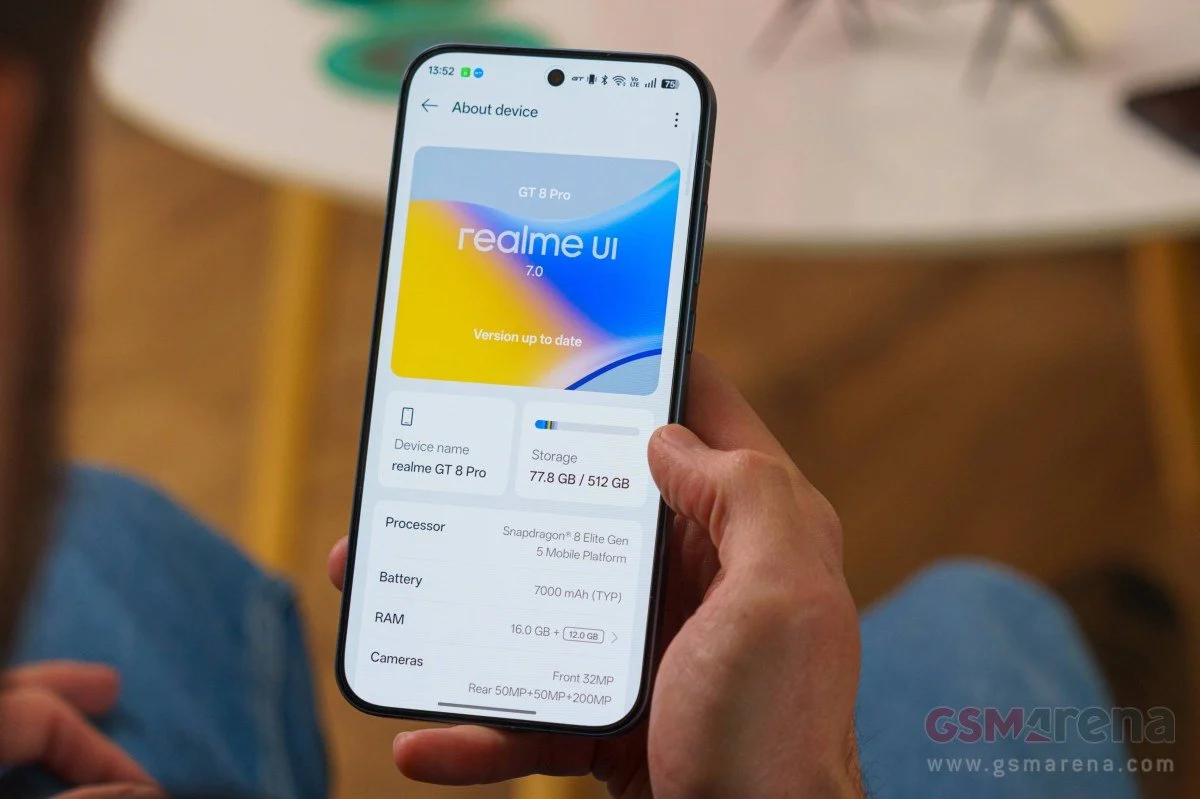
realme India has officially announced that all eligible realme smartphones will transition to ColorOS 17, the Android-based user interface (UI) developed by OPPO. This significant strategic shift, revealed through realme India’s official community forum in mid-July 2026, marks a pivotal moment in the software integration strategy within the broader OPPO Group ecosystem. The transition is slated to commence with a beta program, paving the way for a stable public release for users across India. This move sees ColorOS 17 directly replacing realme UI as the primary interface system on compatible devices, aiming to foster a more consistent software experience, expedite the distribution of operating system updates, and strengthen feature integration across the diverse portfolio of OPPO Group devices.
The Strategic Imperative: Unifying the Ecosystem
The decision to adopt ColorOS 17 underscores a deliberate push by the OPPO Group towards greater unification and efficiency in its software development efforts. For years, realme UI, along with OnePlus’s OxygenOS, has operated as distinct entities, each carving out a unique identity and user experience within the Android landscape. However, beneath the surface, realme UI and ColorOS have always shared a common underlying code foundation, a legacy of their shared lineage within the OPPO Group. This inherent architectural commonality has now matured into a strategic advantage, allowing for a more streamlined approach to software development and deployment.
The primary motivations behind this consolidation are multifaceted. Firstly, by standardizing on a single UI, OPPO Group can allocate its extensive research and development resources more efficiently. Instead of maintaining and updating multiple parallel UIs, a unified team can focus on enhancing ColorOS, ensuring a richer feature set, superior performance optimizations, and robust security protocols for a wider array of devices. Secondly, this integration is expected to significantly accelerate the rollout of Android security patches and major OS upgrades. With a singular code base, new features and critical updates can be developed, tested, and deployed across multiple brands simultaneously, reducing fragmentation and ensuring users receive the latest software innovations promptly. Thirdly, the move aims to cultivate a more cohesive and interconnected ecosystem. As smart devices proliferate, a consistent UI across smartphones, tablets, wearables, and other IoT devices becomes crucial for a seamless user experience, enhancing brand loyalty and reinforcing the value proposition of the entire OPPO Group ecosystem.
ColorOS 17: A Deeper Dive into the New OS
ColorOS 17, as described by realme, is built upon the latest generation of Android, with a pronounced emphasis on elevating core performance metrics, optimizing power efficiency, bolstering security infrastructure, and deeply integrating artificial intelligence (AI) capabilities. Users transitioning to ColorOS 17 can anticipate a suite of enhancements designed to refine daily smartphone interactions. These include meticulously refined interface animations, promising a smoother and more fluid visual experience; advanced multitasking management features, enabling more intuitive and efficient switching between applications; sophisticated battery consumption optimization algorithms, extending device longevity on a single charge; and enhanced user privacy protection mechanisms, offering greater control over personal data.
Beyond these fundamental improvements, ColorOS 17 significantly expands the utilization of AI across various aspects of smartphone usage. AI-driven resource management will intelligently allocate system resources to optimize performance for frequently used applications, ensuring responsiveness and minimizing lag. Computational photography capabilities will see advancements, with AI algorithms enhancing image quality, clarity, and detail in diverse shooting conditions. Furthermore, ColorOS 17 is set to introduce a range of AI-powered productivity functions integrated directly into native applications, offering smart suggestions, automated task management, and personalized user assistance to streamline workflows and boost efficiency. This deep integration of AI aims to make the smartphone a more intelligent and proactive companion, anticipating user needs and simplifying complex tasks.
A Chronology of Integration within OPPO Group
The adoption of ColorOS 17 by realme is not an isolated event but rather the latest chapter in a deliberate, multi-year strategy of software convergence within the OPPO Group. The trajectory towards this unified platform has been evident for some time. Historically, realme UI emerged as a lighter, more performance-oriented alternative to ColorOS, initially catering to a younger, tech-savvy demographic that valued speed and a clean aesthetic. While sharing a foundational Android layer with ColorOS, realme UI maintained distinct visual elements, proprietary features, and a unique update cadence.
The most prominent precursor to realme’s current move was the announcement by OnePlus, another key brand under the OPPO Group umbrella. OnePlus, renowned for its "Never Settle" ethos and its beloved OxygenOS, declared its intention to adopt ColorOS 17 as a replacement for its proprietary UI on eligible devices. This decision, which likely preceded realme’s announcement or occurred concurrently, signaled a major restructuring of software development within the group. For years, OnePlus and OPPO had been gradually integrating their R&D teams, a process that culminated in a deeper strategic merger aimed at leveraging shared resources and expertise. The shift from OxygenOS to ColorOS on OnePlus devices, and now from realme UI to ColorOS on realme devices, represents the culmination of this integration, creating a common software backbone for the group’s diverse smartphone portfolio. This strategy is reminiscent of how other tech giants manage their product lines, aiming for efficiency and coherence across their offerings while allowing for brand-specific customizations on top of a shared platform.
Official Stance and User Assurance
In its announcement, realme unequivocally affirmed that this transition does not signify an abandonment of its brand identity or a dilution of its commitment to its user base. The company explicitly stated that software support, security updates, and post-sales services will continue to adhere to the established policies for each specific smartphone model. This reassurance is crucial for realme, a brand that has cultivated a strong following due to its value proposition and user-centric approach. The company understands that retaining user trust during such a significant change is paramount.
For existing realme users, the migration to ColorOS 17 is anticipated to be a largely seamless process. realme has confirmed that the update will not compromise application compatibility or access to Google services, which are fundamental to the Android experience. On the contrary, users are expected to benefit from a fresh interface boasting a more modern design aesthetic, coupled with a host of additional features that were previously exclusive to OPPO devices. These could include advanced customization options, new privacy controls, or productivity tools that have been refined over multiple iterations of ColorOS.
The migration itself will be meticulously managed. realme has outlined a phased approach, commencing with a beta program to meticulously test the system’s stability and gather extensive user feedback before a broader release. Eligible devices will receive the update via an over-the-air (OTA) mechanism, ensuring a convenient and straightforward installation process for users, eliminating the need for manual flashing or complex procedures. This iterative deployment strategy is designed to minimize potential issues and ensure a smooth transition for the vast realme user base.
Industry Reactions and Expert Analysis
The consolidation of software platforms within the OPPO Group, particularly with realme and OnePlus adopting ColorOS, has garnered significant attention from industry analysts. "This move by realme, following OnePlus, is a clear strategic play by OPPO Group to streamline operations and enhance its competitive edge," noted a prominent technology analyst, speaking on background. "By unifying their software efforts under ColorOS, they are not only improving R&D efficiency but also building a more robust, integrated ecosystem that can rival industry giants like Samsung’s One UI and Xiaomi’s HyperOS. It’s about leveraging shared resources to innovate faster and deliver a more consistent, high-quality experience across their diverse brands."
Analysts suggest that this integration could lead to several positive outcomes. From a development perspective, it allows for a concentrated effort on a single, powerful UI, potentially leading to more polished features and fewer bugs. From a user perspective, it means faster access to the latest Android versions and security patches, a common pain point for many Android users due to OEM fragmentation. Furthermore, a unified software platform could facilitate deeper integration with OPPO’s burgeoning ecosystem of smart devices, creating a more cohesive and interconnected user journey. However, some analysts also caution that brands like realme and OnePlus must work diligently to retain their unique brand identities, even with a shared software base, to avoid alienating long-time users who appreciated their distinct approaches. The challenge lies in providing a consistent core experience while allowing for brand-specific customizations and services that differentiate each product line.
The India Focus: A Strategic Launchpad
Crucially, realme has, as of this announcement, only confirmed the implementation of ColorOS 17 for the Indian market. The company has yet to provide official timelines or lists of eligible devices for other regions, including the strategically vital Southeast Asian market. This India-first approach is highly strategic and reflects the country’s immense importance to realme’s global operations.
India represents one of realme’s largest and most dynamic markets worldwide, boasting a colossal user base that spans various demographics. This makes India an ideal proving ground for significant software transitions and the initial deployment of new features. By launching the beta and initial stable release in India, realme can harness a vast pool of real-world user feedback on a grand scale. This invaluable data will enable the company to identify and rectify any unforeseen issues, fine-tune performance, and ensure the stability and user-friendliness of ColorOS 17 before a wider global rollout. The insights gleaned from the Indian market will be instrumental in optimizing the update process and tailoring the software experience for diverse international audiences, solidifying realme’s commitment to delivering a polished and reliable product.
Looking Ahead: Global Rollout and Future Prospects
While the immediate focus remains on India, the broader implications for realme’s global user base are significant. Users outside India are now awaiting official communication from realme in their respective countries regarding the transition to ColorOS 17. The phased rollout strategy, beginning with a major market, suggests a deliberate and cautious approach to ensure a smooth global transition.
This strategic pivot towards a shared software platform signifies a maturation of the OPPO Group’s vision. It moves beyond mere brand differentiation to emphasize synergistic development and ecosystem integration. The aim is to create a powerful, unified software foundation that supports multiple brands, each with its unique hardware and market positioning, while benefiting from collective innovation and efficiency. This approach is expected to not only accelerate the pace of innovation but also enhance the overall user experience by providing a consistent, feature-rich, and secure software environment across a wide range of devices.
The transition to ColorOS 17 for realme smartphones is more than just a UI change; it represents a fundamental shift in the OPPO Group’s software development paradigm. By prioritizing a common platform, the company aims to foster faster innovation, improve development efficiency, and deliver a more consistent user experience across its diverse brand portfolio. This strategy, while maintaining the distinct characteristics of each product through unique hardware, branding, and tailored services, is set to redefine the software landscape for realme users and strengthen OPPO Group’s position in the fiercely competitive global smartphone market.